
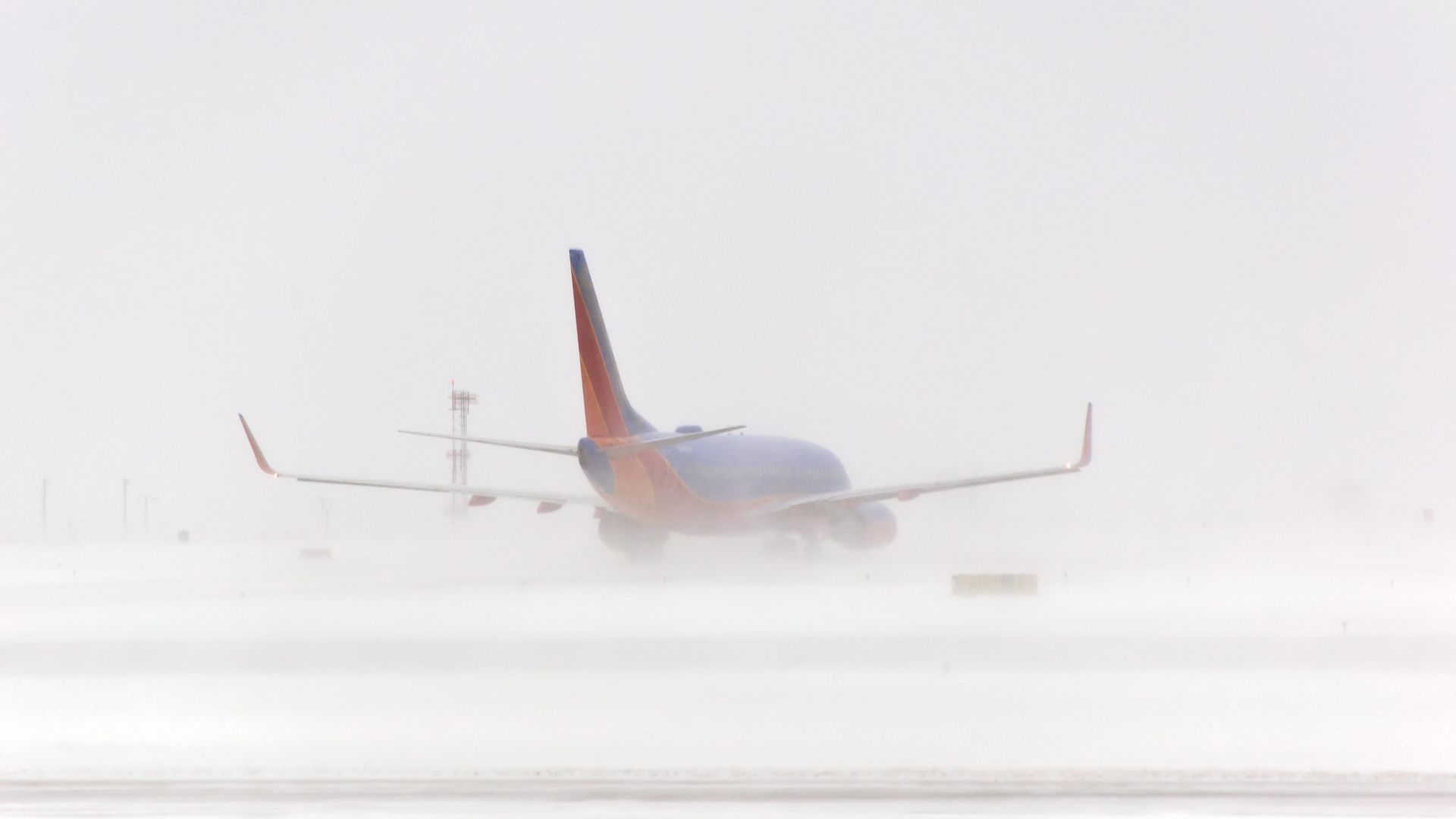
A powerful winter storm swept through much of the United States over the weekend, leading to the cancellation of nearly 20,000 flights and leaving over one million people without power. The storm, named Winter Storm Fern, resulted in at least 25 fatalities and widespread disruption across the country. The Department of Transportation (DOT) anticipates that flight operations will return to normal by midweek as recovery efforts continue.
The chaos began on Sunday with more than 5,000 flight delays and an additional 4,500 cancellations on Monday. Major airlines, including American Airlines and JetBlue, reported significant disruptions, with the latter cancelling nearly half of its scheduled flights. This storm marked the most extensive disruption to air travel since the onset of the COVID-19 pandemic, when nearly half of all scheduled departures were cancelled on March 30, 2020.
Impact of the Storm on Air Travel and Safety
The storm brought as much as 2.5 feet (76 cm) of snow to the Eastern United States, affecting more than a dozen states. While the storm did not result in any emergencies involving commercial aircraft, a private flight operating a Bombardier Challenger 650 tragically crashed at Bangor International Airport (BGR) in Maine on Sunday. The Federal Aviation Administration (FAA) announced it will conduct an investigation in collaboration with the National Transportation Safety Bureau (NTSB). According to Bangor Airport police Sergeant Jeremy Brock, all aboard the flight, which had between 9 and 11 passengers, are presumed deceased.
Despite the severe weather, major airports managed to maintain power thanks to resilient infrastructure. However, Ronald Reagan Washington National Airport (DCA) effectively closed on Sunday, with all departing flights cancelled. Similarly, LaGuardia Airport (LGA) grounded approximately 90% of its scheduled flights, while Baltimore Washington International Airport (BWI) and Raleigh-Durham International Airport (RDU) experienced cancellation rates of around 90%.
Widespread Power Outages and Ongoing Weather Challenges
The storm’s impact extended beyond air travel, with widespread power outages affecting states from East Texas to Georgia. Many residents are still without power, as the infrastructure in these areas is not accustomed to such heavy snowfall. The National Weather Service (NWS) has warned of continued frigid temperatures and heavy snowfall in the Northeast through the week, complicating recovery efforts.
Airlines and airports typically employ various strategies to manage winter weather, including activating Emergency Operations Centers (EOCs) to coordinate snow removal. To alleviate terminal congestion, major carriers waived change and cancellation fees, encouraging passengers to rebook. However, the scale of this storm overwhelmed many airport operations. De-icing procedures, crucial for safe departures, became time-sensitive, as aircraft must be clear of all snow and ice before takeoff. If a plane cannot take off within approximately 15 minutes of de-icing, it must undergo the procedure again, further complicating operations.
Flying in adverse winter conditions poses numerous challenges. Ice or frost on aircraft surfaces can severely disrupt airflow, reducing lift and increasing drag, which may prevent takeoff. Heavy snowfall can also reduce visibility, creating significant hazards for pilots during landing and takeoff.
As the nation continues to recover from the effects of Winter Storm Fern, both the DOT and airlines remain focused on restoring normal flight operations and addressing the ongoing challenges posed by the severe weather.