
As 2025 comes to a close, several key political trends have emerged in the United States, shaping the landscape ahead. The year was marked by significant developments that highlighted the changing dynamics within both major political parties, particularly in light of President Donald Trump‘s influence and the growing discontent among voters.
Trump’s Political Landscape Shifts
In the early months of 2025, President Trump operated with remarkable efficiency, rapidly consolidating power while challenging established institutions such as mainstream media and prestigious universities. This approach created an atmosphere where dissent seemed increasingly risky. However, as the year progressed, cracks began to appear in Trump’s political armor. By summer, he faced notable opposition from within his own party on critical issues, including military actions in Iran and the release of the Epstein files. Among his unexpected critics was Rep. Marjorie Taylor Greene, who had previously been a staunch supporter.
Public sentiment also shifted significantly this year, as millions of Americans expressed discontent over economic issues such as cuts to the DOGE cryptocurrency, strict immigration policies, and rising prices due to “reciprocal” tariffs affecting everyday items like bourbon and coffee. The mounting financial strain contributed to a sense of political fatigue, making it clear that high costs can diminish political enthusiasm.
Democrats Regain Momentum
The affordability crisis, coupled with rising unemployment, became central to the political discourse in 2025. Trump’s dismissal of these economic challenges as imaginary alienated many voters, who began to trust their grocery bills over presidential proclamations. In response, the Democratic Party recognized the importance of economic issues in elections, which proved pivotal during the autumn government shutdown. This shutdown focused on the impending expiration of Affordable Care Act subsidies and the potential rise in health insurance costs, resonating with American voters.
As a result, Democrats performed better than expected in the November off-year elections, suggesting a rebounding confidence in their ability to address economic concerns. Events such as Trump’s unsuccessful attempts to cancel Jimmy Kimmel‘s television show and the “No Kings” protests contributed to a growing belief that Trump’s political dominance might be waning.
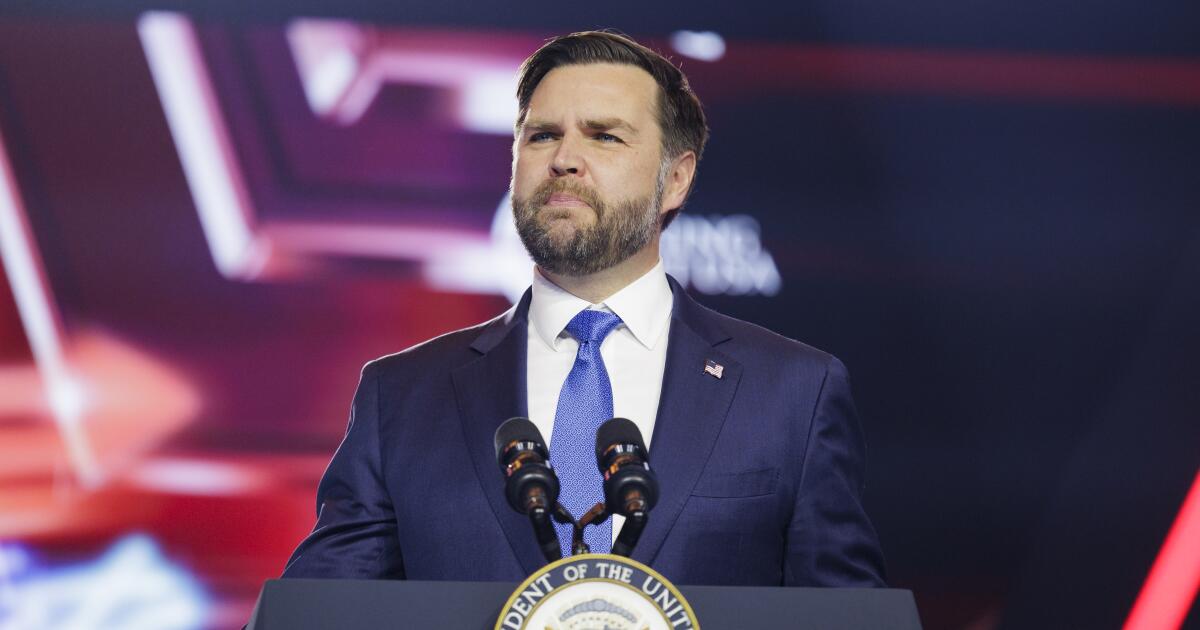
By the end of the year, it became evident that Republicans were also reassessing their allegiance to Trump. Many began to view him as a “lame duck” president, with attention shifting towards potential successors. JD Vance emerged as a frontrunner for the Republican nomination, a sentiment echoed in a Vanity Fair interview featuring Trump’s Chief of Staff Susie Wiles, where Marco Rubio stated he would not run for president in 2028 if Vance pursued the candidacy.
Challenges Ahead for Vance
Despite Vance’s rising prominence, he faces a complex political environment. The tragic murder of activist Charlie Kirk in September left a leadership vacuum on the right, allowing more extreme factions to gain traction. Influential voices within this group, including white nationalist Nick Fuentes, have openly criticized Vance for his marriage to an Indian American woman, creating a challenging dynamic for him as he seeks to solidify his position.
Vance will need to navigate these pressures carefully, potentially intensifying his anti-immigrant rhetoric to align with the expectations of the far-right faction. While this may mirror Trump’s strategies during his presidency, Vance’s unique background complicates this approach.
Overall, 2025 has been a year of transition rather than triumph. Trump’s influence appears to be diminishing, while potential successors are beginning to emerge. Voters have made it clear that economic realities cannot be ignored, regardless of political narratives. As the new year approaches, uncertainty remains about what challenges lie ahead, reminding us of the unpredictable nature of political landscapes.
In summary, as we reflect on the key trends of 2025, the landscape of American politics is shifting, and the coming years will likely bring further developments that could reshape the future.