
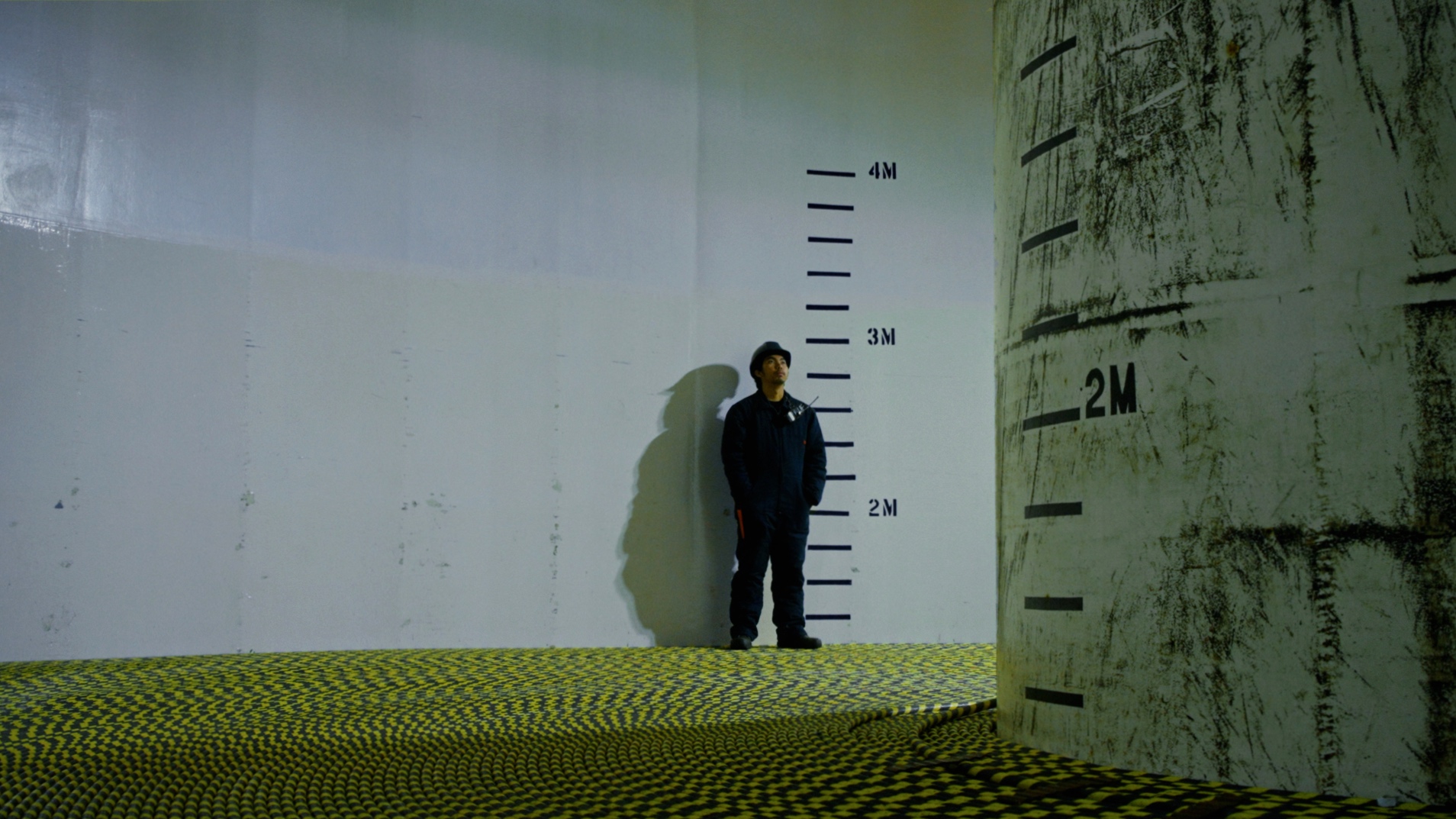
A groundbreaking documentary titled Arctic Link is set to premiere on March 16, 2024, during the CPH:DOX, the Copenhagen International Documentary Film Festival. Directed by Ian Purnell, the film explores the monumental task of connecting remote Alaskan communities to the internet, showcasing both the technological scale and the human stories intertwined with this digital transformation.
The film’s synopsis reveals a striking image: “In the Arctic Ocean, a colossal ship drifts along, while thousands of kilometers of fiber optic cable slide from the deck into the dark depths of the sea.” Purnell spent a decade researching and filming Arctic Link, emphasizing the film’s epic nature. According to the festival’s website, “Everything is enormous – from the massive cables to the images and phenomenal sound design – but the human scale never disappears from view.”
In the documentary, the crew’s Filipino members experience isolation, relying on their cell phones as their only link to family and friends. Purnell reflects on his inspiration, stating, “When I first discovered a map of the world’s submarine cables, the internet suddenly took on a physical shape.” He aimed to explore the unseen infrastructure that connects people globally, focusing on emotional connections rather than solely technological aspects.
Challenges and Discoveries from the Journey
The film’s production faced numerous challenges, including establishing relationships with shipping companies and gaining access to the vessels involved in laying submarine cables. Purnell recalls, “It turned out to be a very difficult exercise to build relationships with these companies and for them to have a reason to take me on.” The journey was fraught with delays caused by storms, COVID-19, and other unforeseen events.
Despite these setbacks, Purnell and cinematographer Marie Zahir maintained flexibility. The remote filming location presented unique challenges, particularly in building rapport with local communities. Purnell emphasized the importance of being present and forming connections with the islanders, noting their insightful perspective on the impending changes brought by the internet. “They weren’t innocent. They knew what it was and would bring, but they also could see it from an outside perspective,” he stated.
Conversations about the internet emerged organically as the crew arrived on the island, demonstrating a natural awareness among locals about the ship’s role in delivering connectivity. Purnell expressed satisfaction that the topic flowed naturally, without the need to impose his narrative.
A New Perspective on the Internet
Purnell also aimed to present the internet’s physicality in a captivating way. He rejected conventional imagery of servers and keyboards in favor of innovative visual storytelling. He described the aesthetic as a blend of old and new, with the ship, built in the 1980s, embodying a “steampunk” quality contrasted with high-tech imagery.
In discussions with Zahir, they approached the film’s visuals with a unique perspective, likening the cable to a living creature, such as a snake. Purnell explained, “We were often talking about what kind of animal something could be, such as a whale or a monkey.” This creative direction aimed to establish an emotional connection with the infrastructure rather than a purely technical understanding.
Creating a film about something inherently invisible posed significant challenges. Purnell indicated that the project not only aimed to visualize the internet but also to highlight the myriad stories surrounding its infrastructure. “Different people who have a connection to it have to use their own imagination, so that creates a multitude of stories,” he remarked.
As Purnell looks to the future, he has already begun exploring new topics, including astronomy and black holes, intrigued by concepts that are difficult to visualize. He intends to maintain a similar approach to storytelling, whether focusing on the internet or the cosmos.
With its world premiere at CPH:DOX, Arctic Link promises to deliver a compelling narrative about the digital age’s impact on remote communities, combining breathtaking visuals with profound human experiences.