
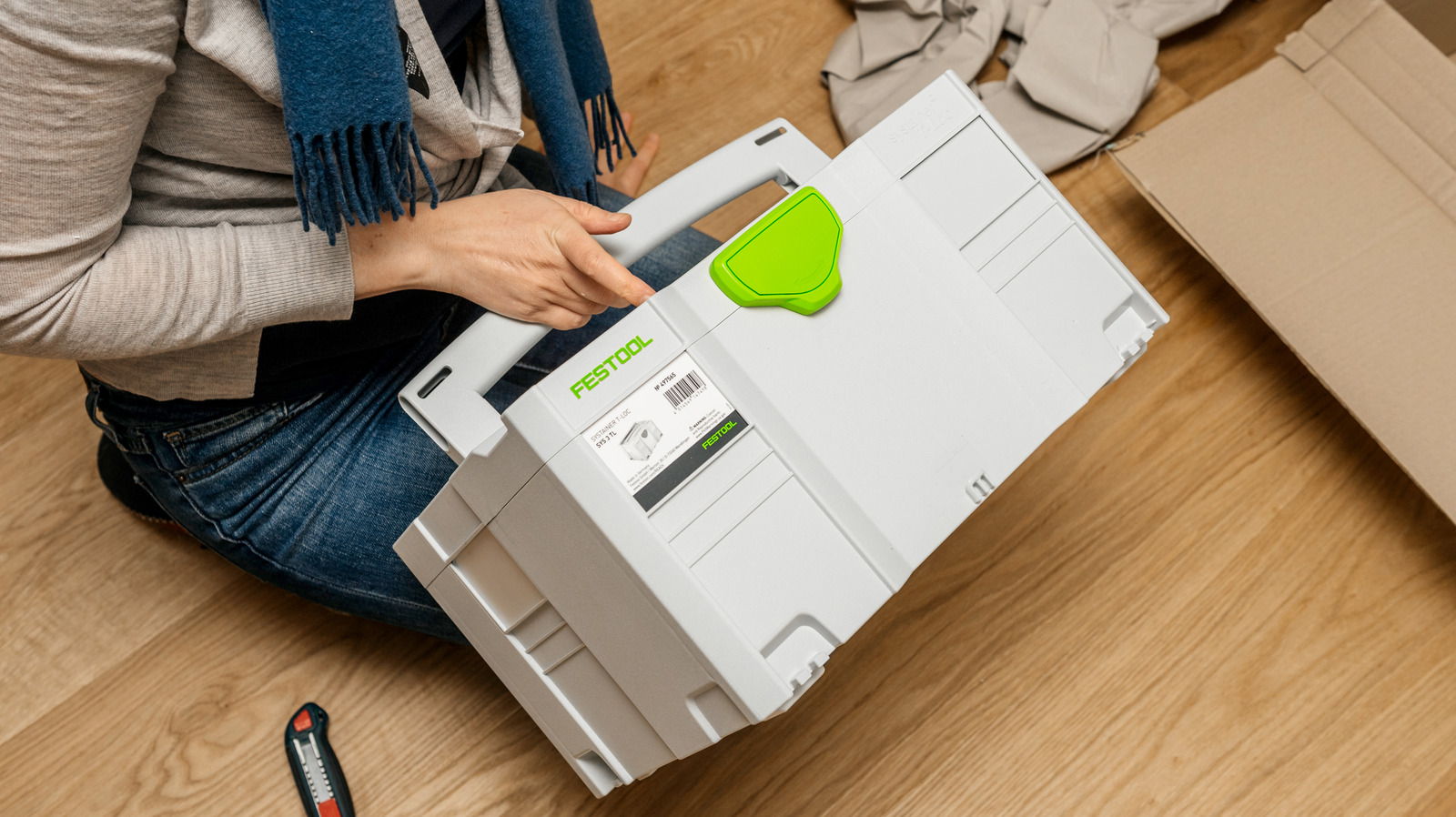
Festool, a prominent German power tool manufacturer, is distinguished by its commitment to producing approximately 80% of its tools in Germany. This approach contrasts sharply with many brands that rely on complex global supply chains. Established in the 1920s by founders Albert Fezer and Gottlieb Stoll, Festool has evolved significantly while maintaining its manufacturing roots in its home country.
The company began as Fezer & Stoll, later shortening its name to Festo and becoming Festo Tooltechnic in 1992. In 2000, it adopted the name Festool. Despite these branding changes, the core values and manufacturing ethos have remained consistent. Today, Festool operates under the umbrella of TTS Tooltechnic Systems and remains a family-owned business headquartered in Wendlingen, Germany, the same region where it was founded.
Manufacturing Excellence in Germany
Festool’s headquarters in Wendlingen serves as the center for research and development, logistics, and quality assurance. The company also operates two main production facilities in the Baden-Württemberg district: Neidlingen and Weilheim an der Teck. Neidlingen is noteworthy, having received multiple accolades as “Factory of the Year.” The modern facility in Weilheim an der Teck spans 10,000 square meters and plays a crucial role in the company’s production capabilities.
Another facility located in Illertissen, in Swabian Bavaria, specializes in the development and manufacturing of mobile dust extractors, further diversifying Festool’s product lineup. The company also maintains a manufacturing presence in the Czech Republic at its factory in Česká Lípa, which focuses on large-volume production while adhering to the same rigorous standards applied in Germany.
Global Reach and Local Commitment
Additionally, Festool has expanded its manufacturing operations to the United States. The company’s US headquarters is located in Lebanon, Indiana, where it produces guide rails for routers, track saws, and jigsaws. This strategic decision not only enhances the brand’s global reach but also demonstrates its commitment to maintaining high-quality production across multiple locations.
As consumers increasingly prioritize brand transparency and quality, Festool’s manufacturing approach positions it favorably in a competitive market. The company’s dedication to producing a significant portion of its tools in Germany is a notable exception in an industry often characterized by outsourced production.
In a landscape where tool branding and manufacturing can be convoluted, Festool offers a clear narrative. With a rich history dating back to the 1920s and a commitment to quality manufacturing, the company remains a trusted name among professionals and DIY enthusiasts alike.