
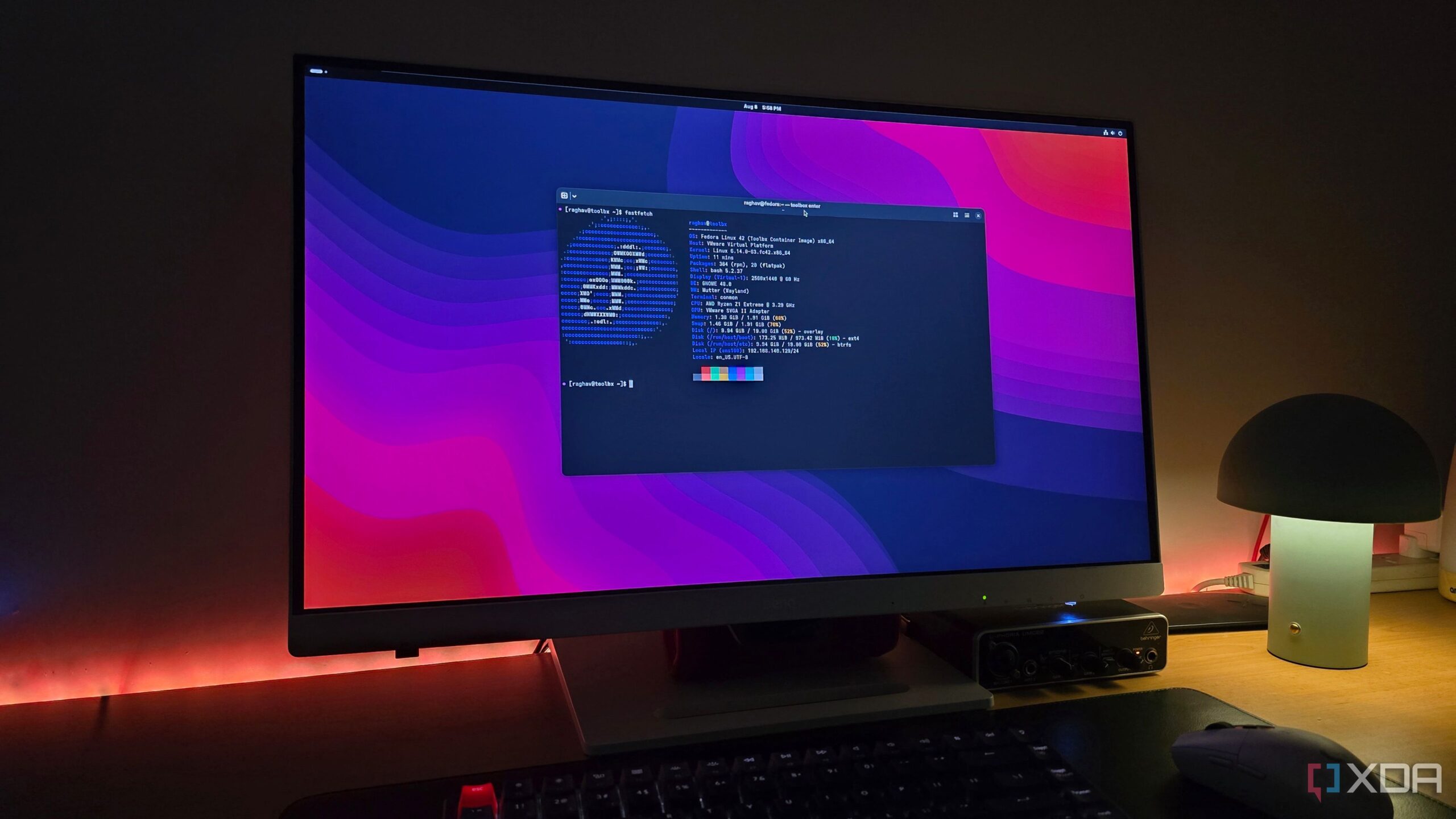
Fedora Silverblue has emerged as a pioneering Linux distribution that presents a new vision for the future of operating systems. This innovative platform offers users a streamlined and modern computing experience, reflecting the evolving needs of technology enthusiasts and professionals alike.
What sets Fedora Silverblue apart from traditional Linux distributions is its immutable file system. This design choice enhances system stability and security, allowing users to focus on their tasks without the fear of accidental changes disrupting their environment. The unique architecture of Silverblue is a significant step forward in making Linux more user-friendly and efficient.
Key Features and Innovations
Fedora Silverblue utilizes a technology called OSTree, which enables atomic updates and rollbacks. This feature means that when updates are deployed, they are applied as a complete package, minimizing the risk of partial updates that can lead to system instability. In the event of a problem, users can revert to a previous state with ease, making it an attractive option for both novices and experienced users.
Another notable aspect of Fedora Silverblue is its emphasis on containerization. The distribution encourages the use of applications within containers, allowing for greater flexibility and isolation. This approach not only simplifies application management but also enhances security by limiting potential vulnerabilities to individual containers rather than the entire system.
The development community’s response to Fedora Silverblue has been overwhelmingly positive. Many users have expressed enthusiasm for its forward-thinking design and the potential it holds for the future of Linux. The project continues to attract attention from both individual developers and larger organizations seeking to adopt a more modern approach to software deployment.
Implications for the Future of Linux
As Fedora Silverblue gains traction, it raises questions about the direction of Linux distributions as a whole. Its architecture may serve as a model for future developments within the Linux ecosystem. The focus on immutability and containerization could lead other distributions to adopt similar strategies, enhancing the overall user experience and expanding the reach of Linux in various sectors.
This shift towards a more streamlined and secure operating environment aligns with the broader trends in technology. As users increasingly prioritize stability and performance, Fedora Silverblue is well-positioned to meet these demands. The distribution not only provides a glimpse into what the future may hold for Linux but also sets a new benchmark for other operating systems to aspire to.
In summary, Fedora Silverblue represents a significant evolution in the Linux landscape. Its innovative features, such as atomic updates and containerization, offer a compelling alternative to traditional distributions. As the development community continues to embrace this new platform, the future of Linux appears brighter than ever, with Fedora Silverblue leading the way in redefining user experience.