
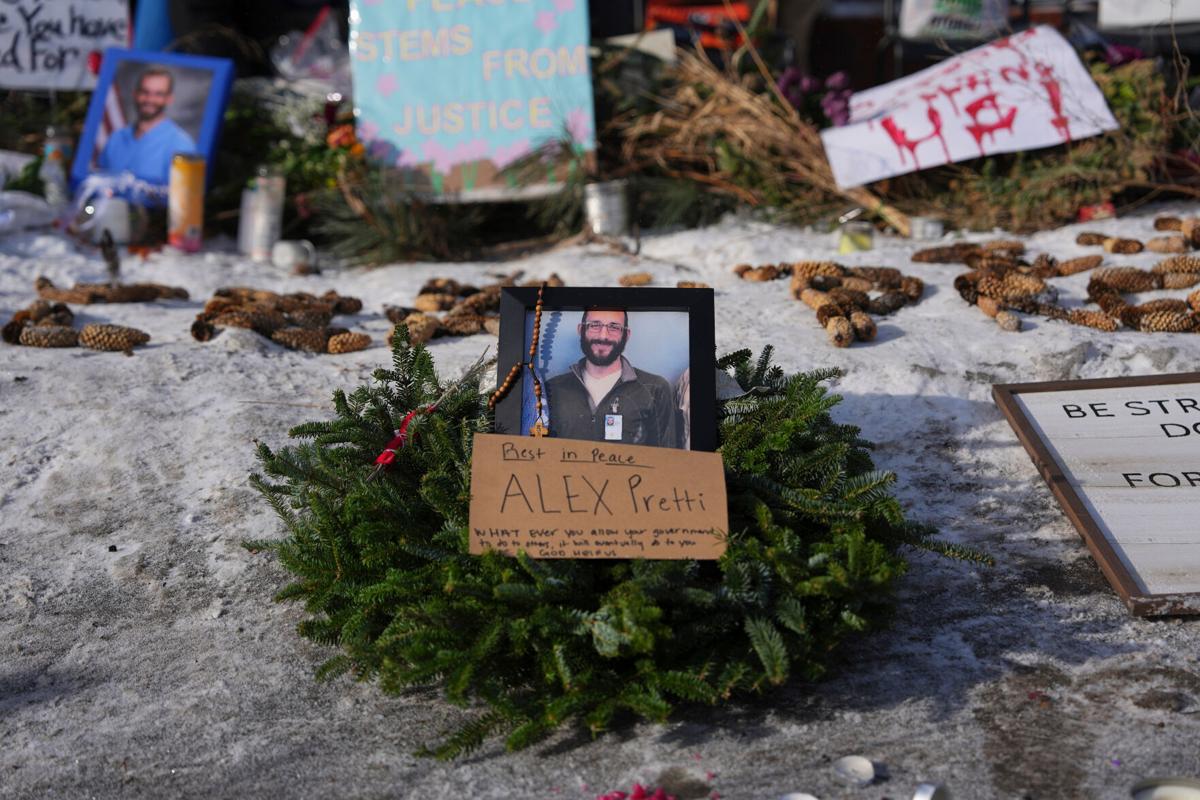
A federal judge has issued a restraining order preventing the Trump administration from altering or destroying evidence linked to the shooting death of a second American citizen by federal immigration agents in Minneapolis. This decision underscores significant concerns regarding the handling of investigations involving law enforcement.
The ruling was prompted by the shooting of a man identified as a U.S. citizen, which occurred in July 2023. The case has drawn widespread attention and criticism due to the involvement of federal immigration agents, raising questions about accountability and transparency in such incidents. The judge’s order emphasizes the need to preserve evidence, ensuring that any inquiry into the shooting is based on unaltered facts.
Concerns Over Conduct of Federal Agents
The presence of federal immigration agents in local law enforcement matters has faced increasing scrutiny. Critics argue that such actions contribute to a culture of distrust, particularly in communities that have historically dealt with immigration enforcement. The Minneapolis incident is not an isolated case; it reflects broader issues regarding the relationship between federal agencies and local communities.
The restraining order serves as a critical reminder of the judiciary’s role in safeguarding the integrity of investigations. It highlights the importance of maintaining a clear line between law enforcement actions and the rights of citizens. By preventing the destruction of evidence, the judge aims to ensure that all facts surrounding the case are available for further investigation and scrutiny.
Impact on Local Communities
Residents of Minneapolis and surrounding areas are closely following developments in this case. The shooting has raised fears about the safety and rights of individuals when confronted by federal agents. Local advocacy groups have voiced concerns that the actions of immigration agents may disproportionately affect minority communities.
Moreover, the case brings to light the ongoing national debate over immigration policy and law enforcement practices. Many community members are calling for greater accountability and transparency from federal agencies, arguing that trust must be rebuilt between law enforcement and the public.
As the legal proceedings continue, the implications of this case could extend beyond Minneapolis, influencing how federal immigration policies are implemented across the country. The outcome will likely shape future interactions between federal agents and local communities, as well as inform ongoing discussions about reforming immigration enforcement practices.
The judge’s ruling may also prompt broader discussions about the limits of federal authority in local law enforcement matters. As more details emerge, stakeholders from various sectors will need to engage in constructive dialogue to address the underlying issues that this case has brought to the forefront.