
The number of immigrants in federal detention in the United States has exceeded 65,000, marking a significant increase since the beginning of the Trump administration. As of now, there are approximately 65,135 individuals in custody, surpassing the previous threshold of 60,000, which was briefly exceeded in August. This figure reflects a dramatic rise from 39,238 detainees when President Trump took office in January 2017.
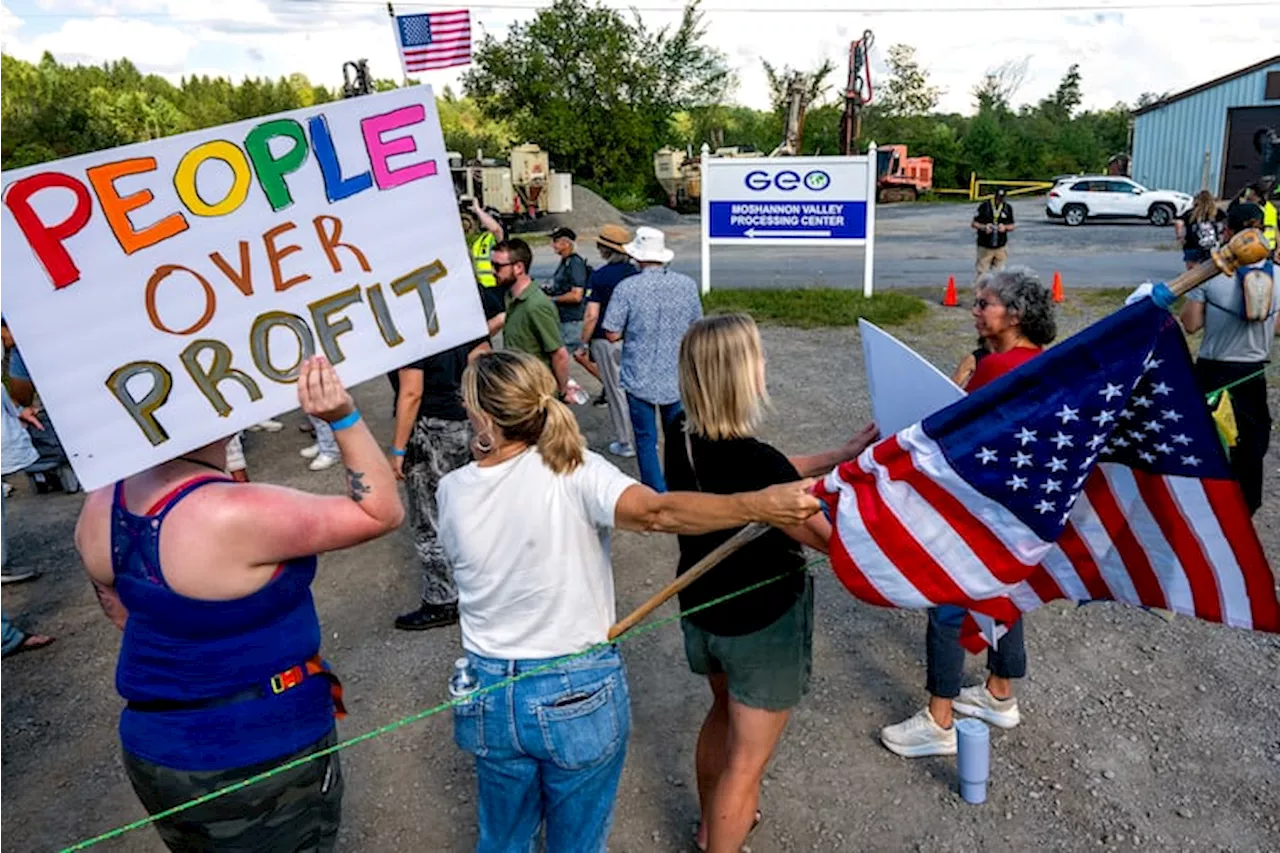
Immigration attorney Jonah Eaton from Philadelphia commented on the situation, stating, “They are dead serious about moving as many people out of the country as possible, and keeping them detained while they do it.” The surge in detention numbers has prompted protests, including a prayer vigil held by activists and faith leaders near the Moshannon Valley Processing Center in Philipsburg, Pennsylvania. These groups oppose the practices of the private prison corporation, GEO Group, which operates this and other detention facilities.
Under the Trump administration, the approach to immigration enforcement has shifted significantly, with a focus on detaining and deporting individuals deemed “criminal immigrants.” Yet, data shows that approximately 74% of those currently detained have no criminal convictions. This raises questions about the criteria used for detention and the implications for families and communities.
Cris Ramon, an independent immigration consultant based in Washington, D.C., expressed concern over the administration’s intentions. “The question is, ‘What’s going to be the ceiling for this?’ as the administration has designs to expand the capacity to detain individuals as arrests increase,” he stated. Ramon noted that a majority of detainees are now arrested by Immigration and Customs Enforcement (ICE), with 81% of those in detention being taken into custody by ICE, compared to 38% when Trump assumed office.
The Trump administration has emphasized its commitment to removing what it describes as the “worst of the worst” offenders from the country. However, the reality of the statistics paints a different picture. Many individuals in detention include green-card applicants, asylum seekers, and others entangled in ongoing legal processes. These individuals often face “mandatory detention,” which means they cannot seek release on bond, effectively trapping them in a system that appears increasingly punitive.
The National Immigration Law Center has criticized the administration’s policies, stating, “The Trump administration has ensured that migrants have almost no way out of detention other than death or deportation.” This statement underscores the severe consequences of recent policy shifts, as more individuals are detained for longer periods, awaiting court cases or deportation hearings.
As detention numbers continue to climb, the need for housing detainees is becoming a pressing issue. ICE facilities operate across all 50 states, as well as in territories such as Guantanamo Bay, Puerto Rico, Guam, and the U.S. Virgin Islands, according to the Vera Institute of Justice. The expansion of detention centers reflects an ongoing commitment to stringent immigration enforcement, raising concerns among advocates regarding the treatment of detainees and the broader implications for immigrant communities.
Carly Pérez Fernández, communications director at the Detention Watch Network, remarked that the current detention figures serve as a “grim reminder” of a larger plan targeting individuals based on factors such as employment and appearance, which destabilizes communities and separates families.
As the federal detention system grapples with increasing numbers, the long-term consequences of such policies remain uncertain, prompting calls for a reevaluation of the approach to immigration enforcement and its impact on human rights.