
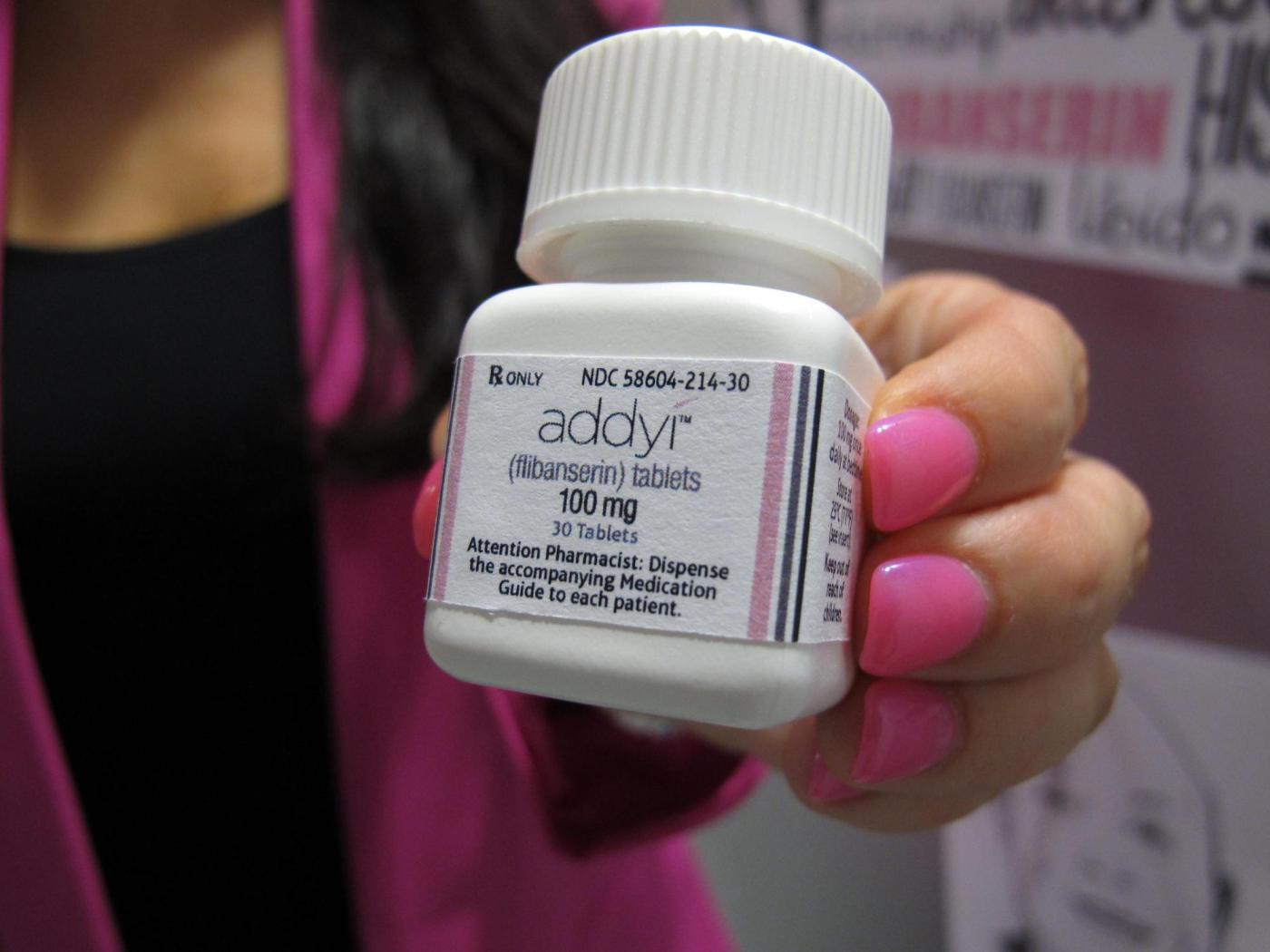
The U.S. Food and Drug Administration (FDA) has expanded the approval of the libido-boosting drug Addyi, allowing its use for women over the age of 65 who have undergone menopause. This announcement, made on March 25, 2024, marks a significant shift in the drug’s availability, which was initially approved nearly a decade ago for premenopausal women experiencing low sexual desire due to emotional stress.
Manufactured by Sprout Pharmaceuticals, Addyi was originally anticipated to fill an important gap in women’s health. Despite this potential, its sales have been limited, largely due to side effects such as dizziness and nausea, along with a serious warning regarding the dangers of alcohol consumption while using the medication. The FDA has issued a boxed warning, its most severe type, indicating that combining Addyi with alcohol can lead to dangerously low blood pressure and fainting.
Background on Addyi and Female Libido
The condition known as hypoactive sexual desire disorder (HSDD) has been recognized since the 1990s and affects a significant number of women in the United States. Surveys suggest that many women experience challenges with sexual desire, particularly after menopause when hormone levels decline. The FDA’s decision to broaden the drug’s approval reflects ongoing efforts to address women’s sexual health issues, which have often been overlooked in favor of male-centric treatments.
In a statement, Cindy Eckert, CEO of Sprout Pharmaceuticals, emphasized that the FDA’s latest approval “reflects a decade of persistent work with the FDA to fundamentally change how women’s sexual health is understood and prioritized.” This approval follows the drug’s contentious history; Addyi was initially rejected by the FDA twice before finally gaining approval in 2015 after a vigorous lobbying campaign that framed the lack of options for women as a matter of women’s rights.
Challenges in Diagnosing and Treating HSDD
Diagnosing HSDD can be complicated due to the myriad factors that influence libido, including relationship dynamics, medical issues, depression, and other mental health conditions. Physicians must carefully evaluate these factors before prescribing medication. This complexity has led to debate within the medical community, as some psychologists argue against classifying low sex drive as a medical issue.
In addition to Addyi, the FDA approved a second treatment for low female libido in 2019, which is an on-demand injection targeting different neurological pathways. This broader approach to female sexual dysfunction highlights an increasing recognition of women’s health needs.
As the conversation around women’s sexual health evolves, the approval of Addyi for older women represents a significant step forward. It underscores the commitment to providing options for those affected by low libido and aims to enhance overall quality of life for women post-menopause.
The FDA’s decision reflects a growing acknowledgment of the complexities surrounding female sexual health and the importance of addressing these issues with appropriate medical solutions.