
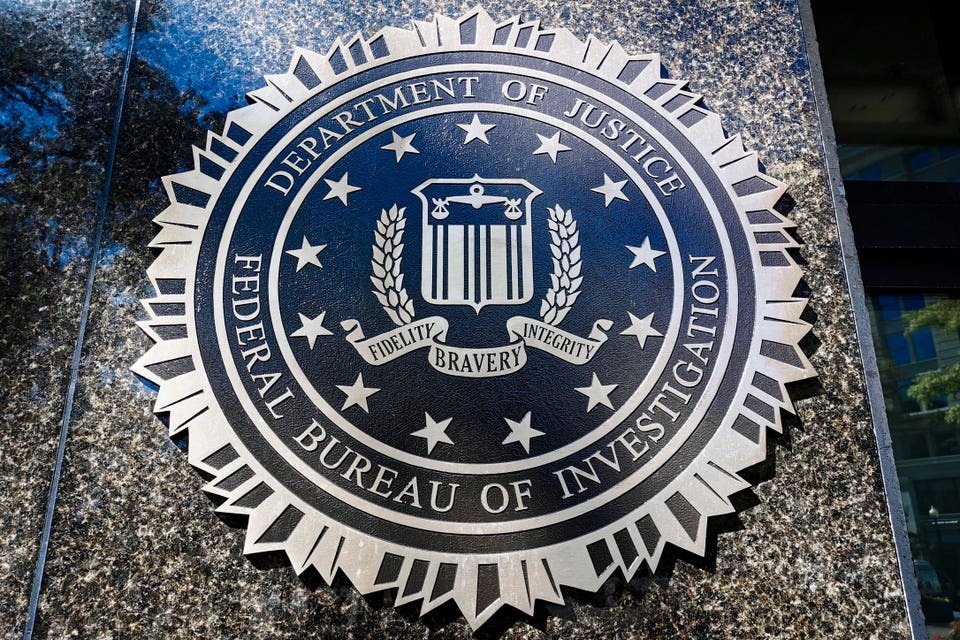
The FBI has issued an urgent warning to smartphone users regarding a surge in malicious emails and messages designed to impersonate the bureau itself. The recent wave of scams involves fraudulent communications that appear to come from legitimate FBI phone numbers and email addresses. This tactic aims to extort money or steal personally identifiable information from unsuspecting victims.
Impersonation of law enforcement has been a recurring issue, with the FBI stating, “Scammers are impersonating Special Agents,” and emphasizing the necessity for vigilance. Victims are often directed to the IC3 website to report these incidents, which has also been compromised by impersonators. The warning underscores a broader trend affecting not just the FBI, but other federal, state, and local agencies as well.
Recognizing the Threat
The FBI cautions that legitimate government agencies will never request money or personal information via unsolicited calls, emails, texts, or social media messages. “Resist pressure to act quickly, pause for a moment, and assess the situation,” the bureau advises. This sense of urgency is a common tactic used by scammers to manipulate victims into acting without verifying the authenticity of the message.
In light of these developments, the FBI urges individuals to delete any suspicious messages on their devices after reporting them. It is crucial to verify the sender before engaging with any unexpected communication, regardless of its appearance. The ease with which attackers can spoof phone numbers and email addresses has increased, largely due to advancements in technology, including artificial intelligence.
Escalating Risks and Financial Implications
Recent reports highlight the potential for severe financial losses associated with these types of scams. According to a report from Surfshark, losses linked to deep fake technology reached $1.1 billion in 2023, a dramatic increase from $360 million in 2024 and up from $128 million between 2020 and 2023. The alarming rise in these figures indicates that scammers are becoming increasingly sophisticated in their methods.
The FBI further emphasizes caution when faced with unsolicited communication. If a phone call or message feels suspicious, individuals are advised to “hang up” and refrain from sharing personal information or financial details with strangers. By staying informed and vigilant, users can help protect themselves from the growing threat of these impersonation scams.