
In the spring of 2016, as Hillary Clinton approached the Democratic presidential nomination, FBI agents raised concerns regarding foreign donations to the Clinton Foundation. They questioned whether these contributions influenced her decisions while serving as Secretary of State. Despite these concerns, the investigation did not progress, leading to allegations of potential misconduct.
Documents released to the Senate Judiciary Committee reveal that agents from the FBI field offices recommended that headquarters pursue questions about the foundation’s foreign donations and the possibility of using the charity for campaign financing. The investigation, codenamed “Cracked Foundation,” was reportedly stymied by decision-makers in Washington.
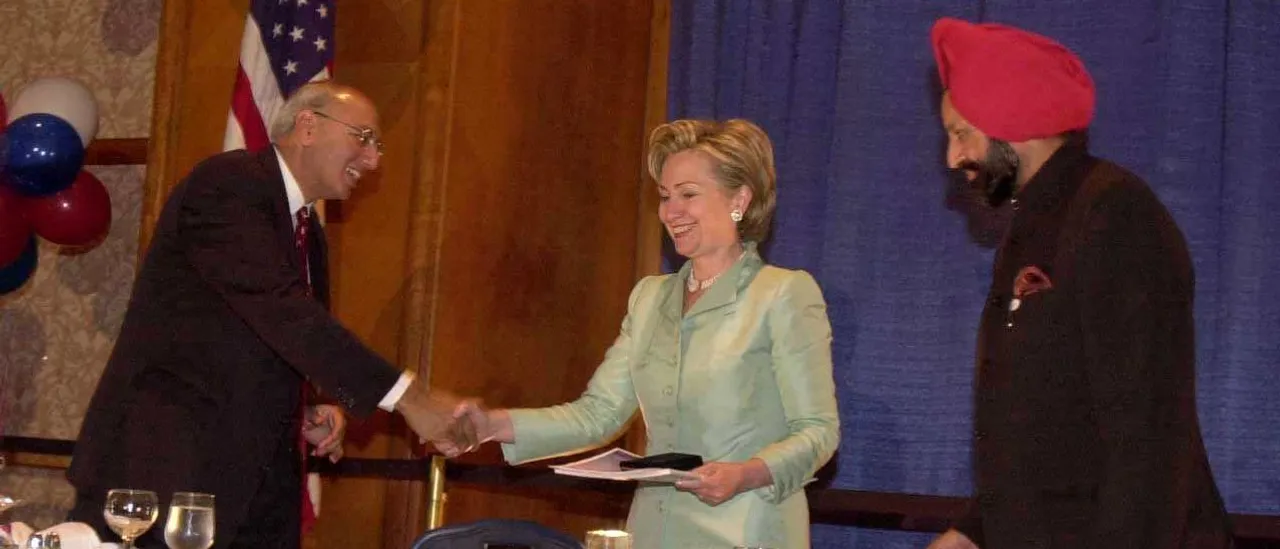
Among the significant findings was a recorded conversation between Clinton and Sant Singh Chatwal, an Indian hotelier and longtime donor to the foundation. The FBI’s inquiries suggested that Chatwal discussed his donations to the foundation while also addressing Clinton’s campaign debt from 2008. Chatwal, who has been linked to various donations and fundraising efforts, had previously pled guilty to laundering contributions to Clinton’s campaign in 2014.
In the wake of these revelations, the FBI had initially intercepted communications involving individuals associated with the Clinton Foundation. However, when Clinton was questioned by the FBI in July 2016 about her private email server—a separate investigation known as “Midyear Exam”—agents reportedly did not address the allegations concerning foreign donations or possible pay-to-play arrangements.
The Clinton Foundation has not commented on these allegations, and Chatwal could not be reached for his perspective. His substantial involvement with the foundation included being a trustee and having close ties to the Clinton family, as detailed in the book “Clinton Cash” by investigative journalist Peter Schweizer. Chatwal’s properties were valued at approximately $750 million in a 2006 Forbes profile.
Investigators wanted to question Clinton about whether funds from the foundation were used to settle campaign debts. They pointed to a previous conversation where she allegedly indicated to Chatwal that he could no longer donate to her campaign but should redirect his contributions to the foundation.
The inquiries also highlighted the timeline of the Indo-U.S. nuclear agreement, which occurred in 2008 amid concerns regarding its implications for international treaties. Chatwal celebrated the agreement and was awarded a prestigious civilian honor in India for his lobbying efforts. The FBI sought to understand whether financial contributions from Chatwal influenced this agreement, specifically regarding large cash payments to Indian officials.
Furthermore, the investigation revealed that the Clinton Foundation continued to accept foreign donations despite an agreement with the Obama administration to limit such contributions during Clinton’s tenure as Secretary of State. Agents indicated that they were prevented from pursuing these leads, expressing frustration over the lack of support from FBI headquarters.
A second organization, the Clinton Guistra Sustainable Growth Initiative, was established shortly after Clinton’s agreement with the Obama administration. Investigators aimed to determine the funding sources for this initiative, which reportedly funneled funds back to the Clinton Foundation without public financial disclosures.
The FBI’s apparent reluctance to pursue these allegations under the administration of former President Barack Obama raised concerns among field agents. An assistant U.S. attorney noted in 2019 that attempts to explore the foundation’s activities were thwarted by headquarters.
As the investigation into the Clinton Foundation’s foreign donations continues to draw public attention, the implications of these findings remain significant for both Clinton’s political legacy and the ongoing discourse surrounding the intersection of charity and politics.