
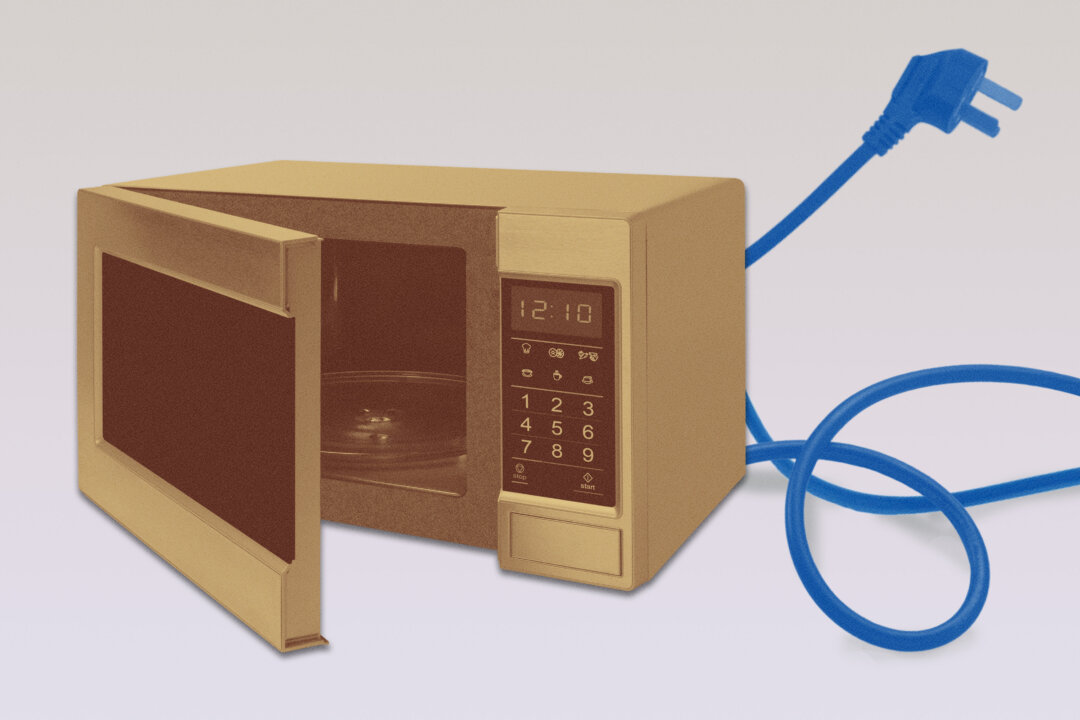
The Cross family has redefined their approach to reheating meals after a recent kitchen remodel led them to relocate their microwave to the pantry. With the appliance now out of sight, the family has noticed that their leftovers taste significantly better. This shift not only reflects a personal preference but also aligns with growing concerns regarding the potential health risks associated with microwaving food in plastic containers.
Amy Cross, who runs an online business called Cross Legacy aimed at reducing food waste, shared her insights on the benefits of forgoing the microwave. “When we moved into our new 1940s home, we loved the idea of not bringing a microwave back in. I don’t like clutter on my countertops and definitely don’t want one with harmful chemicals being released,” she stated. This sentiment resonates with a rising number of individuals who are reevaluating their kitchen appliances and practices.
Health Concerns Linked to Microwaving
Recent studies have raised alarms about the potential risks of using microwaves, particularly concerning plastic containers. Research indicates that microwaving food in plastic can release millions of microplastic particles into the food, posing possible health hazards. Such findings have prompted consumers to seek alternative methods for reheating their meals, prioritizing safety and wellness.
Families are increasingly turning to stovetops, ovens, and other traditional methods to warm their food. These methods not only enhance the flavor and texture of leftovers but also mitigate the risks associated with plastic exposure. By embracing these alternatives, many households are achieving a dual benefit: improved meal quality and peace of mind regarding health concerns.
Changing Perspectives on Kitchen Appliances
The decision to eliminate the microwave has become part of a broader movement towards more mindful cooking and eating practices. Many families, like the Crosses, are opting for appliances that align with their values of health and sustainability. This shift reflects a growing awareness of the potential long-term impacts of everyday kitchen habits on overall wellness.
Moreover, the trend is gaining traction across various demographics. As more individuals prioritize health and environmental considerations, the traditional microwave’s role is being called into question. The focus is shifting toward methods that not only preserve the food’s integrity but also contribute to a healthier lifestyle.
The Cross family’s experience highlights a significant change in how people perceive kitchen appliances and their impact on food quality. As awareness of the potential risks associated with microwaving continues to grow, it is likely that more families will explore and adopt alternative reheating methods. This evolving mindset may ultimately lead to healthier eating habits, benefiting both individuals and the environment.