
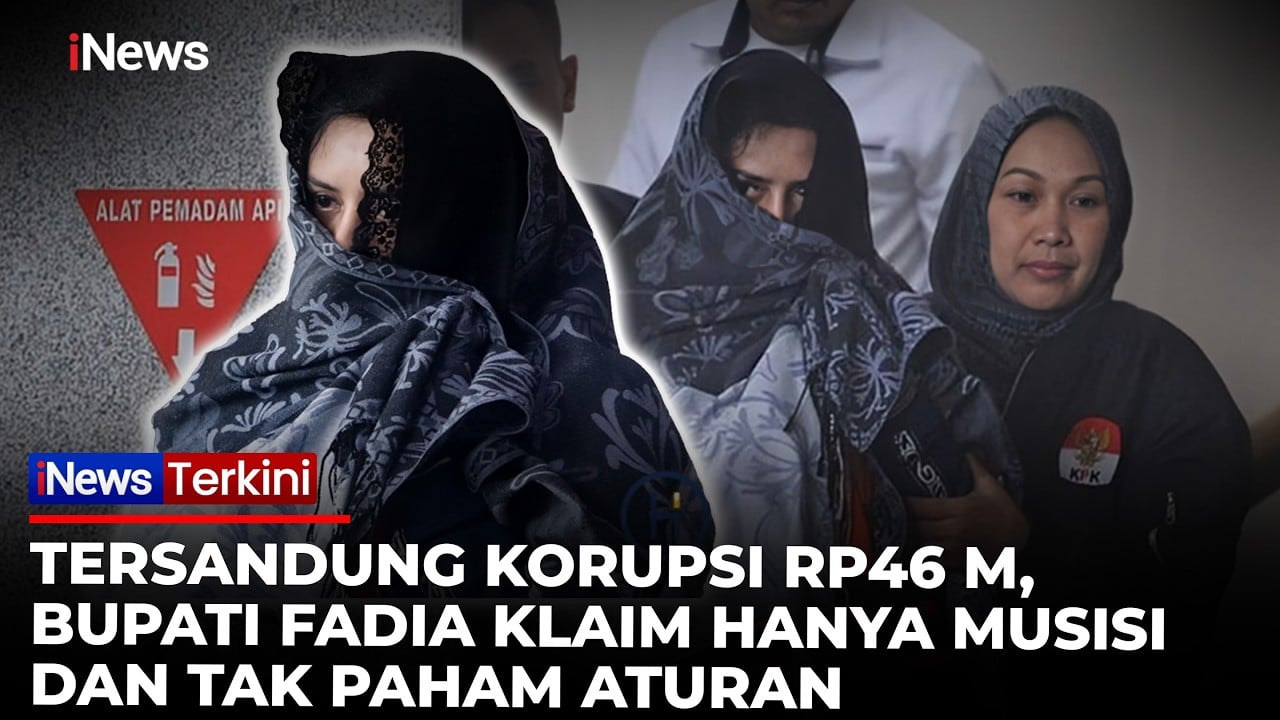
Jakarta’s political landscape has been shaken by recent developments involving Fadia Arafiq, the regent of Pekalongan, who has been named a suspect in a corruption case by the Corruption Eradication Commission (KPK). This announcement follows her involvement in a sting operation that occurred on March 3, 2026, leading to her designation as a suspect regarding alleged corruption linked to outsourcing procurement for the Pekalongan government between 2023 and 2026.
In a statement following her designation as a suspect, Arafiq made a surprising admission, claiming a lack of awareness regarding the regulations governing her role as the regent. She attributed her unfamiliarity to her background as a dangdut singer rather than a career politician. Arafiq emphasized that she had delegated bureaucratic functions to the local secretary, arguing that her primary responsibilities were largely ceremonial.
These assertions have been met with skepticism by the KPK. The commission has pointed to Arafiq’s extensive experience in the executive branch, suggesting that she should possess a clear understanding of the principles of good governance within local government. The KPK’s response indicates a belief that her claims of ignorance are insufficient to absolve her of responsibility in this matter.
The corruption allegations against Arafiq are part of a broader effort by the KPK to combat corruption within Indonesia’s local governments. As the commission continues its investigations, the implications of this case may resonate beyond Pekalongan, potentially influencing public trust in local governance and the effectiveness of anti-corruption measures in the country.
As this situation unfolds, the political ramifications for Arafiq and her administration remain to be seen. The KPK’s commitment to transparency and accountability in government will likely play a critical role in shaping the future of Pekalongan’s leadership and its approach to governance.