
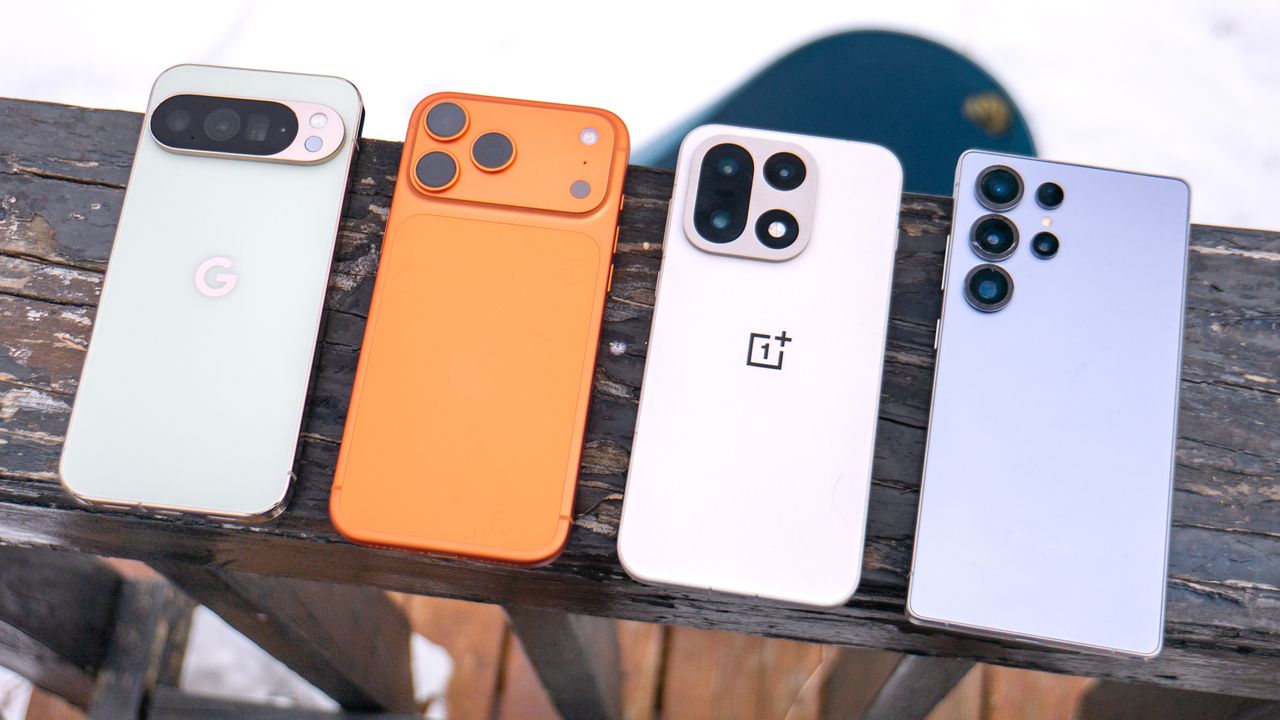
A recent battery drain test conducted in freezing temperatures has revealed surprising results for some of the top smartphones on the market. The test involved the iPhone 17 Pro Max, Galaxy S25 Ultra, Pixel 10 Pro XL, and OnePlus 15, all subjected to extreme cold conditions to assess their performance. The findings challenge common assumptions about how battery life is affected by low temperatures.
The tests took place outdoors during a period of significant cold in many regions, with temperatures dropping to as low as 15 degrees Fahrenheit (-9 degrees Celsius). The aim was to explore how these flagship devices perform under such conditions, given that heat is often cited as a major factor in battery drain.
Testing Methodology and Initial Observations
Two sets of tests were conducted: one indoors at room temperature and another outdoors in freezing conditions. Each device was charged to 100% and had its display brightness set to maximum while streaming a YouTube video at high quality. After every 30-minute interval, battery levels were recorded over a total duration of two and a half hours.
The Galaxy S25 Ultra had been in use the longest, followed by the Pixel 10 Pro XL and OnePlus 15. The iPhone 17 Pro Max was brand new, having been in use for less than a week. This factor likely contributed to its strong performance in the tests.
During the indoor test, the Pixel 10 Pro XL experienced the most significant drop, ending at 96% after 30 minutes, while the others remained above 98%. The iPhone 17 Pro Max performed admirably, holding steady at 96% by the end of the two-hour test.
Outdoor Performance in Freezing Conditions
The outdoor results were unexpected. Contrary to the anticipation of severe battery drain, the iPhone 17 Pro Max showed remarkable endurance, dropping only to 95% after 2.5 hours. The OnePlus 15 maintained performance close to its indoor results, finishing with 91%. The Galaxy S25 Ultra, however, was the only device to perform worse in cold temperatures, dropping to 86% by the end of the test.
Most notably, the Pixel 10 Pro XL defied expectations by performing better outdoors than indoors. After two hours, it registered 84%, significantly improved from the 68% recorded in the warmer setting. While it eventually dropped to 78%, the initial results demonstrated that cold temperatures could help prolong battery life.
The test results indicate that extreme heat may be a more significant factor in battery drain than previously thought. This conclusion is supported by the performance of the Pixel 10 Pro XL, which experienced rapid drain in warmer conditions. The findings suggest that the efficiency of the processor and the effectiveness of thermal management systems could play vital roles in how devices respond to temperature extremes.
The iPhone 17 Pro Max, benefiting from its new battery, showcased exceptional performance in both tests. However, the results might differ if the device were subjected to prolonged use, highlighting the importance of battery health in overall performance.
The outcome of this battery test underscores the unexpected resilience of smartphones in cold weather, challenging the conventional wisdom that lower temperatures necessarily lead to battery drain. The tests suggest a need for further exploration into how different environmental conditions affect mobile technology.
For ongoing updates and analysis of technology performance, readers can follow Tom’s Guide on Google News.