
Americans are on the brink of a significant shift in the automotive landscape as extended-range electric vehicles (EREVs) prepare to enter the market. With the once-prominent $7,500 federal tax credit now far less enticing, EREVs offer a solution to range anxiety—a common concern among electric vehicle (EV) users. These vehicles utilize a combustion engine as a generator, providing an alternative power source while maintaining the benefits of an electric drive. As major automakers gear up to introduce EREVs, consumers can expect a range of new models in the coming years.
What are Extended-Range Electric Vehicles?
Extended-range electric vehicles feature an electric powertrain at their core, supported by a combustion engine that recharges the battery while on the move. This design eliminates the direct mechanical connection between the engine and the wheels, allowing for exceptional flexibility in fueling options. For drivers, this means they can bypass long waits at charging stations. Instead, they can refuel at traditional gas stations, making EREVs a more convenient choice for many.
The technology is not entirely new; models like the first-generation BMW i3 and Fisker Karma have previously explored this concept. However, the current regulatory environment and consumer preferences are shifting towards these hybrids, prompting a renewed focus from manufacturers.
A Look at Upcoming EREVs in the U.S. Market
Several notable EREV models are set to launch in the United States between 2026 and 2028, each with unique features and specifications.
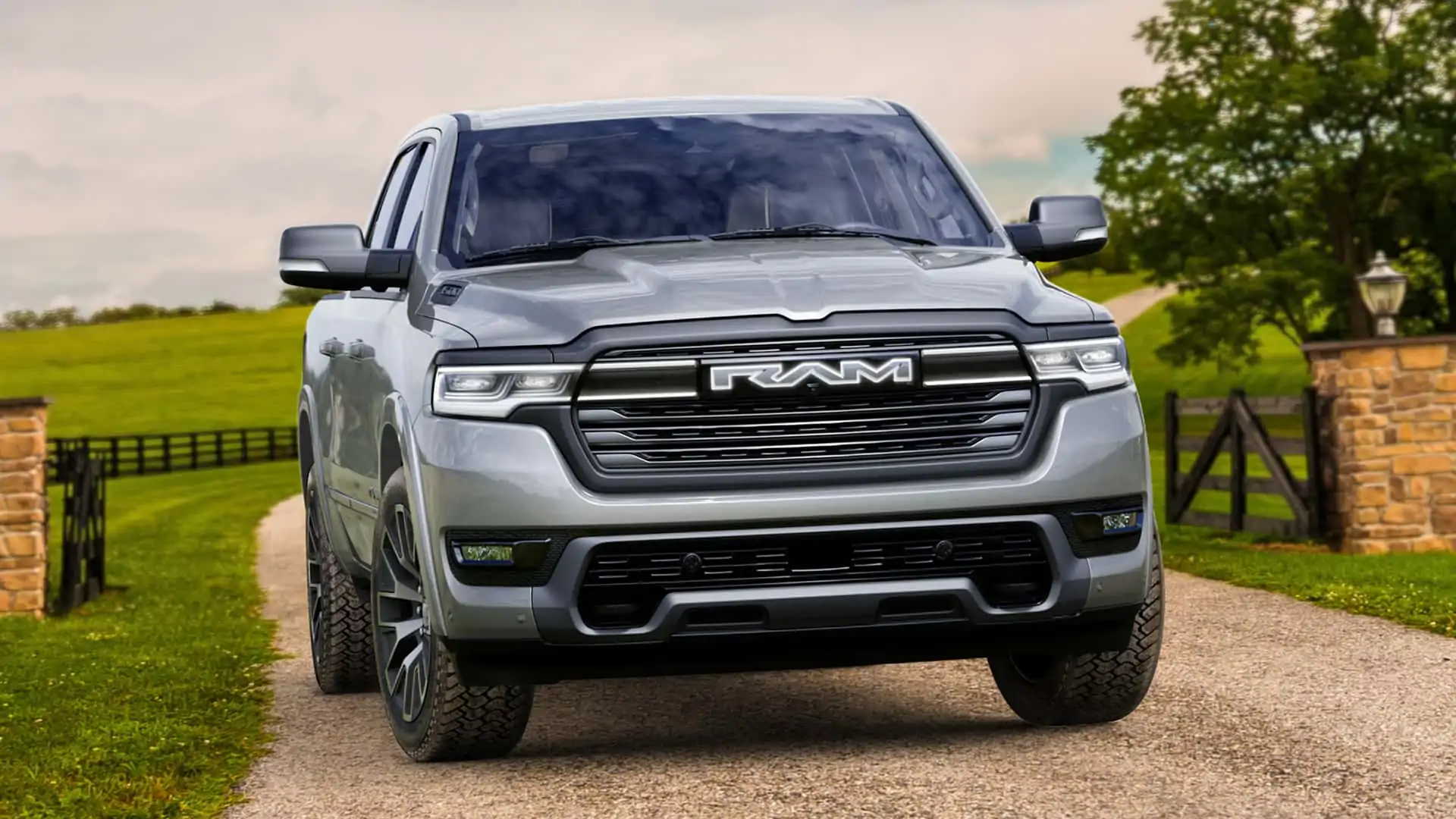
The Ram 1500 REV, a full-size pickup, is anticipated to begin production in the latter half of 2026 as a 2027 model. After initial delays and a name change, Stellantis, the parent company, pivoted from an all-electric version to this extended-range model. The Ram 1500 REV will include a 92-kilowatt-hour battery, dual electric motors producing a combined output of 647 horsepower, and an estimated range of 145 miles on electric power alone. When combined with gasoline, the total range extends to approximately 690 miles.
Scout Motors is also preparing to reintroduce its iconic brand with the Terra pickup and Traveler SUV, projected to roll off assembly lines in South Carolina by late 2027. These models will feature a main battery capacity of around 63 kWh, offering an all-electric range of approximately 150 miles, supplemented by a gasoline engine for extended travel. Scout’s CEO, Scott Keogh, noted that about 85% of reservations are for the EREV versions, indicating strong consumer interest.
The Jeep Grand Wagoneer is set to become “America’s first range-extended electric vehicle,” according to Stellantis. This SUV will share its powertrain with the Ram 1500 REV, including the same 92 kWh battery and 3.6-liter Pentastar V-6 engine. While its all-electric range has not been confirmed, the combined range is expected to exceed 500 miles.
Hyundai and Genesis are also entering the EREV market with plans to launch models featuring a unique powertrain system. Both companies aim for a total driving range of over 560 miles. Sales are expected to commence in early 2027, although pricing details have yet to be released.
Additionally, Ford plans to reintroduce the F-150 Lightning as an EREV, targeting a range exceeding 700 miles. This decision follows the initial all-electric version’s underperformance compared to traditional gasoline models. Ford aims to enhance towing capabilities with the new gas-assisted design, although specific launch timing remains uncertain.
Kia is also developing an EREV system, potentially for the Telluride SUV, though details are still emerging.
Other manufacturers are exploring similar technologies. The upcoming Nissan Rogue is expected to feature an e-Power system, functioning like an EREV but with limitations, including a smaller battery that cannot be charged externally. Volvo is also working on next-generation plug-in hybrids that will incorporate EREV-like features, though they will maintain a direct connection between the gasoline engine and the wheels.
While specific details about EREV models from BMW and Audi are still under wraps, both brands are reportedly considering their options for extended-range vehicles in the U.S. market.
As the automotive industry adapts to changing consumer preferences and regulatory pressures, EREVs are poised to become a significant segment in the U.S. market. With a blend of electric efficiency and traditional fueling convenience, these vehicles may address the critical concerns that have held back broader EV adoption. The introduction of these innovative models is expected to reshape the landscape of personal transportation in the coming years.