
In Central New York, a feature series coordinated by The Post-Standard, Syracuse.com, and InterFaith Works of CNY explores the spiritual journeys of individuals in their later years. The series emphasizes that the pursuit of a spiritual path is accessible to anyone, regardless of age. However, older adults may find unique advantages in this exploration, as they often have a clearer understanding of life’s limitations and the importance of the time remaining.
As individuals age, they may reflect on their spiritual beliefs, which can range from embracing a childhood religion to seeking a new path, or even finding spirituality outside traditional religious frameworks. This contemplation often leads to a deeper understanding of what one truly desires from life. The accumulated wisdom from years of experience can serve as a guiding force in navigating this spiritual landscape.
Inner Growth and External Impact
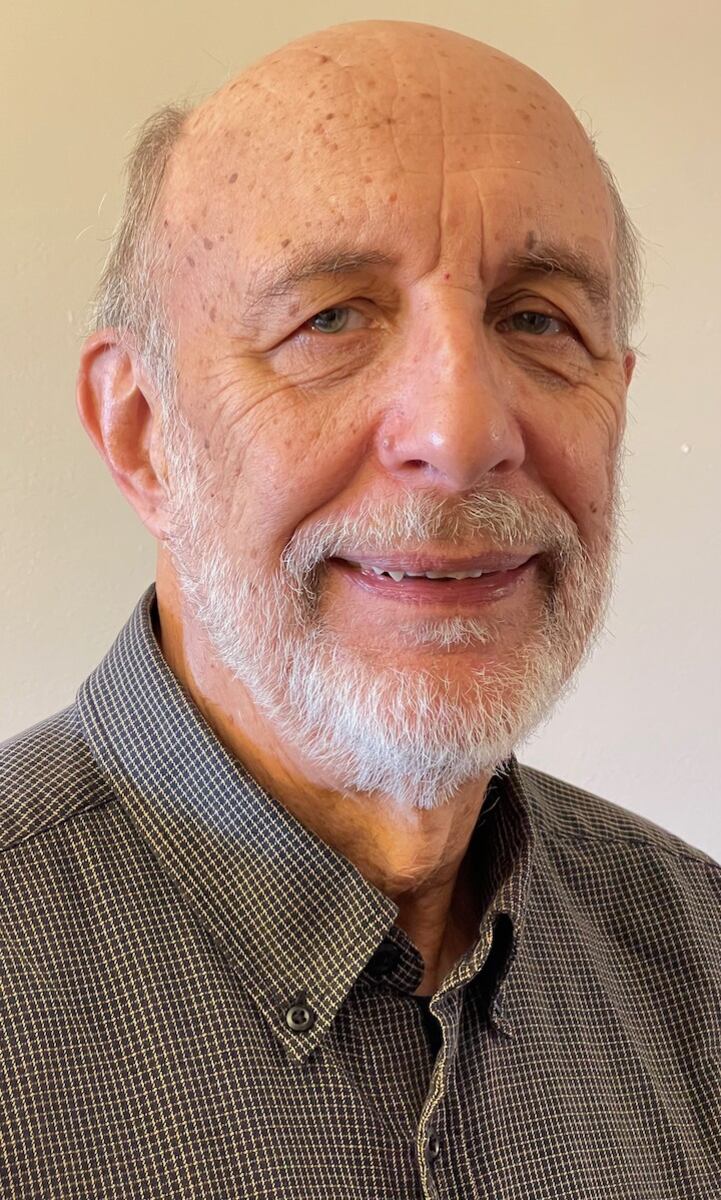
According to Ted Pietrzak, Ph.D., a former college professor and adult educator, the transition into later years often shifts focus from external achievements to internal fulfillment. In his teachings at Upstate Oasis in Syracuse, Pietrzak highlights that as people grow older, they may prioritize personal integrity, emotional depth, and compassion over mere accomplishments. This internal journey allows for the cultivation of a richer, more meaningful life.
The question arises: what constitutes a meaningful spiritual path in one’s elder years? While nurturing a rich inner life through practices such as prayer and reflection can provide comfort, it is equally important to engage with the world around us. Compassionate actions can lead to a fulfilling external life, reinforcing the idea that personal and communal growth can coexist.
Choosing Both Paths
The notion of seeking transcendence—moving beyond oneself—while also benefiting those in the community presents a dual challenge. Older adults are encouraged to embrace both aspects of their spiritual journey. The potential for personal enrichment is vast, and the wisdom gained from life experiences can enhance interactions with others, fostering a sense of connection and purpose.
Pietrzak’s insights, as discussed in the feature series, resonate with many seeking direction in their later years. He emphasizes that there remains ample opportunity to redefine one’s identity and aspirations, regardless of age. The series encourages readers to reflect not only on their inner lives but also on how they can contribute meaningfully to their communities.
In conclusion, as the series continues to unfold, it invites individuals to explore their spiritual paths with an open heart and mind. The journey towards a deeper understanding of oneself and one’s place in the world is ongoing, reminding us that it is never too late to seek growth and connection.