
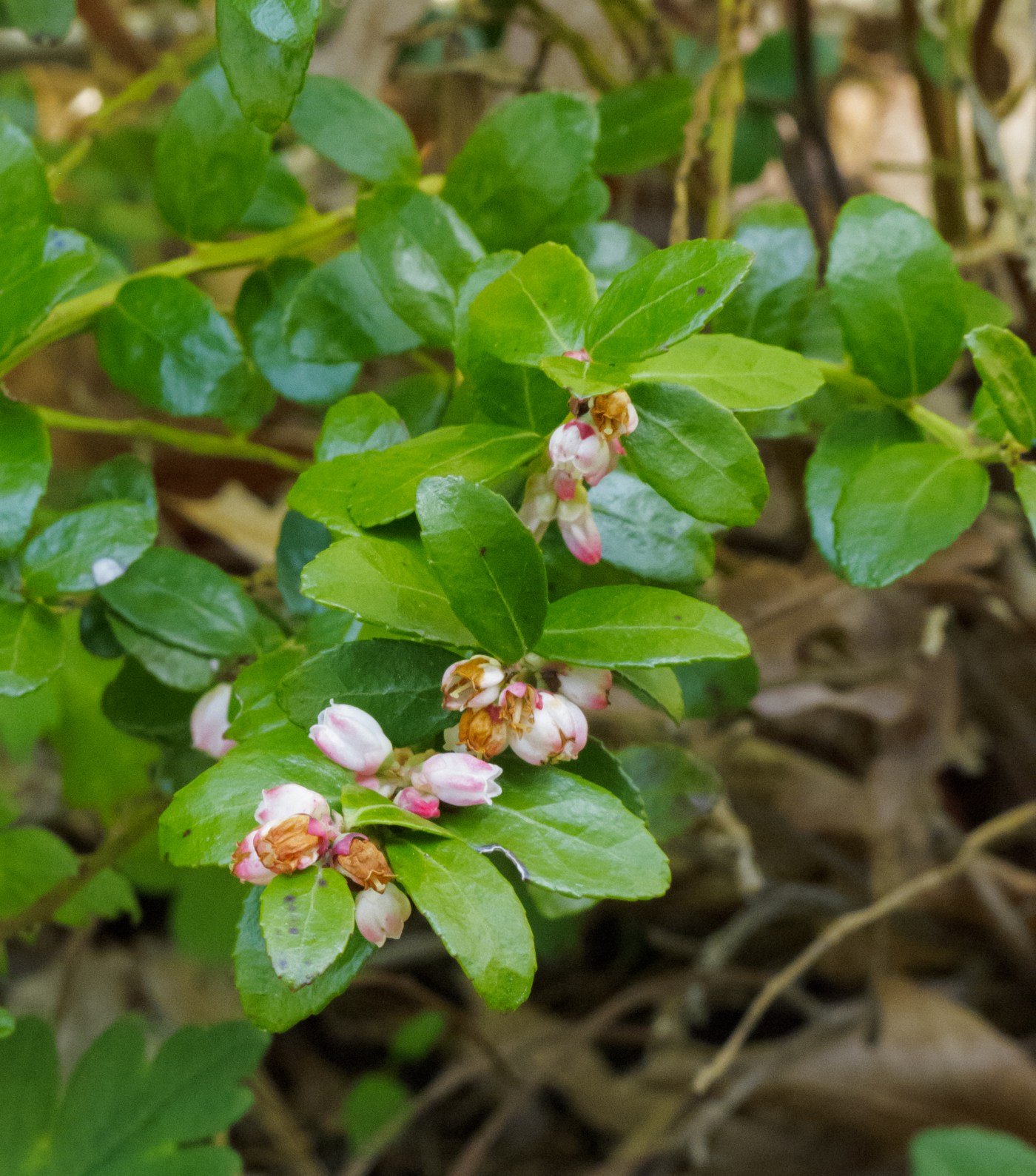
Interest in growing the evergreen huckleberry in central Maryland has raised questions about its viability in the region. The plant, known scientifically as Vaccinium ovatum, is a native species of the Pacific coast and does not naturally occur in Maryland. Although it is rated to withstand cold enough temperatures to survive winters in most Maryland counties, its specific needs for climate and rainfall may not be met in this area.
Maryland hosts ten native species of Vaccinium, including several types of blueberries and one cranberry. However, huckleberries similar to Vaccinium ovatum are not found in the state. Among the local huckleberries, four species of Gaylussacia exist, with the box huckleberry being the only evergreen variety. This species is considered globally rare and is also listed as locally endangered.
If gardeners manage to acquire box huckleberry from out-of-state suppliers, caution is advised. Planting it may disrupt the local gene pool, potentially reducing the resilience of native seedlings to Maryland’s unique weather conditions.
Soil and Environmental Considerations
Like blueberries, cranberries, and lingonberries, huckleberries thrive in acidic soil that provides excellent drainage. While certain species exhibit varying tolerance to drought and root wetness, providing optimal sun exposure can enhance fruit yield and improve fall foliage color for deciduous varieties. In natural settings, these plants often flourish in wooded understories.
For those interested in adding low-growing evergreens to their gardens, it may be more practical to consider local alternatives that are easier to source and adapt to Maryland’s growing conditions. Embracing the deciduous nature of local huckleberry relatives not only offers vibrant fall colors but also contributes significantly to local wildlife.
Assessing Lawn Care with Humic Acid
As gardeners explore options for enhancing their lawns, the application of humic acid and other biostimulants has emerged as a popular suggestion. However, experts caution that these products may not provide substantial benefits for average lawn care. The lack of rigorous research supporting their effectiveness raises questions about their added costs.
If a lawn is not thriving, the primary issue may lie in site conditions such as sun exposure, soil drainage, and acidity. Simply adding stimulants will not remedy underlying problems. Instead, a more effective approach begins with assessing soil health. Homeowners are encouraged to submit soil samples to testing laboratories to identify specific nutrient needs and pH levels.
The University of Maryland Extension provides resources for soil testing and offers guidance for home gardeners and lawn care professionals. By understanding soil fertility, gardeners can make informed decisions about necessary fertilizers or amendments, such as lime to adjust pH levels.
For those who suspect their lawns are declining due to root damage or stress, addressing the core issues is crucial. Solutions may include aeration, selecting more suitable plants for shaded or overly wet areas, and applying amendments based on laboratory results.
It is important to note that Maryland law regulates nitrogen and phosphorus applications in lawn care, ensuring environmentally responsible practices. For more information on gardening and pest management, individuals can access the Home and Garden Information Center at extension.umd.edu/hgic, where they can also submit questions and share photographs for expert advice.
By focusing on the right species and understanding soil conditions, Maryland gardeners can make informed decisions to enhance their landscapes and support local ecosystems.