
In late August 2023, a supermarket worker in a quiet Irish town made a personal stand against Israeli goods as images from Gaza flooded social media, revealing the devastation of the conflict. The ongoing violence had already claimed over 60,000 lives, prompting him to inform customers about the origins of certain fruits and vegetables. His refusal to sell Israeli produce resulted in his suspension from Tesco, a decision that sparked protests and ultimately led to his reinstatement in January 2024, albeit in a role that avoids handling Israeli goods.
This individual act of defiance is part of a broader wave of protests across Europe, where unions in countries such as Ireland, the UK, and Norway are increasingly voicing opposition to trade with Israel. Labour movements are advocating for policies that would prevent workers from being compelled to handle Israeli products, echoing historical boycotts like the one against apartheid South Africa in the 1980s.
Activism and Legislative Changes
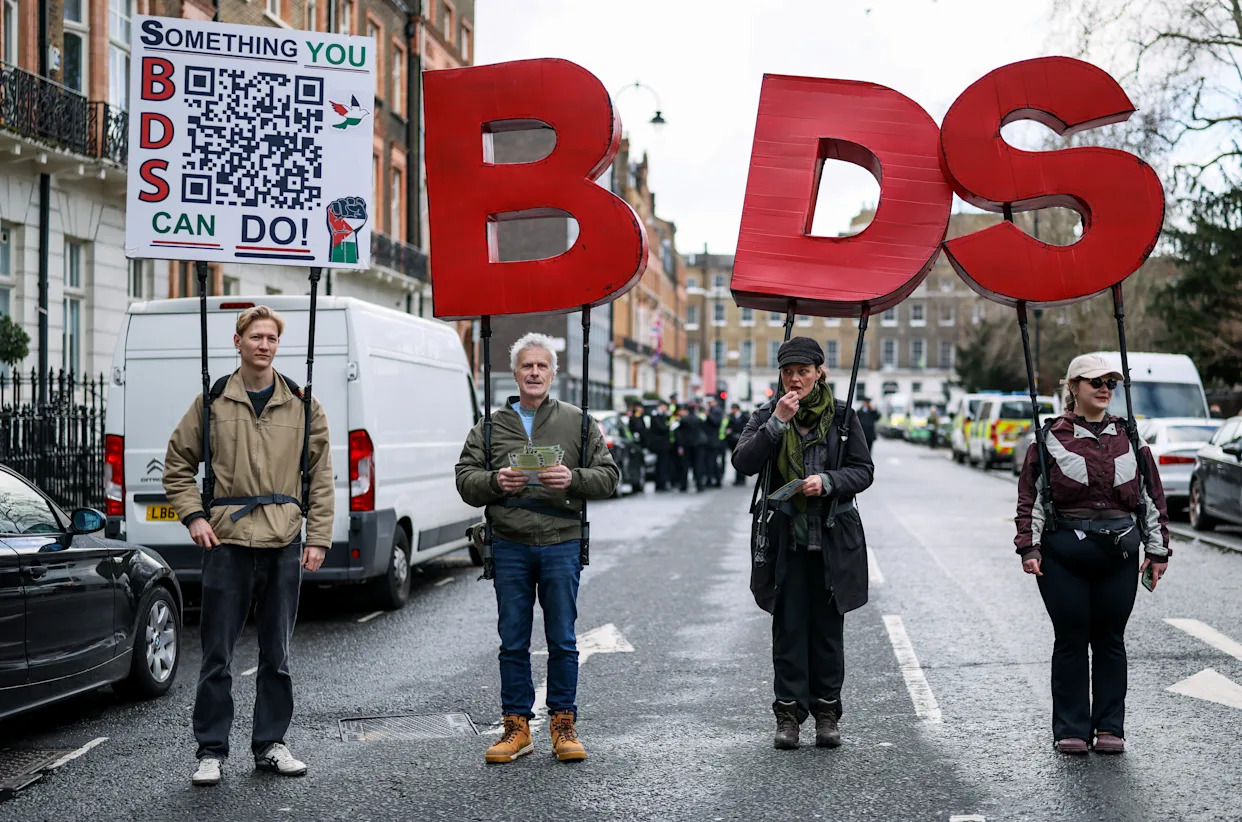
The current climate of activism is largely driven by the Boycott, Divestment and Sanctions (BDS) movement, which emerged in 2005. It calls for economic and cultural boycotts of Israel until it complies with international law regarding Palestine. Proponents argue that if the state fails to act against such violations, citizens and workers must lead the charge. Damian Quinn of BDS Belfast states, “Where the state has failed in its obligation to prevent and punish the crime of genocide, citizens and workers across the world must refuse Israel.”
Support for these movements is beginning to influence state policies. In August 2025, Slovenia became one of the first European nations to ban imports from Israeli-occupied territories, followed by similar measures from Spain later that year. Both countries’ centre-left governments have criticized Israel’s actions during the conflict, facilitating a legislative environment conducive to such changes.
In the Netherlands, student-led protests have shifted the political narrative, with calls for the government to implement a ban on imports from illegal Israeli settlements gaining traction. Meanwhile, Ireland is attempting to advance its Occupied Territories Bill, which would prohibit trade with illegal settlements. Despite unanimous support in the lower house of parliament, progress has stalled. Paul Murphy, an Irish MP, has suggested that the delay reflects indirect pressure from Israel through the United States.
Opposition and Pushback
Opposition to the BDS movement has intensified, particularly from pro-Israel organizations like B’nai B’rith International. In July 2025, the group warned Irish lawmakers that the Occupied Territories Bill could conflict with U.S. anti-boycott laws. Critics argue that such interventions represent coordinated efforts to influence European policies regarding Israel and Palestine.
Leaked documents reveal that the Israeli government has also been active in countering BDS campaigns in Europe. A covert program funded by Israeli ministries reportedly hired law firms for monitoring boycott-related activities. Former MEP Martina Anderson, a vocal supporter of the BDS movement, has accused these organizations of attempting to silence critics through legal and political pressure.
In Germany, a non-binding resolution condemning the BDS movement as anti-Semitic has further complicated the discourse. This resolution has been utilized to conflate legitimate criticism of Israel with anti-Semitism, a tactic welcomed by pro-Israel advocacy groups.
As the situation evolves, the outcome of these protests and legislative efforts remains uncertain. While some countries have taken definitive steps to curb trade with Israel, the pushback from pro-Israel groups highlights the complexities of navigating this contentious issue on the European stage. Activists continue to argue that collective action can lead to significant policy changes, emphasizing the need for sustained pressure on governments to implement boycotts and divestments.