
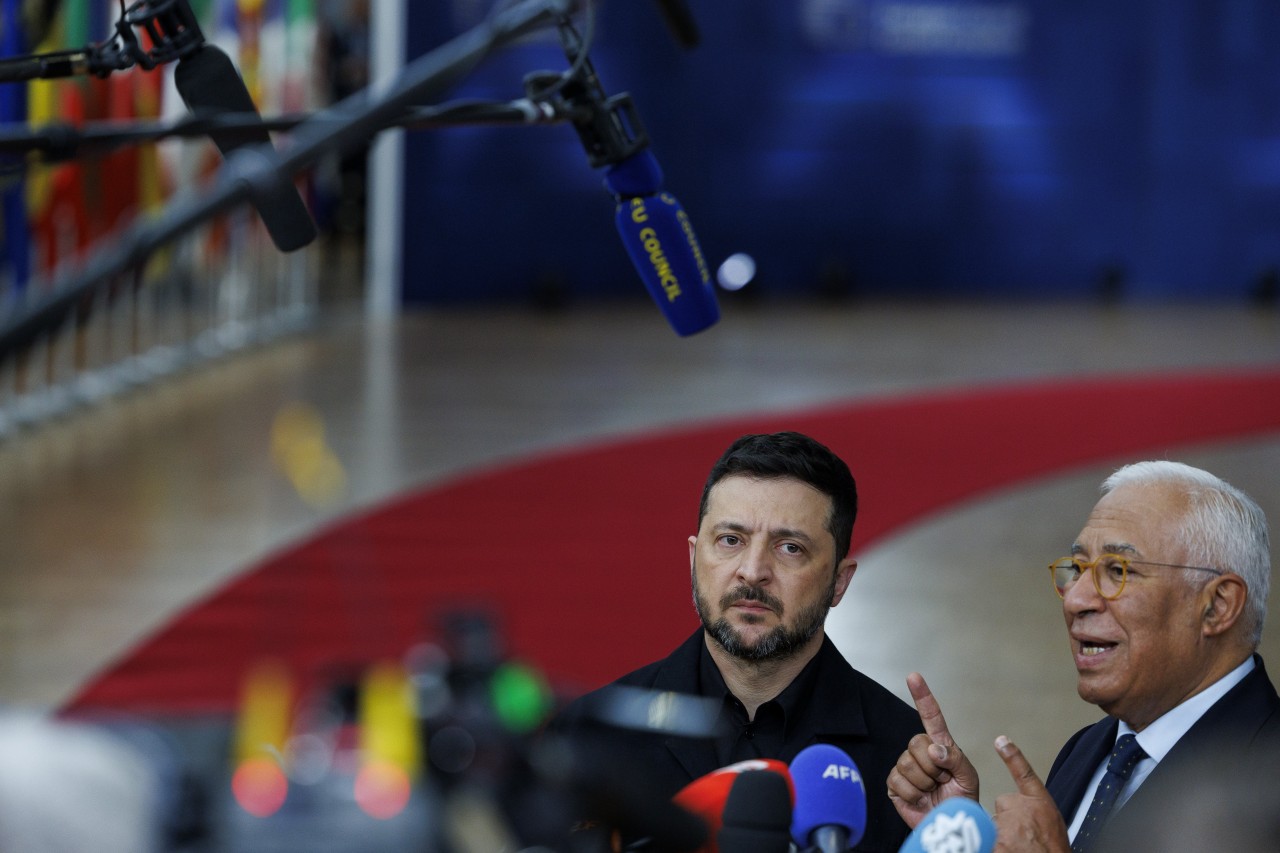
The European Union is contemplating the use of frozen Russian assets to support Ukraine as the conflict with Russia continues to escalate. In a move that could reshape the financial landscape of the ongoing war, officials are increasingly viewing this option as a necessary step to bolster Ukraine’s military efforts and strengthen its position in future negotiations.
As of March 15, 2024, an estimated $300 billion in Russian assets remain frozen across Europe and other allied nations. The potential deployment of these funds could provide crucial support to Ukraine, which is facing significant challenges on the battlefield. According to statements from NATO Secretary General Jens Stoltenberg, “Failure to unlock these resources may lead to dire consequences for Ukraine, both militarily and diplomatically.”
Implications for Ukraine’s Defense
The inability to utilize these assets could leave Ukraine vulnerable as it navigates a complex and precarious military landscape. Recent reports indicate that Ukraine requires substantial financial resources to maintain its defense capabilities against Russian forces. Analysts emphasize that without access to these funds, Ukraine’s position could weaken significantly, complicating its efforts to regain territory lost since the onset of the conflict.
Ukrainian President Volodymyr Zelenskyy has been vocal in advocating for the release of these funds, arguing that they represent a vital lifeline for his country. In a recent address, he stated, “We must secure every possible avenue of support to ensure our sovereignty and protect our people.” The urgency of this matter is underscored by ongoing military engagements, where the stakes continue to rise.
Challenges of Asset Utilization
Despite the potential benefits, utilizing frozen Russian assets presents numerous challenges. Legal complexities surrounding the ownership and intended use of these funds could hinder swift action. Additionally, some European leaders express concern about the implications of such a move on international law and diplomatic relations with Russia.
The European Union has been navigating these legal frameworks carefully, weighing the moral imperative against potential repercussions. A recent report from the United Nations highlighted that any action taken must comply with existing sanctions while also addressing humanitarian needs in Ukraine.
Furthermore, there is the question of public sentiment. Many citizens across Europe have expressed strong support for Ukraine, yet there remains caution regarding the long-term consequences of directly tapping into Russian assets. Maintaining public support while addressing the intricacies of international law is a delicate balancing act for European leaders.
As discussions continue, the focus remains on finding a viable path forward. The potential unlocking of these assets could not only bolster Ukraine’s military efforts but also send a strong message to Russia about the unity and resolve of the international community.
In summary, Europe is at a crossroads, weighing the benefits of utilizing frozen Russian assets against the complexities involved. The outcome of these discussions will significantly impact Ukraine’s defense capabilities and the broader geopolitical landscape. As the conflict continues, the stakes remain high, and the world watches closely.