
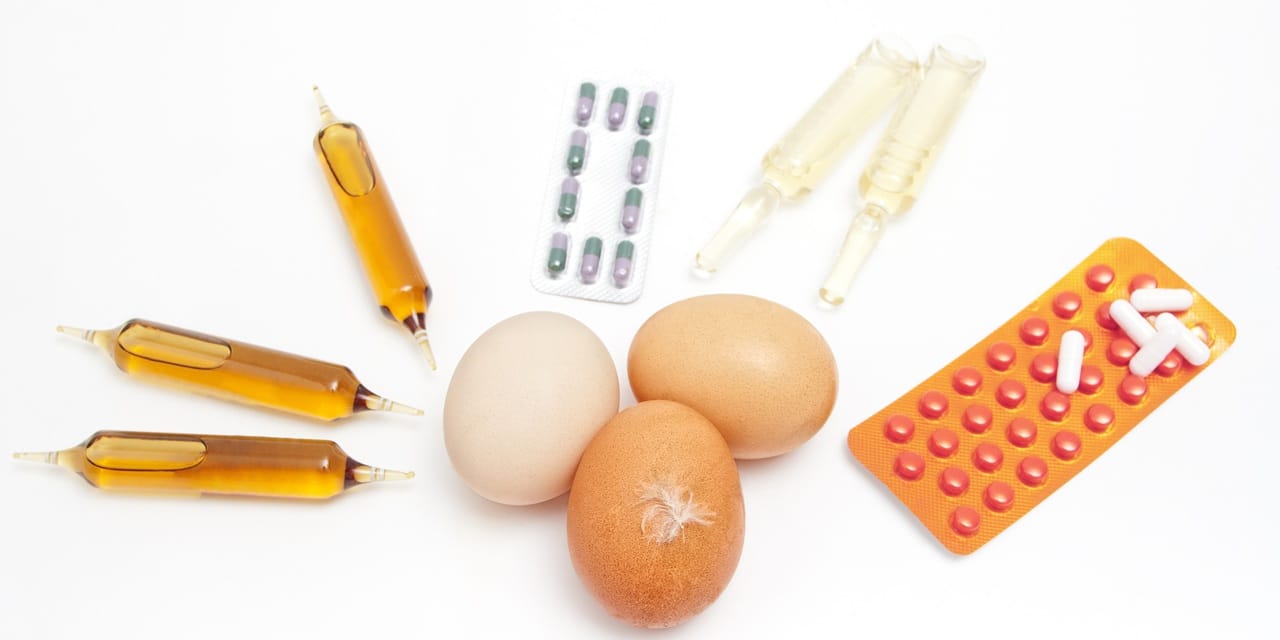
A recent report from the European Union (EU) indicates a slight increase in residues of veterinary medicines found in animal products. The data highlights the presence of both authorized and banned substances in various food items, including meat, dairy products, eggs, and honey. This finding raises concerns regarding food safety and the implications for public health.
According to the European Food Safety Authority (EFSA), the overall number of samples tested has seen a decrease, while the detection of residues has slightly risen. The report covers samples collected in 2022 and provides insights into the patterns of veterinary drug use across member states. It sheds light on the importance of stringent monitoring in maintaining food safety standards.
Details of the Findings
The report reveals that the increase in veterinary drug residues is primarily associated with specific substances that are either permitted for use or banned in the EU. For instance, residues of certain antibiotics were detected in higher quantities than in previous years. This trend could be attributed to variations in animal husbandry practices and the enforcement of regulations across different countries.
In total, the report analyzed over 100,000 samples from various sources, including farms and processing plants. While most samples complied with EU regulations, a small percentage recorded residues exceeding the maximum allowable limits. This underscores the ongoing need for enhanced regulation and oversight in the veterinary sector.
Implications for Food Safety and Public Health
The findings prompt a critical examination of the mechanisms in place for monitoring veterinary drug use. The presence of residues in food products poses potential risks to consumer health, raising questions about the effectiveness of current safety protocols. The EU’s commitment to food safety is paramount, and these findings may lead to increased scrutiny of veterinary practices and drug administration in livestock.
As the EU continues to refine its policies, stakeholders in the agricultural and food sectors are urged to prioritize compliance with existing regulations. This includes fostering awareness about the importance of responsible medicine use in animal husbandry to mitigate the risks associated with drug residues.
In conclusion, while the increase in veterinary drug residues is relatively minor, the implications for food safety are significant. Continued vigilance and regulatory enforcement will be essential in ensuring that food products remain safe for consumption. The EU’s proactive approach in addressing these findings reflects its dedication to maintaining high standards in public health and food safety.