
URGENT UPDATE: The European Union has just announced an unprecedented freeze on Russian assets in Europe to prevent Hungary and Slovakia from blocking essential funding for Ukraine. This move is designed to ensure that billions of euros are allocated to support Ukraine’s ongoing defense against Russian aggression.
In a groundbreaking decision made today, the EU indefinitely froze assets estimated at around €210 billion ($247 billion), effectively immobilizing them until Russia ceases its military operations and compensates Ukraine for damages incurred over nearly four years of conflict. EU Council President António Costa stated, “Today we delivered on our commitment to keep Russian assets immobilized.”
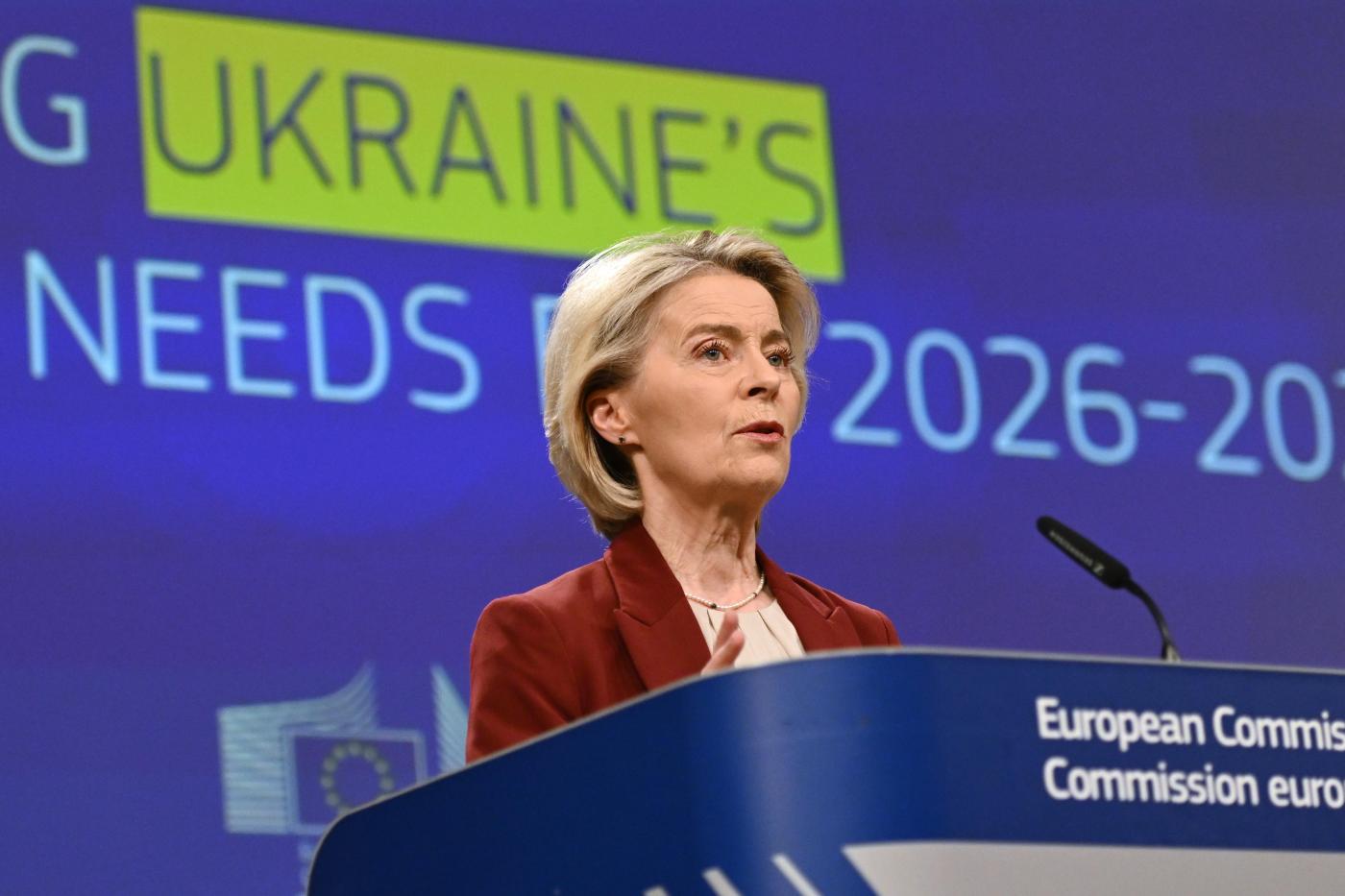
This critical action enables EU leaders to discuss at a summit scheduled for December 18, 2025, the potential use of these funds to finance a major loan intended to bolster Ukraine’s financial and military stability through 2026 and 2027. Costa emphasized, “Next step: securing Ukraine’s financial needs for 2026–27.”
The assets, primarily held in Euroclear, a Belgian financial clearing house, had been previously frozen under EU sanctions imposed after Russia’s invasion of Ukraine on February 24, 2022. These sanctions require unanimous approval from all 27 EU member states for renewal, a process that Hungary and Slovakia have historically opposed due to their alignment with Moscow.
Hungarian Prime Minister Viktor Orbán, a close ally of Russian President Vladimir Putin, condemned the EU’s decision, claiming it undermines European law. He tweeted that this move signifies the end of the rule of law in the EU and vowed to work towards restoring lawful order.
Slovak Prime Minister Robert Fico also expressed his discontent, stating in a letter to Costa that he would not support any initiatives that finance Ukraine’s military efforts. He warned that utilizing frozen Russian assets might jeopardize U.S. peace efforts intended for Ukraine’s reconstruction.
The European Commission argues that the ongoing war has severely impacted the EU’s economy, driving up energy prices and stalling growth. To date, the EU has already provided nearly €200 billion ($235 billion) in support to Ukraine, and this freeze aims to consolidate those efforts further.
Belgium, home to Euroclear, has voiced concerns regarding the potential risks of the “reparations loan” plan, urging other EU nations to share those economic and legal risks. Meanwhile, the Russian Central Bank has initiated legal proceedings against Euroclear, claiming damages from being barred from managing its assets, labeling the EU’s plans to utilize these assets as “illegal.”
This decision marks a decisive moment in the EU’s ongoing support of Ukraine, illustrating the bloc’s commitment to ensuring that vital financial resources are accessible despite political barriers. The international community is now closely watching how this situation unfolds, particularly with significant discussions set for next week.
As developments continue, the implications of this asset freeze will be felt across Europe, shaping the future of financial and military support for Ukraine in its battle against Russian forces. Stay tuned for more updates on this evolving story.