
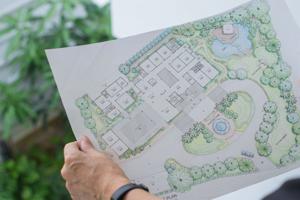
Landscape design plays a crucial role in enhancing the aesthetic appeal and functionality of residential and commercial properties. With a wealth of self-help articles and advice from experienced professionals available online, homeowners and businesses alike can benefit from sound recommendations. However, not all advice is beneficial; some can lead to future complications. This article outlines several essential guidelines to follow when designing landscapes.
Key Principles for Successful Landscaping
When embarking on a landscaping project, it is vital to understand the foundational principles that guide effective design. One of the most critical considerations is the local climate. Different regions have varying weather patterns, which significantly influence plant growth and landscape sustainability. Homeowners should select plants that are well-suited to their specific environment to ensure longevity and reduce maintenance efforts.
Another essential guideline involves considering the layout and flow of the landscape. A well-planned design should promote ease of movement and accessibility. Paths, patios, and other features should be positioned to facilitate natural traffic flow. This not only enhances the overall functionality of the space but also invites people to engage with the landscape.
Choosing the Right Plants and Materials
Selection of appropriate plants is a cornerstone of any successful landscape design. Homeowners should prioritize native or drought-resistant species as they typically require less water and are more resilient to local pests. Incorporating a variety of plants can also create visual interest and promote a healthy ecosystem.
Additionally, the materials chosen for hardscaping elements—such as pathways, walls, and patios—should complement the overall design. Durable materials that can withstand local weather conditions will reduce the need for frequent replacements and repairs.
Maintenance is another vital aspect to consider when designing a landscape. A design that requires minimal upkeep can save time and resources in the long run. Homeowners should evaluate their willingness and capacity for maintenance before finalizing their design choices.
By adhering to these fundamental guidelines, individuals can create landscapes that are not only visually appealing but also functional and sustainable. As the popularity of landscaping grows, so does the importance of informed decision-making in design. With careful planning and consideration, transforming outdoor spaces into beautiful environments is achievable for everyone.