
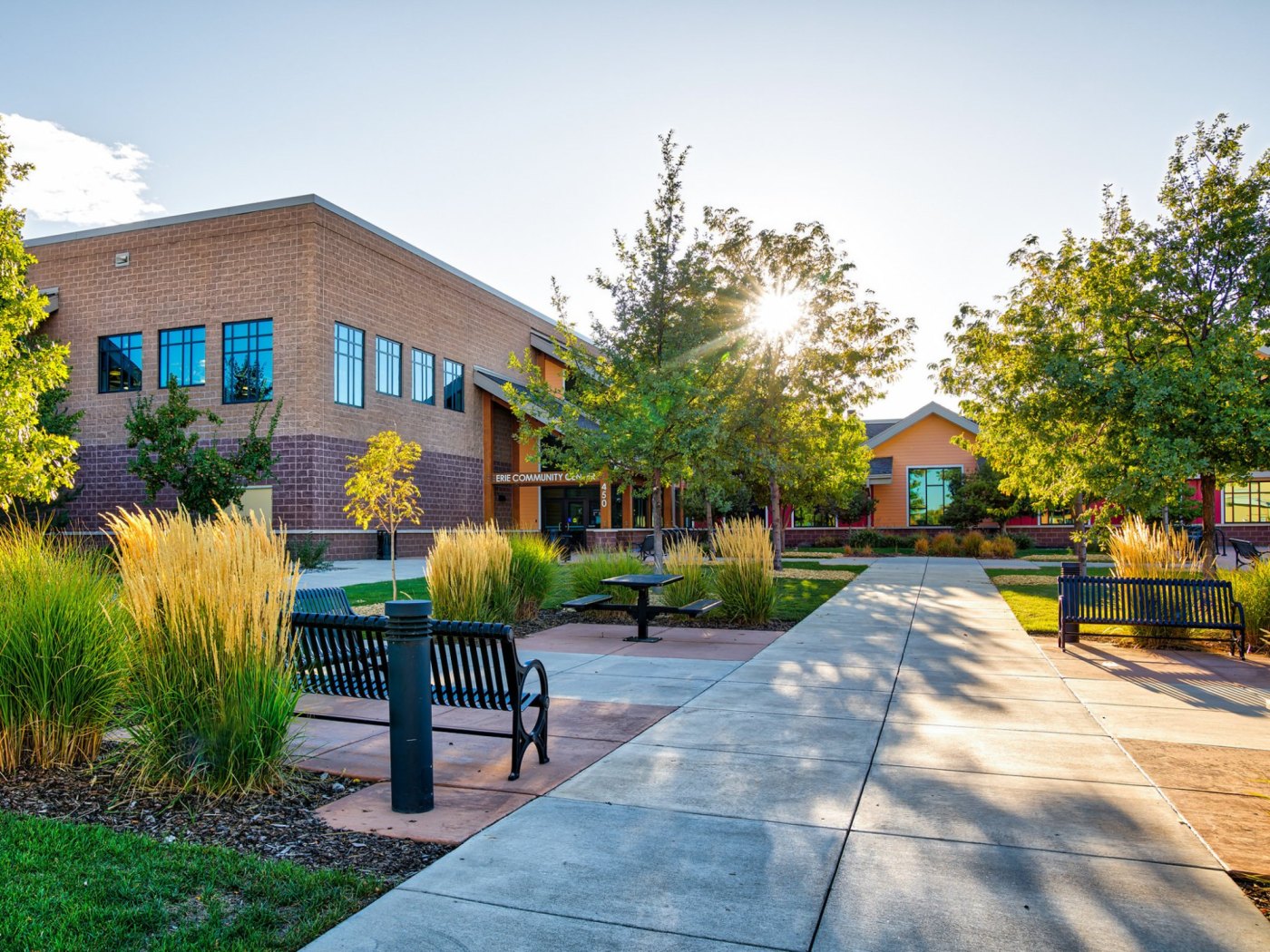
The Erie Town Council is exploring two significant tax measures that may be put to voters in the upcoming election. One proposal involves a tax increase aimed at funding an expansion and renovation of the current Erie Community Center, located at 450 Powers St., while a new lodging tax may also be introduced for future hotel developments in the area.
During a study session on January 20, 2024, council members directed town staff to collaborate with Polco, a community engagement firm, to create a survey. This survey will gauge public support for a potential tax increase to finance the community center upgrades, among other related questions that could influence residents’ opinions, as explained by town spokesperson Gabi Rae.
Opened in 2008, the Erie Community Center spans 54,000 square feet and offers various amenities, including fitness programming, a gymnasium suitable for basketball and volleyball, an indoor pool, and meeting rooms. The survey may also explore preferences on whether the funding should come from sales or property taxes, with distribution to residents expected as early as March 2024.
Should the survey reveal insufficient support for the proposed tax increase, Rae noted that the town would engage in extensive public education efforts. This would include refining the potential ballot question and resurveying residents in the summer months. Conversely, if the results indicate broad approval, the council would proceed to finalize the official ballot language by August 2024.
Project Options and Community Feedback
During its recent meeting, the council reviewed two options for the community center project. The first is a targeted expansion that would add approximately 6,000 square feet, with an estimated cost of $14.5 million. The second, more extensive option, would encompass the first option’s features while adding an additional 10,000 square feet and an estimated $12.5 million to the budget, bringing the total to $27 million.
Town officials are keen to determine whether residents would support the full funding required for the larger project. The actual amount of the proposed tax increase is still under evaluation by the town’s finance team, according to Rae.
The importance of this community-focused initiative was underscored by Erie Mayor Andrew Moore. He emphasized the need for projects that foster community gathering spaces, following recent municipal developments like the newly completed Town Hall and the expansion of the police department.
“It’s important to me that we just don’t build more government but build and support the community gathering places as well,” Moore remarked after the January 20 meeting. His comments also reflected sentiments expressed at a recent event hosted by the Erie Chamber of Commerce, where local business owners indicated they were open to the idea of a tax increase, provided they receive detailed information about costs and the implications of the tax.
“I want to see more of the details,” said Kate Busenkell, a local business owner. She expressed the need for transparency regarding how any additional funds would be spent.
Former town trustee and CADCO president Ronda Grassi stated that increased recreational space is something the community desires. “Letting the community vote on it is never a bad thing,” she added.
Lodging Tax Proposal for Future Development
In addition to the community center funding, the council is also considering a new lodging tax, which could potentially be included on the 2026 ballot, pending council approval of the ballot language in August. This tax would apply to hotel and motel stays and is designed to ensure Erie remains competitive with neighboring communities that already have such taxes in place.
Rae noted that the Polco survey will not address the lodging tax, as it is focused on a theoretical hotel that does not currently exist in Erie. “With the lodging tax, it needs less outreach because it is on a theoretical hotel and would generally tax people who are not voting residents,” she explained.
Plans for new development in the Town Center area, situated off Erie Parkway and County Line Road, include provisions for a hotel, which would be subject to this lodging tax. The proposed lodging tax is intended to be distinct from a short-term rental tax that would apply to properties listed on platforms like Airbnb and Vrbo. Currently, there are no plans to place a short-term rental tax on the 2026 ballot, as town staff continues to study the local short-term rental market and establish necessary registration and licensing processes.
As the Erie Town Council navigates these potential tax measures, the outcomes will significantly influence the future of community resources and development in the area. The upcoming survey results will be crucial in determining the path forward regarding the community center and potential lodging tax initiatives.