
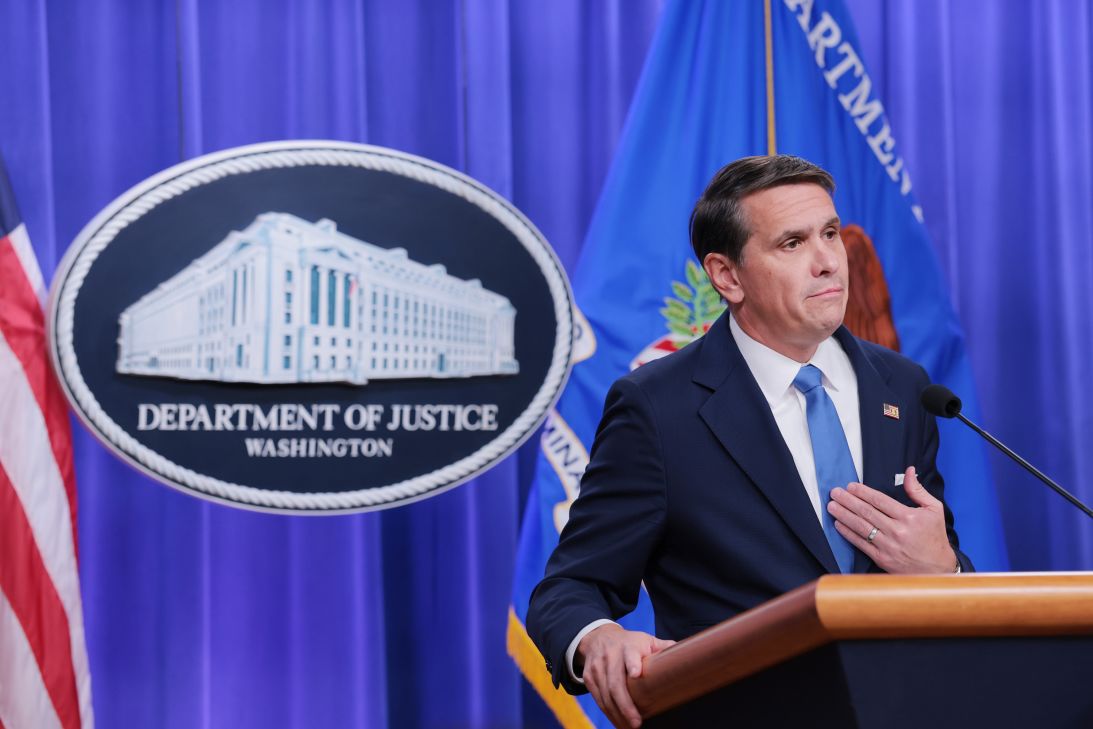
The recent release of over 3 million pages from the Jeffrey Epstein investigation has intensified public scrutiny while failing to bring justice to his survivors. This document dump, which includes emails, photographs, and videos, underscores the enduring pain experienced by Epstein’s victims. Notably, Deputy Attorney General Todd Blanche indicated on CNN’s “State of the Union” that no further prosecutions related to Epstein would occur. “We need to separate those two ideas,” he stated, referring to the files and the potential for new legal actions.
The Justice Department’s release on March 15, 2024, has fueled renewed interest in Epstein’s connections to high-profile figures, including former Presidents Donald Trump and Bill Clinton. Both men have categorically denied any knowledge of Epstein’s criminal activities, yet the newly released documents contain references that may complicate their public images. Among the findings are communications between Epstein and various elites, including details about Epstein’s connections with Prince Andrew of the British royal family.
Calls for Accountability
The fallout from the document release has prompted a strong response from lawmakers. British Prime Minister Keir Starmer has suggested that Prince Andrew should testify before Congress regarding his ties to Epstein. Allegations against Andrew are compounded by a troubling image that emerged from the latest files, showing him leaning over a woman or girl on the floor. Andrew has consistently denied all accusations, asserting that he never witnessed anything suspicious during his time with Epstein.
Despite the volume of information made public, many survivors feel betrayed. Danielle Bensky, a survivor who spoke with CNN, expressed frustration that some victims had been identified in the released documents, despite assurances of anonymity. She emphasized the need for transparency from the Justice Department, questioning, “If you’re not protecting survivors, then who are you protecting?”
The Justice Department has acknowledged that mistakes are “inevitable” given the scale of the document release. Critics argue that the lack of prosecutions raises serious concerns about how the system has handled allegations of abuse within Epstein’s network.
Ongoing Congressional Tension
As the investigation continues to unfold, tensions in Congress are rising. Lawmakers are scrutinizing the Justice Department’s compliance with a new law aimed at increasing transparency in the Epstein case. Some members are demanding a comprehensive release of all documents, while others are furious about perceived redactions. Representative Ro Khanna has expressed his frustration, labeling the situation “one of the largest scandals” in American history. He indicated that he and co-author Thomas Massie might consider contempt proceedings against officials if the Department does not improve its performance.
The documents have also sparked renewed debate about the relationships of powerful individuals with Epstein. Khanna questioned how high-profile figures could maintain connections with Epstein even after his past as a convicted sex offender became public. He stated, “There are rich and powerful people who may not have committed a crime, but who are emailing Jeffrey Epstein well after he’s a pedophile.”
Political Ramifications
The implications of the document release extend into the political realm, with the House of Representatives poised to vote on whether to hold Bill and Hillary Clinton in contempt for not complying with a subpoena related to their connection to Epstein. Clinton’s attorneys have argued that they are being unfairly targeted, calling the subpoenas “invalid and legally unenforceable.”
The situation has created a polarized environment, as some Democrats joined Republicans in supporting the contempt motion against the Clintons. Representative Jamie Raskin has criticized the piecemeal release of documents and accused Attorney General Pam Bondi of not complying with legal obligations.
The latest documents also reveal interactions involving other prominent individuals. For instance, emails show that Howard Lutnick, the Trump administration’s Commerce Secretary, was in discussions about visiting Epstein’s island years after he claimed to have severed ties. Lutnick has since denied any wrongdoing.
Similarly, Elon Musk‘s name surfaced in the documents, revealing attempts to coordinate trips to Epstein’s island, despite Musk’s assertions that he declined invitations. Musk responded on social media, clarifying his limited correspondence with Epstein.
As the investigation continues, the release of these documents remains a crucial but painful chapter in the ongoing narrative surrounding Jeffrey Epstein, leaving survivors and lawmakers alike eager for answers and accountability.