
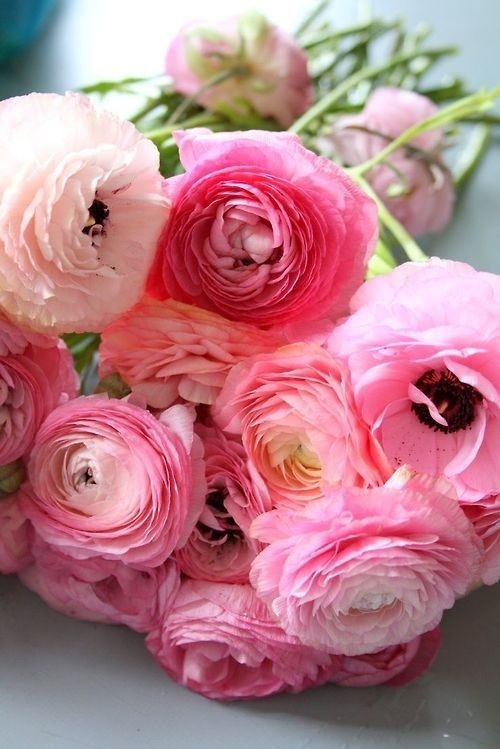
Many homeowners seek immediate ways to elevate their living spaces. According to interior designer Laura Gransberry, the simplest method is to incorporate fresh flowers and greenery. These living elements not only enhance aesthetics but also create a sense of warmth and connection to nature that hard surfaces and structured designs cannot achieve.
Bringing Life into Design
While furniture and lighting lay the groundwork for a room, it is the addition of botanical elements that truly breathes life into a space. Greenery softens harsh lines and adds an organic layer, transforming a static environment into one that feels inviting and lived-in. This is particularly important in homes that might otherwise feel overly styled or rigid.
Color plays a significant role in how flowers and plants can enhance a home. Shades of green often function as neutrals, easily pairing with various palettes, from warm wood tones to vibrant colors. For instance, a simple arrangement of leafy branches can calm a vibrant room or provide freshness to a monochromatic setting. Gransberry suggests pulling colors already present in the room for floral arrangements. If a living room features soft blush tones or warm terra-cotta accents, echoing those hues in floral displays contributes to a cohesive and intentional design.
Strategic Placement and Scale
The scale of floral arrangements is crucial. If they are too small, they may not have the desired impact; if too large, they can overwhelm the space. Striking a balance is key. In open areas like entryways or dining rooms, larger arrangements can serve as focal points. For example, a tall branch arrangement on a console table or a generous floral centerpiece can create a welcoming atmosphere and draw the eye upward, making the room feel more expansive.
Conversely, smaller arrangements, such as a single stem on a bedside table or a modest display on a bathroom vanity, add intimacy and softness. These subtle touches signal that the space has been thoughtfully curated, enhancing the overall appeal of the home.
Gransberry emphasizes that flowers and greenery should not be reserved for special occasions. Regularly integrating them into daily life can significantly transform a home. For example, kitchens can benefit from a small vase of herbs, while bathrooms can be uplifted with eucalyptus or a simple floral stem. Transitional spaces like hallways and mudrooms also lend themselves well to greenery, where low-maintenance plants can deliver a striking visual impact without requiring constant care.
The natural imperfection of fresh flowers adds to their charm. Unlike permanent decor, flowers change over time, bringing a sense of authenticity and ease to a home. As Gransberry notes, slightly asymmetrical arrangements or loosely gathered stems feel more inviting than rigid displays.
In conclusion, fresh flowers and greenery often serve as the finishing touch in well-designed spaces. They soften harsh lines, warm cool palettes, and introduce life in a way that no other accessory can. Whether one opts for bold or understated choices, these natural elements create homes that feel balanced, welcoming, and deeply personal. Ultimately, design transcends mere aesthetics; it is about how a space feels. Flowers and greenery remind us that a home should be alive, marking the essence of true beauty.
For more insights from Laura Gransberry, who specializes in transforming properties in Santa Barbara, readers can visit her website at lauragransberry.com. She can also be reached via email at [email protected] or followed on Instagram @lauragransberrydesign.