
As National Engineer’s Week approaches from February 22 to 28, 2024, Bruce W. Husselbee, Ph.D., P.E., BCEE, DBIA, reflects on his three-decade career at the Hampton Roads Sanitation District (HRSD). Husselbee, who served as chief engineer until December, emphasizes the vital role engineers play in shaping communities and enhancing the quality of life through innovative infrastructure design.
This year’s theme, “Transform Your Future,” underscores how engineering opens doors for diverse young people, encouraging them to view the profession as a creative avenue for building a better world. Husselbee has long championed this week as an opportunity to highlight the contributions of engineers and inspire the next generation of science, technology, engineering, and mathematics (STEM) students.
Over his tenure, Husselbee has witnessed a significant shift in the engineering industry, evolving from traditional utility management to a proactive approach focused on environmental preservation. He advocates for a cultural transformation within the engineering field, urging professionals to embrace innovation rather than adhere to risk-averse mindsets. “Engineering is more than just math and physics; it is a commitment to integrity and high standards that directly impacts our quality of life,” he said.
Founded in the 1940s in response to urgent water quality issues, HRSD now processes an impressive 150 million gallons of wastewater daily across 20 communities. The organization maintains over 500 miles of pipelines, 100 pumping stations, and 16 treatment plants. Husselbee expressed pride in HRSD’s ability to merge advanced technology with cost-effective solutions, ensuring reliable access to clean water for residents.
The engineers at HRSD play a critical role in protecting the environment and public health. “Without the hard-working and forward-thinking engineers at HRSD, the environment and human health of our citizens would be negatively impacted,” Husselbee stated. He highlighted that engineering serves as a silent engine supporting a healthy Chesapeake Bay, which is essential to the regional economy and lifestyle.
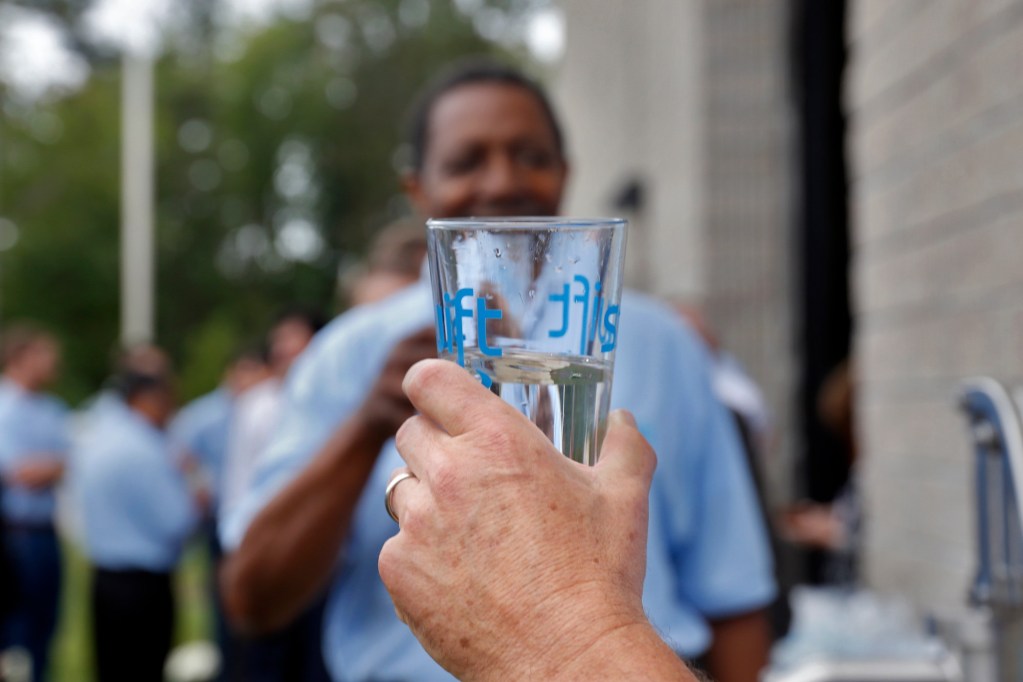
One of the most notable projects during his tenure is the Sustainable Water Initiative For Tomorrow (SWIFT), a groundbreaking program aimed at treating wastewater to drinking water standards. This $2 billion initiative includes advanced infrastructure and groundwater recharge wells designed to replenish the Potomac Aquifer. SWIFT is expected to significantly reduce nutrient discharge into the Chesapeake Bay’s tributaries, combat sea level rise, and support Virginia’s economic stability.
Husselbee identifies the greatest future challenge for the engineering profession as not being technical, but rather human. The United States currently graduates too few engineers, particularly in civil, electrical, and computer engineering fields. While artificial intelligence (AI) can enhance efficiency, he insists it cannot replace the passion and ethical judgment that a qualified engineer brings.
“AI can be an efficiency multiplier that helps engineers reduce risk,” he explained. “However, human wisdom is essential to utilize AI in ways that benefit all citizens, not just the primary stakeholders.” He stresses the importance of mentoring and inspiring the next generation of engineers, warning that neglecting this responsibility could lead to further deterioration of infrastructure and environmental health.
As Husselbee prepares for his next chapter, he calls on the community to recognize the innovation and dedication that engineers contribute daily. He believes they are the unsung heroes who will shape a sustainable future for generations to come.