
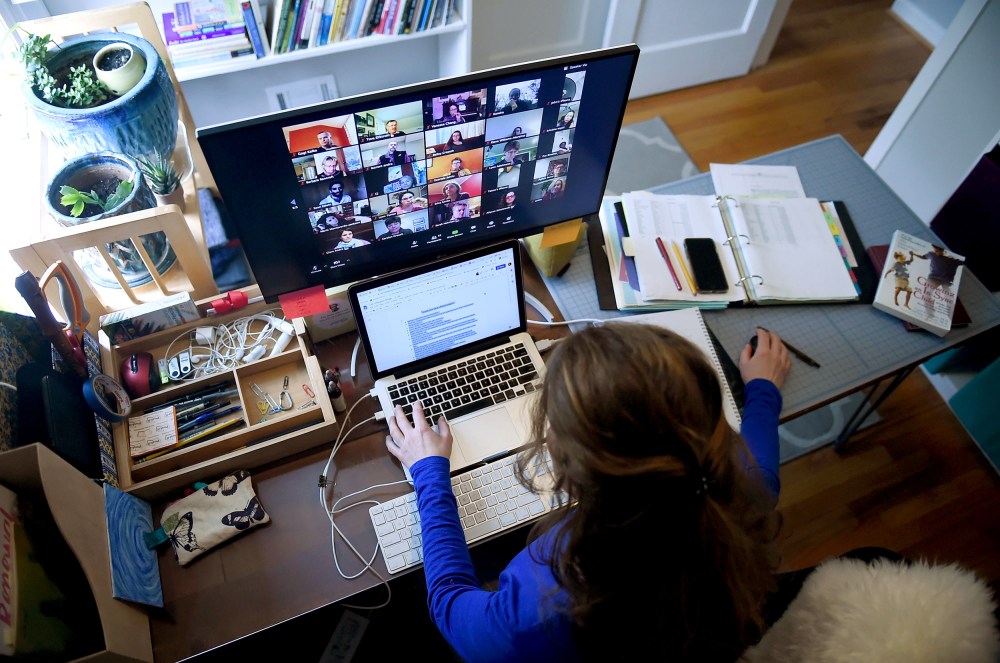
The COVID-19 pandemic has significantly impacted the workforce, particularly women, who have faced increased layoffs and job losses. Many mothers have opted to leave their positions to manage home responsibilities, leading to economic instability for their families. Despite these challenges, experts suggest that this period could be an opportunity for women to enhance their visibility in the workplace, especially as employers adapt to flexible schedules and remote work.
Embrace Authenticity in the Workplace
Maintaining a low profile may feel like a safe choice during uncertain times, but it can hinder personal and professional growth. Women, in particular, may feel inclined to keep quiet while waiting for stability to return. Yet, the current work environment necessitates every employee’s contribution. According to Kim Churches, CEO of the American Association of University Women, showcasing one’s uniqueness can create a lasting impression.
Being authentic while working remotely can foster stronger connections. As many employees lead remote teams, they have found that sharing personal aspects of their lives—like pets or family moments—has led to more relatable and memorable interactions. Embracing a blend of work and personal life can help create a more authentic workplace.
For those hesitant to share their home environment, using digital backgrounds or discussing personal insights can spark connections. This approach not only humanizes remote interactions but also promotes a culture of openness.
Foster Collaboration and Communication
Remote work often lacks the spontaneous conversations that occur in physical offices, which can lead to missed opportunities for collaboration. To counter this, organizations can implement initiatives that encourage interaction across departments. For example, hosting informal Zoom meetings or virtual coffee breaks can create a platform for employees to connect without a formal agenda.
Churches emphasizes the importance of building community within remote teams, particularly for new hires. Creating welcoming virtual environments can help integrate new employees and establish networks that might otherwise be difficult to form.
Moreover, utilizing instant messaging to check in with colleagues can preserve connections and maintain a sense of camaraderie, which is essential in a remote setting.
Assert Your Voice
Despite the change in format from physical meetings to virtual ones, the entrenched dynamics that hinder women’s voices from being heard remain. Bias can still be prevalent in online environments, leading to women being interrupted or having their ideas appropriated. To navigate this, employees can leverage all available tools, such as chat functions and hand-raising features during video calls.
Meeting organizers can also play a vital role by encouraging participants to submit ideas beforehand and ensuring all voices are acknowledged during discussions. This proactive approach can help mitigate the risk of dominant voices overshadowing contributions from others.
Set Boundaries for Success
While the desire to take on additional tasks may stem from a wish to be noticed, overextending oneself can lead to burnout and diminished visibility. Instead, employees should advocate for their professional development by scheduling meetings with supervisors to discuss role expansion and its potential benefits for both the individual and the organization.
Focusing on prioritizing high-impact tasks can lead to greater recognition and investment from employers. By articulating how one’s expanded role can support the company’s objectives, employees can position themselves as invaluable assets.
As workplaces continue to evolve in response to the pandemic, the strategies outlined by Churches provide a roadmap for remote workers looking to enhance their visibility and engagement. By embracing authenticity, fostering collaboration, asserting their voices, and setting clear boundaries, women can navigate current challenges and emerge stronger within their organizations.