
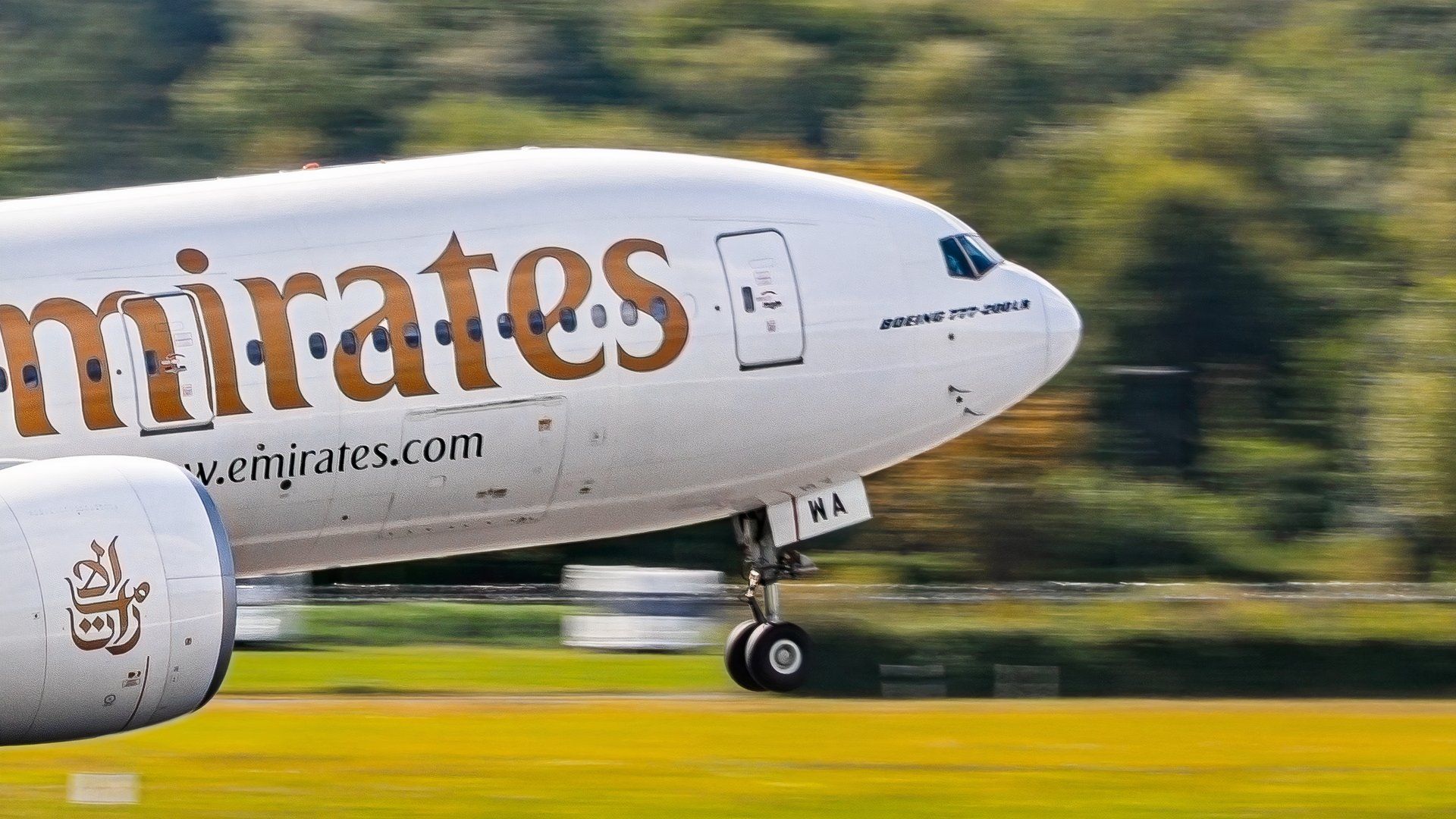
Emirates Airlines is set to implement significant changes to its U.S. flight network, introducing daily services with the smaller Boeing 777-200LR aircraft to Seattle starting on March 29, 2026. This shift marks a notable equipment swap from the larger Boeing 777-300ER, which has been the primary aircraft on this route. As a result of this transition, Emirates will now offer its longest nonstop route operated by the 200LR model, surpassing its fifth freedom service connecting Barcelona and Mexico City.
The adjustment also entails a reduction in service capacity. Emirates plans to decrease overall summer seat availability to Seattle by 8%, eliminating first-class cabins on this route. This change reflects a strategic response to fluctuating passenger demand, as the airline simultaneously increases its service frequency to Orlando with another weekly 777-300ER flight.
Flight Capacity and Historical Context
The frequency of Emirates flights to Seattle varies throughout the year. From January to March, the airline will operate primarily six flights weekly, down from daily flights in the same months of 2025. However, this frequency will return to daily during the summer months, a period running from March 29 to October 24, 2026, according to IATA slot seasons.
In total, Emirates will provide 126,840 round-trip seats to and from Seattle during this summer period, reduced from the previously planned 137,600 seats. The removal of first-class options will account for a loss of 3,360 seats, although this is not as significant as it may seem; first-class service was not available from the route’s inception in March 2012 until the pandemic years.
Since its launch, Emirates has consistently operated the 200LR and 300ER on the Seattle route. According to data from Cirium, the 200LR was used from 2012 to 2018 and returned in 2021. In total, Emirates has scheduled 1,284 departures from Dubai to Seattle over nearly 14 years, making Seattle one of its most frequented destinations for the 200LR model.
Passenger Trends and Strategic Adjustments
Recent reports indicate that Emirates carried 141,200 round-trip passengers to Seattle between January and September 2025, with an average load factor of just 73%. This figure reflects a significant drop in capacity utilization, with load factors dipping as low as 62% to 70% during certain months. The best month for passenger numbers was July, achieving an 83% load factor, prompting the airline to reconsider its operational strategies.
Booking data reveals that approximately three-quarters of passengers connecting through Dubai were headed to destinations in India. The most popular connecting flights included Seattle to Delhi, Bengaluru, and Hyderabad, highlighting the strong demand for travel between the U.S. and Indian markets.
With these changes, Emirates continues to adapt its operations to meet shifting passenger needs and market dynamics. The airline’s commitment to its Seattle route remains evident, despite the recent downgrades in service capacity and changes in aircraft type.