
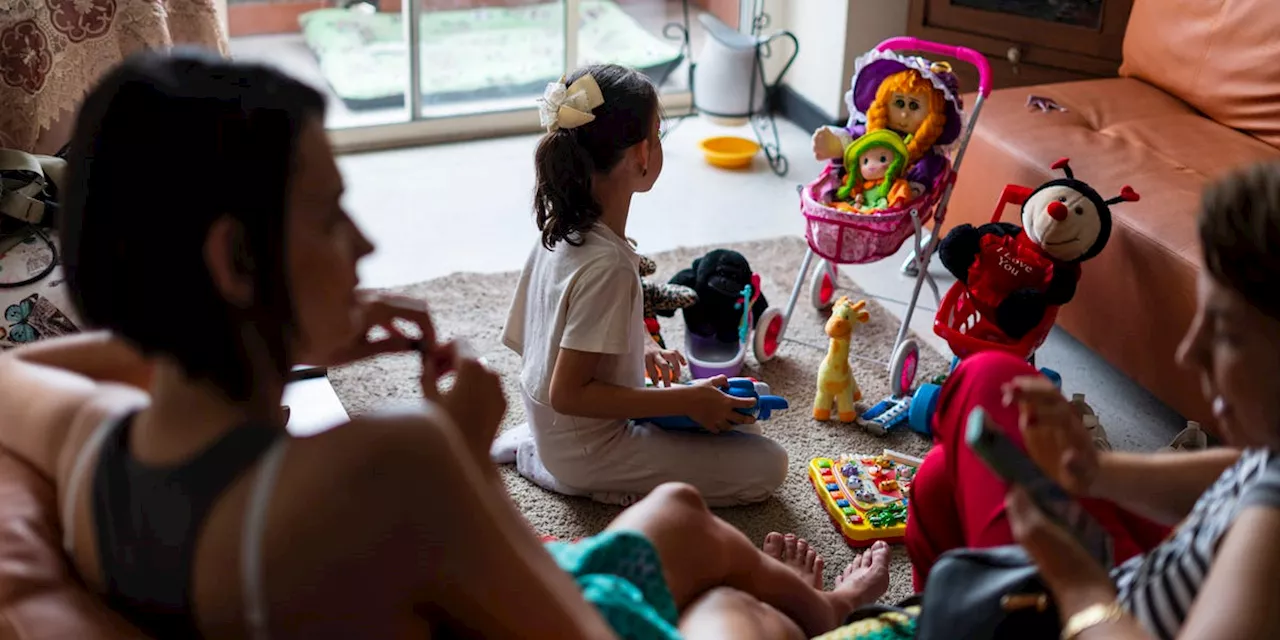
A 57-year-old grandmother in the United States is navigating the challenges and joys of raising her six grandchildren in a multigenerational household. This shift in her life has led her to reassess her personal goals and redefine her purpose, as her days are now filled with childcare responsibilities rather than the leisurely pursuits she once envisioned.
Living with her adult daughter and her children, the grandmother has taken on the primary role of caregiver. The dynamic of the household means that while her daughter and son-in-law work, she manages the daily routines of the children, which include everything from preparing meals to ensuring that school-aged grandchildren are ready and on time.
Her typical morning begins at 6 a.m., a time when she must quickly shift gears to manage the busy household. She prepares her oldest grandson for his bus ride, while simultaneously attending to the needs of two preschoolers and a toddler. The morning chaos can be overwhelming, especially when unexpected disruptions occur, such as misplaced belongings or sudden sounds that wake the youngest child.
Over time, the grandmother has recognized the toll that this lifestyle can take on her mental and emotional well-being. During one particularly demanding day, she found herself feeling burnt out after hours of managing the household. This moment became a turning point, prompting her to confront the challenges of her new role as the family anchor.
To improve her situation, she implemented a structured routine, setting a firm bedtime of 9 p.m. This change allowed her to dedicate time to self-care and rest, enabling her to wake up early and enjoy a quiet moment before the children start their day. This early morning solitude has been invaluable, helping her to feel more grounded and prepared for the day ahead.
The grandmother has also adopted some of the life lessons she imparts to her grandchildren, including the mantra, “Done is better than perfect.” By lowering her self-imposed expectations, she has learned to manage her responsibilities without overwhelming herself. For instance, tasks like laundry can be postponed, allowing her to embrace a more flexible approach to daily chores.
While she cherishes her family and the opportunity to support her daughter, the grandmother sometimes grapples with feelings of nostalgia for her previous lifestyle. The longing for a quieter, more orderly home can lead to moments of frustration. However, she emphasizes the importance of unconditional love that exists within the bustling environment.
Reflecting on her nearly six decades of life, she acknowledges that reality often diverges from expectations. Letting go of preconceived notions about midlife can be challenging, yet it is a choice she actively embraces. The grandmother finds fulfillment in her role, recognizing the significance of contributing to the growth and development of her grandchildren.
This chapter of her life, marked by its messiness and unpredictability, is ultimately defined by love and connection. The grandmother’s journey illustrates the complexities of multigenerational living, highlighting both the challenges and joys of supporting family in a shared home. Her story serves as a reminder of the meaningful impact that familial bonds can have in shaping lives.