
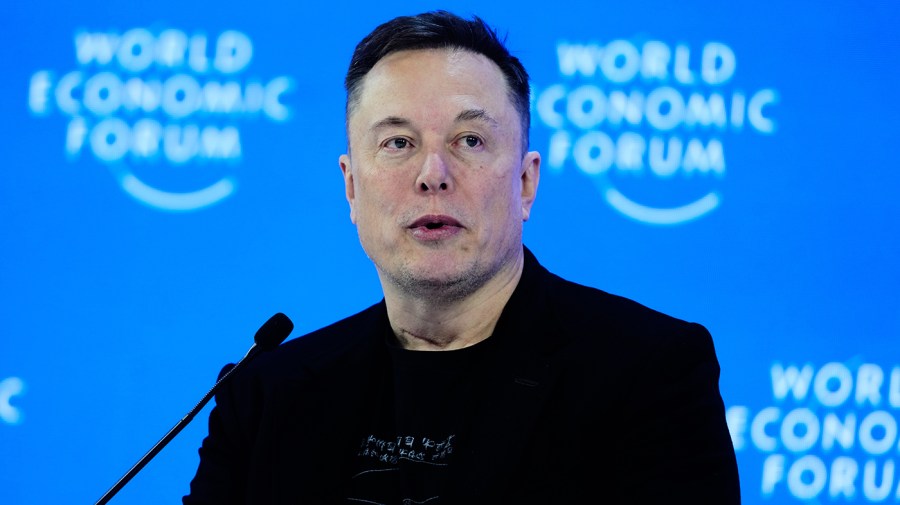
Billionaire entrepreneur Elon Musk has reentered the political landscape by making substantial financial contributions to the Republican Party ahead of the 2026 midterm elections. Musk’s renewed involvement comes after he previously indicated a desire to step back from political donations, raising questions about his influence on the upcoming electoral cycle.
In a significant shift, Musk’s donations are expected to provide a crucial boost to Republican candidates as they prepare for what many consider to be a pivotal election. The Tesla CEO had previously funneled hundreds of millions into the 2024 election, making his latest financial commitments noteworthy. His recent actions suggest a change of heart, potentially impacting the Republican National Committee’s (RNC) strategies and funding as they gear up for the challenging political landscape.
Musk’s financial support aligns with his broader interests, which often intersect with political issues, including technology policy, energy initiatives, and space exploration. His involvement in politics has been marked by a mix of advocacy and controversy, with his statements and actions frequently attracting significant media attention.
Financial Impact on the Republican Party
The infusion of funds from Musk could have wide-ranging implications for the Republican Party as candidates aim to secure their positions in Congress. Analysts suggest that his contributions might enhance the GOP’s visibility and competitiveness in key battleground states. Without Musk’s financial backing, some party members feared a potential decline in resources, particularly as they face stiff competition from Democratic candidates.
According to financial disclosures, Musk’s donations are part of a broader trend of wealthy individuals exerting influence over U.S. elections. The influx of capital from high-profile donors can shape campaign narratives and priorities, underscoring the intricate relationship between money and politics in the United States.
Musk’s past political donations have sparked debates about the role of billionaires in shaping policy and public opinion. His ability to mobilize resources quickly has made him a pivotal figure, particularly among conservative circles. As the midterms approach, his influence is likely to be felt not only through financial means but also through his substantial social media presence, which can sway public perception and galvanize voter support.
Future Implications and Voter Sentiment
With the 2026 midterm elections on the horizon, the implications of Musk’s financial involvement extend beyond immediate electoral outcomes. His contributions may set a precedent for other wealthy individuals considering political engagement. The ongoing discussion about campaign finance reform may gain renewed vigor as voters and policymakers reflect on the influence of affluent donors in shaping electoral processes.
Public sentiment regarding Musk’s political involvement remains mixed. While some view his participation as a necessary aspect of democratic engagement, others express concerns about the potential for undue influence over elected officials. As the political climate evolves, the ramifications of his donations will likely unfold in real-time, capturing the attention of voters and analysts alike.
As the political landscape continues to shift, Musk’s actions serve as a reminder of the complex interplay between wealth, influence, and governance in contemporary society. The outcome of the 2026 midterms may depend not only on the candidates’ platforms but also on the financial support that can be mobilized in the months leading up to the elections.