
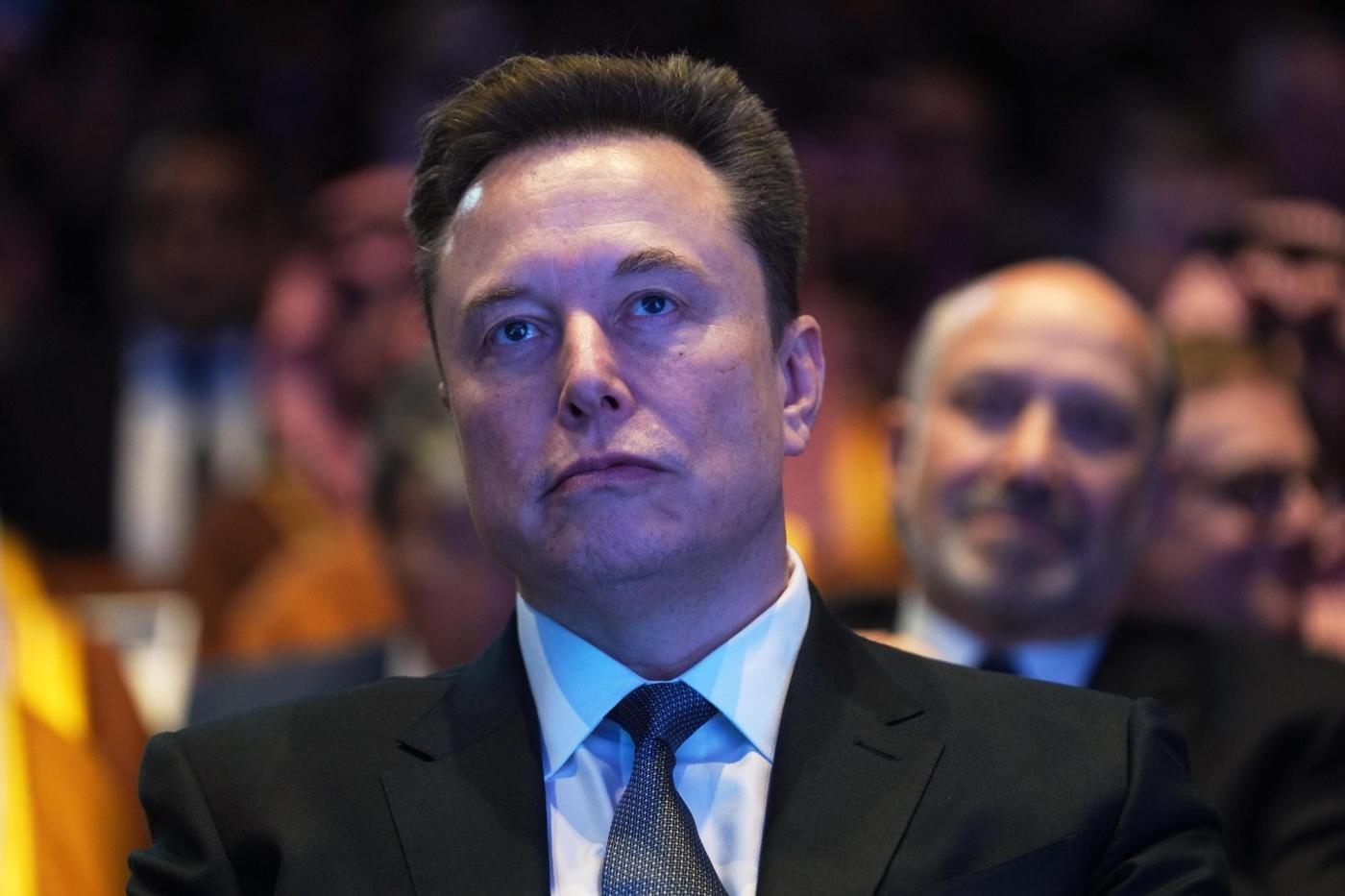
UPDATE: In a startling revelation, billionaire entrepreneur Elon Musk acknowledged that his leadership of the Department of Government Efficiency was only “somewhat successful” and expressed he would not take on the challenge again. This statement emerged during a recent interview on the Katie Miller Podcast, raising eyebrows in the tech and political spheres.
Musk, who is renowned for his roles as CEO of Tesla and SpaceX, reflected on his time with the controversial agency, which he left earlier this year. He admitted that his involvement in handling DOGE was a costly endeavor for his businesses, stating, “I don’t think so. … Instead of doing DOGE, I would have, basically, built … worked on my companies.”
The interview, which lasted over 50 minutes, covered a range of topics including Musk’s insights on artificial intelligence, social media, and even fashion. However, it was his comments about DOGE and its impact on federal efficiency that caught the most attention.
Musk claimed that the agency could save the government as much as $200 billion annually by eliminating “zombie payments” through improved automation and coding. Despite this, he noted that these savings fell short of his earlier aspirations, which suggested potential savings in the trillions.
As he reflected on past challenges, Musk lamented, “They wouldn’t have been burning the cars,” referencing consumer protests against Tesla related to quality issues. His candid remarks underscore the difficulties of enacting rapid changes within the federal government, a sentiment echoed by many who have attempted similar reforms.
Currently, Musk’s fortunes appear to be on the rise again, with news that Tesla shareholders approved a compensation package that could position him as the world’s first trillionaire.
Following his departure from Trump’s administration, where the DOGE initiative was highly scrutinized, Musk’s focus has returned to his core businesses, igniting speculation about his next moves in the tech industry.
In the wake of these revelations, industry analysts and fans alike are eager to see how Musk will pivot from this chapter and what it means for his companies and public projects moving forward.
As discussions about government efficiency and the role of technology in public service continue to evolve, Musk’s insights provide a unique perspective on the intersection of business and government in today’s rapidly changing landscape.
Stay tuned for more updates as this story develops.