
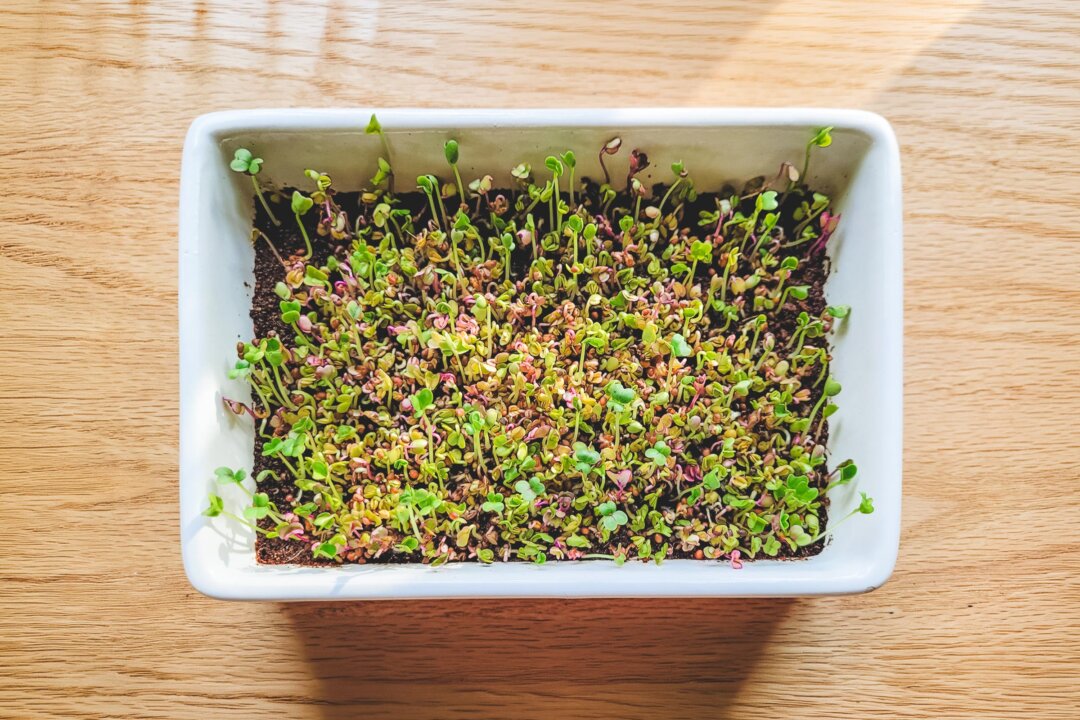
Microgreens and sprouts are gaining popularity not just as garnishes but as powerful additions to everyday meals. With their rich nutrient profiles, these young plants can contain higher concentrations of vitamins and minerals compared to their mature counterparts. Their vibrant colors and crisp textures can elevate even the simplest dishes, making them an appealing choice for home cooks seeking to enhance their culinary creations.
Growing microgreens and sprouts at home allows individuals to exert control over their food sources, ensuring freshness and quality. Understanding the differences in growing time, harvest stages, and edible parts of these plants can lead to a more rewarding gardening experience.
Understanding Microgreens and Sprouts
Microgreens are young plants harvested shortly after their first true leaves appear, usually within 7 to 21 days after germination. Common varieties include basil, radish, and beet. They are typically grown in shallow trays or containers, requiring only a small amount of space, making them ideal for urban dwellers or those with limited gardening experience.
Sprouts, on the other hand, are germinated seeds that are eaten before they develop into young plants. They are generally ready for consumption within 3 to 7 days and include varieties such as alfalfa, mung bean, and broccoli. Unlike microgreens, sprouts do not require soil for growth, often thriving in jars or specialized sprouting trays.
Both microgreens and sprouts offer substantial health benefits. Research indicates that they are rich in vitamins, antioxidants, and other micronutrients. For instance, studies have shown that some microgreens can contain up to 40 times the nutrients of mature vegetables. This makes them a valuable addition to salads, sandwiches, and smoothies.
The Nutritional Advantages
The health benefits of incorporating microgreens and sprouts into the diet are significant. They are particularly high in vitamins A, C, and E, as well as essential minerals like iron, calcium, and magnesium. These nutrients support overall well-being, including improved digestion and enhanced immune health.
In addition to their impressive nutrient profiles, microgreens and sprouts provide a delightful textural contrast to dishes. A small handful can add a burst of flavor and freshness, transforming a simple bowl of greens into a vibrant meal. Their unique tastes can vary widely, from the peppery bite of arugula microgreens to the mild crunch of alfalfa sprouts.
For those interested in kitchen gardening, growing microgreens and sprouts is not only a rewarding endeavor but also a sustainable choice. It allows consumers to reduce their carbon footprint by minimizing food miles and packaging waste. Furthermore, cultivating these plants at home ensures that they are free from pesticides and other harmful chemicals.
To begin growing microgreens and sprouts, one does not need extensive gardening knowledge or experience. Simple steps, such as selecting quality seeds, providing adequate moisture, and ensuring proper light conditions, can lead to successful growth. Many gardening supply stores offer kits specifically designed for beginners, making it even easier to get started.
In conclusion, microgreens and sprouts are more than just decorative elements on a plate. Their high nutrient content and versatility make them valuable additions to a healthy diet. As more people seek to enhance their meals and promote sustainability, cultivating these young plants at home may become an increasingly popular trend.