
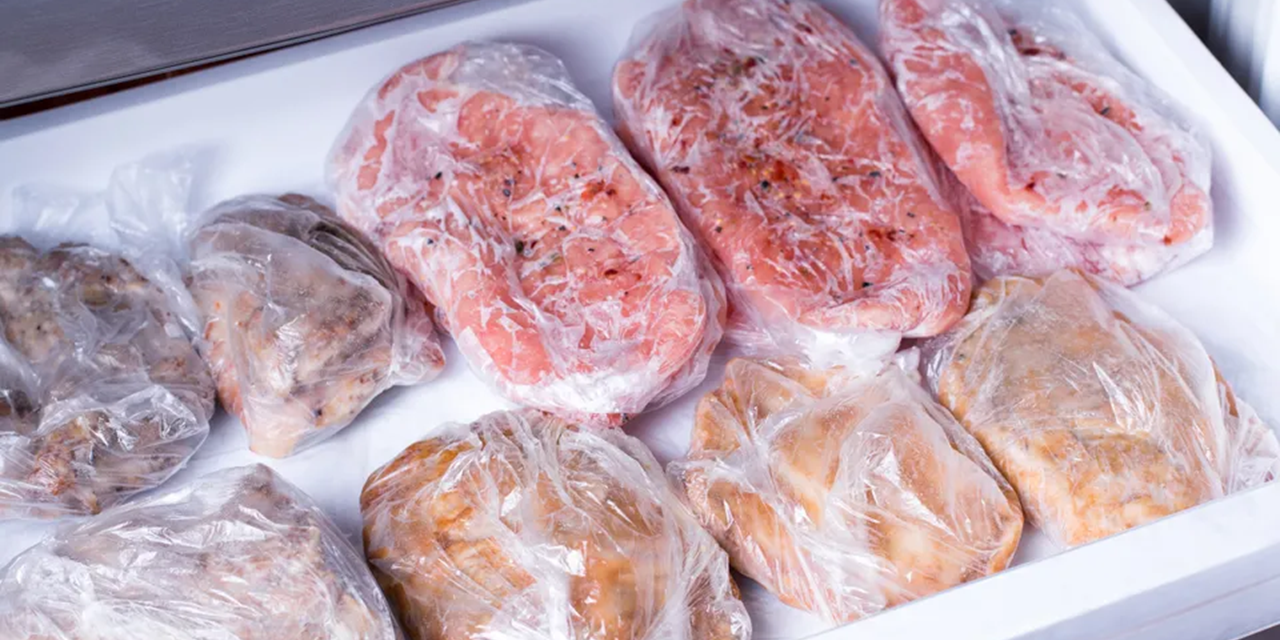
The European Food Safety Authority (EFSA) has conducted a comprehensive risk assessment focusing on bacterial growth in meat from cattle, sheep, and pigs. This evaluation examined various storage and defrosting conditions, aiming to enhance food safety practices across the meat industry. The findings, which shed light on how bacteria thrive under different scenarios, are crucial for food safety regulations.
The assessment analyzed bacterial growth in five distinct scenarios regarding chilling, storage, and defrosting processes. It specifically investigated the behavior of pathogenic, spoilage, and indicator microorganisms during these stages. While the study provided valuable insights, it did not encompass steps taken post-thawing at the level of food business operators.
Key Findings of the Assessment
The EFSA’s report emphasized the significant impact that storage conditions have on bacterial proliferation. For instance, the temperature at which meat is stored plays a pivotal role in determining the extent of bacterial growth. The assessment highlighted that improper storage could lead to an increase in pathogenic microorganisms, posing health risks to consumers.
Additionally, the study noted that different types of meat exhibit varying susceptibility to bacterial growth. The analysis of meat from different livestock species revealed distinct patterns of microbial activity. Understanding these differences is vital for establishing tailored safety measures within the meat supply chain.
Implications for Food Safety Regulations
These findings are expected to influence food safety regulations across the European Union and beyond. The EFSA aims to provide guidance based on this assessment, which can assist food business operators in developing effective handling and storage protocols. By addressing the conditions under which bacteria flourish, the assessment offers a pathway to reducing foodborne illnesses associated with meat consumption.
In conclusion, the EFSA’s risk assessment serves as an important tool for enhancing food safety in the meat industry. With a focus on bacterial growth under various conditions, this study underscores the need for stringent food safety practices and informed decision-making at all levels of the supply chain. Continuous monitoring and adherence to recommended guidelines will be essential to safeguarding public health.