
Early detection plays a vital role in the fight against cancer, according to a letter to the editor in the Los Angeles Times responding to an article about improving cancer survival rates. The letter emphasizes that while survival rates have increased nationwide, educational and cultural barriers still affect some communities, leaving them at a disadvantage.
Understanding Cancer’s Impact
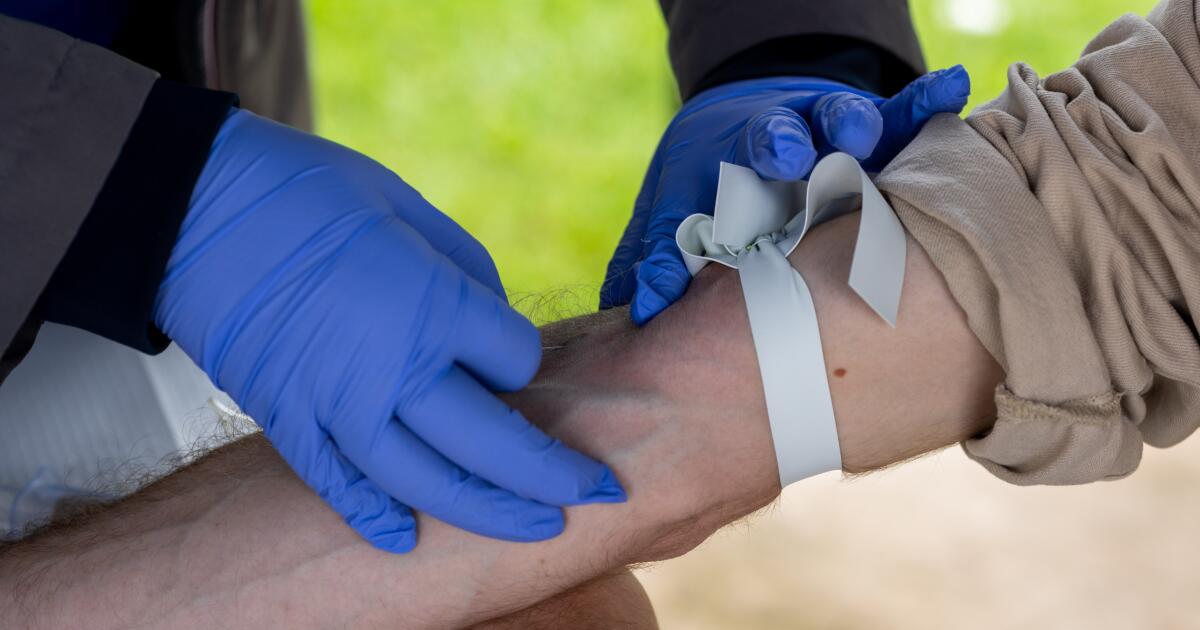
In the United States, cancer remains a leading cause of death, second only to heart disease. Among men, prostate cancer is particularly concerning, ranking as the most common cancer after skin cancer and the second most deadly. Despite its prevalence, prostate cancer is easily detectable, primarily through a yearly prostate-specific antigen (PSA) blood test. This simple procedure can lead to early intervention, significantly improving treatment outcomes.
Doug Weiskopf, a resident of Burbank, shared his personal experience with prostate cancer detection. He was diagnosed in 2017 and credits early detection for his current cancer-free status. His story highlights the importance of regular screening and adherence to medical advice, especially for men over the age of 40.
The Call for Screening
Weiskopf strongly advocates for men to undergo the PSA blood test annually. He believes that timely detection can save lives and urges others to prioritize their health. “I was fortunate to have my prostate cancer detected before it was too late to treat,” he stated. “Today, I’m cancer-free.”
His message resonates with the growing body of research that emphasizes the significance of early detection in cancer treatment. According to health officials, routine screenings can help identify cancers at earlier stages when they are more treatable, thus enhancing survival rates.
As awareness around cancer screening increases, it remains crucial to address the barriers that prevent some individuals from accessing these life-saving tests. By promoting education and access to medical resources, communities can work towards improving cancer outcomes for all.
Weiskopf’s experience exemplifies how early detection can be a powerful weapon in combating cancer. Men are encouraged to discuss their screening options with healthcare providers to ensure they take proactive steps towards maintaining their health.