
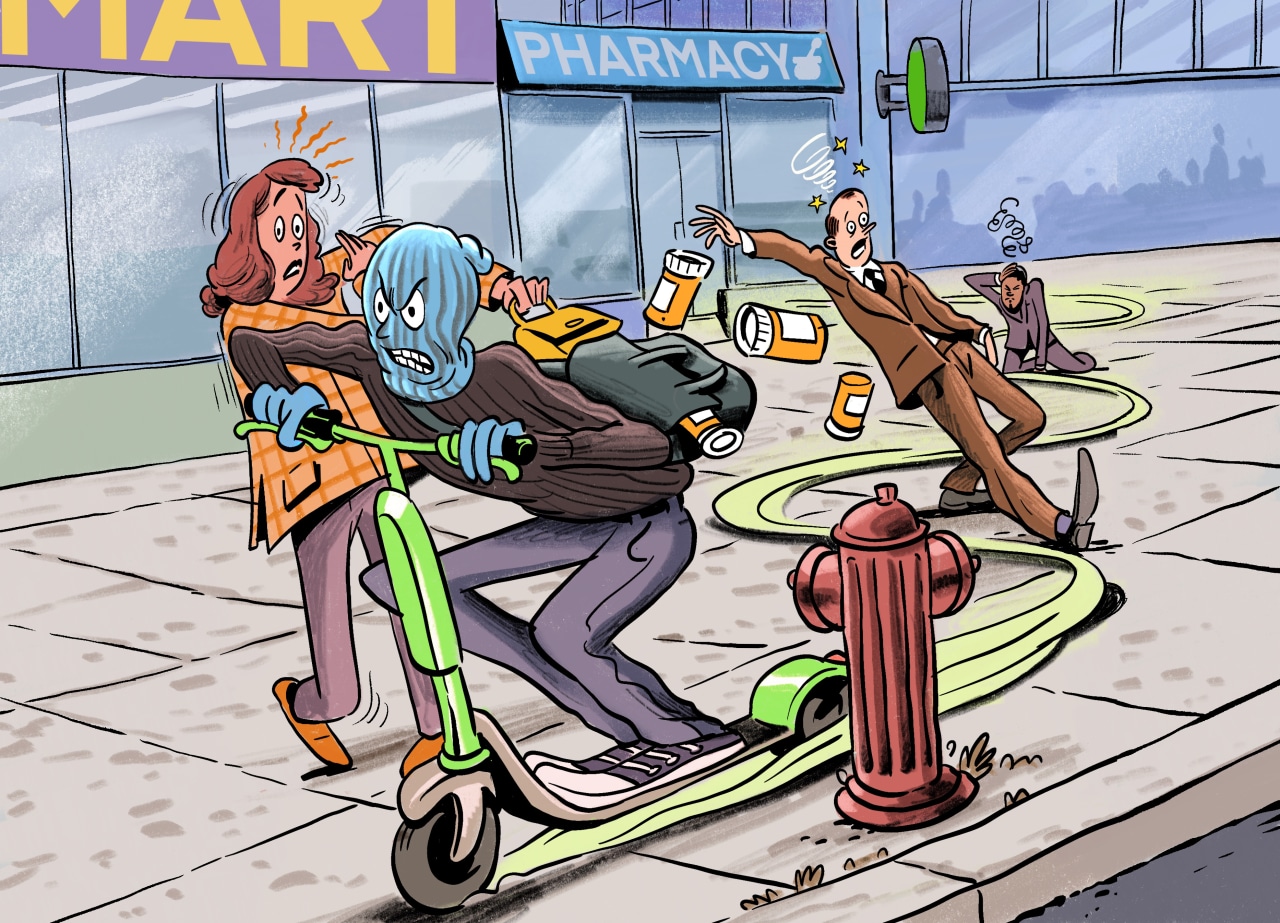
The introduction of rental e-scooters in certain neighborhoods of Chicago has been associated with a significant increase in crime rates. A recent study conducted by researchers at the University of Illinois revealed that crime rose nearly 18% in areas where these scooters were deployed. This alarming trend raises questions about the implications of e-scooter rentals on urban safety.
The study analyzed crime statistics before and after the introduction of rental scooters, focusing on neighborhoods that had not previously experienced high rates of scooter usage. Researchers found that the increase in crime coincided with the scooters’ arrival, particularly in areas with less surveillance and fewer police patrols.
Areas such as West Englewood and South Shore reported notable spikes in incidents ranging from theft to violent crimes. The Chicago Police Department has acknowledged these findings, stating that they are taking steps to enhance safety measures in neighborhoods impacted by the influx of e-scooters.
As cities around the world look to e-scooters as environmentally friendly transportation alternatives, this study highlights the need for comprehensive assessments of their societal impacts. Experts suggest that city planners and policymakers should consider implementing stricter regulations on e-scooter rentals to mitigate potential risks.
Economic implications are also significant. The e-scooter market has burgeoned, with companies investing heavily in fleets across major cities. However, the potential for increased crime may deter residents and tourists from utilizing these services.
As rental scooters proliferate, understanding their effects on urban crime will be crucial for maintaining public safety. The dialogue surrounding e-scooter regulation must not only focus on their convenience and eco-friendliness but also address the safety concerns they may inadvertently introduce.
This study serves as a pivotal reminder of the complex relationship between innovation and urban safety. As cities continue to adapt to new transportation methods, the balance between accessibility and security remains a critical consideration.