
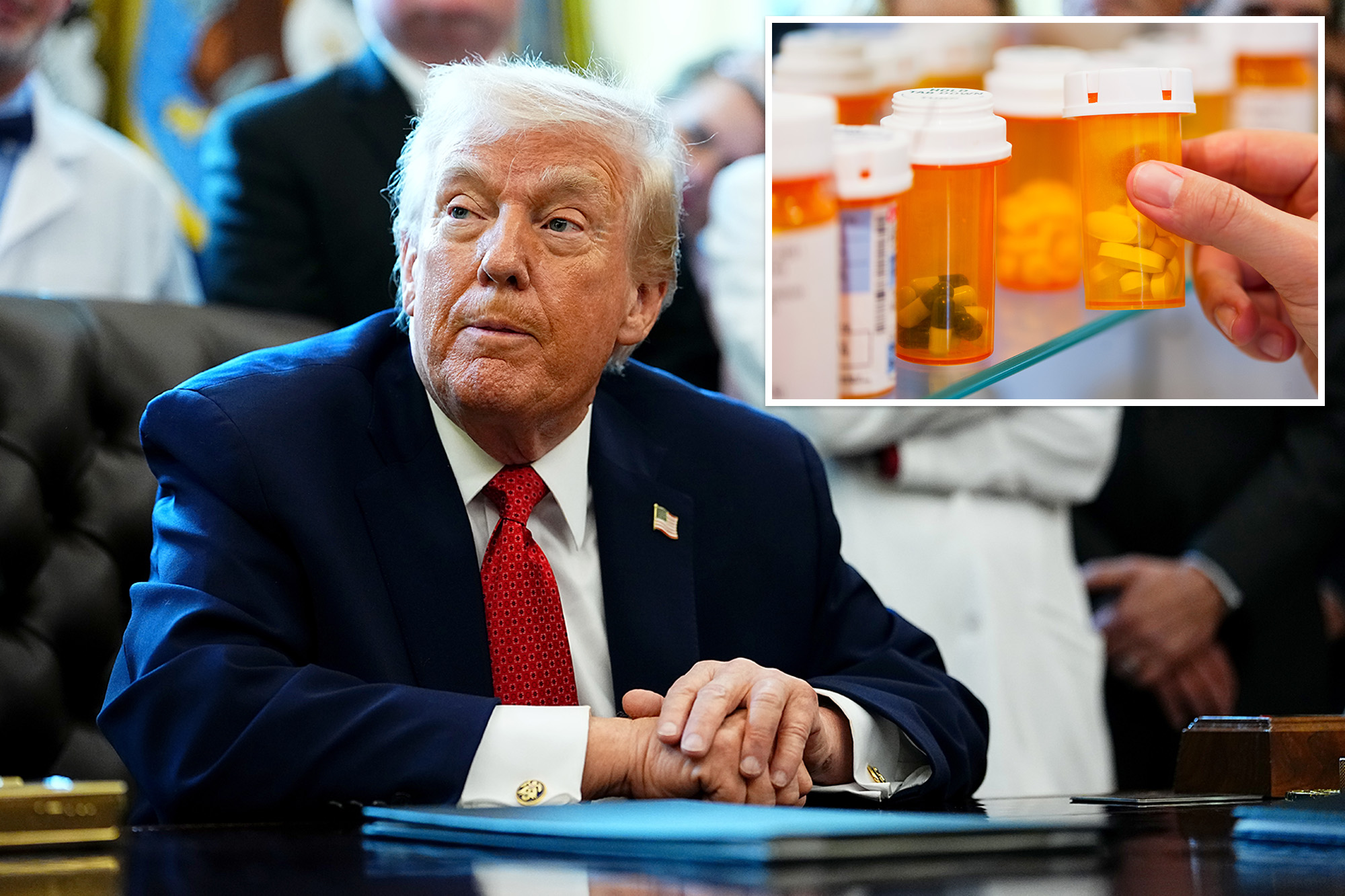
Pharmaceutical companies are set to increase the prices of at least 350 branded medications in the United States, including vaccines for COVID-19, respiratory syncytial virus (RSV), shingles, and the cancer treatment Ibrance. This decision comes despite ongoing pressure from former President Donald Trump, who has urged drugmakers to reduce prices. The information was revealed by healthcare research firm 3 Axis Advisors.
The number of planned price increases for 2026 marks a significant rise from last year, when more than 250 drugs were set for price hikes. The median increase for this year is projected at around 4%, consistent with the trends observed in 2025. Notably, these increases do not take into account any rebates for pharmacy benefit managers or other discounts that may apply.
In contrast to the planned price hikes, some companies, including Boehringer Ingelheim and Eli Lilly, are expected to lower the list prices of approximately nine medications. This includes a drastic cut of over 40% for the diabetes drug Jardiance and its related treatments. These reductions come as part of negotiations with the U.S. government to secure lower prices for Medicare beneficiaries aged 65 and older, with Jardiance’s negotiated price dropping by two-thirds.
Patients in the United States currently face the highest prescription drug costs globally, often paying nearly three times more than individuals in other developed countries. In light of this, Trump has been advocating for drug prices that align more closely with those in similarly affluent nations. The upcoming increases on 350 medications persist even as Trump has negotiated lower prices with 14 pharmaceutical companies for the government’s Medicaid program, intended for low-income citizens.
Among the companies planning price hikes, Pfizer stands out with around 80 different drugs facing increases, including Ibrance, migraine medication Nurtec, and the COVID-19 treatment Paxlovid. Most of Pfizer’s price hikes are below 10%, but the company has announced a 15% increase for its COVID vaccine Comirnaty. Some of its lesser-cost hospital drugs are witnessing increases of over four times their previous prices. Pfizer stated that the average list price for its innovative medicines and vaccines for 2026 is below the overall rate of inflation, emphasizing that the adjustments are necessary to support ongoing research and development efforts.
The landscape of pharmaceutical pricing in the U.S. has evolved significantly in recent years, as drugmakers have faced mounting criticism from lawmakers and new government policies. These policies include penalties for companies whose prices for Medicare drugs increase faster than inflation. European drugmaker GSK is also planning to increase prices on around 20 drugs and vaccines, with hikes ranging from 2% to 8.9%. GSK has articulated a commitment to reasonable pricing, asserting that these increases are essential for fostering scientific innovation.
Both Sanofi and Novartis have not yet responded to inquiries regarding their price adjustments. Further adjustments to drug prices are anticipated in early January, which traditionally marks a peak period for price increases among pharmaceutical companies.
3 Axis Advisors, a consulting firm that collaborates with pharmacist groups, health plans, and certain industry stakeholders, provided the data regarding these price changes. The firm is connected to the non-profit organization 46brooklyn, which focuses on drug pricing and supply chain issues.