
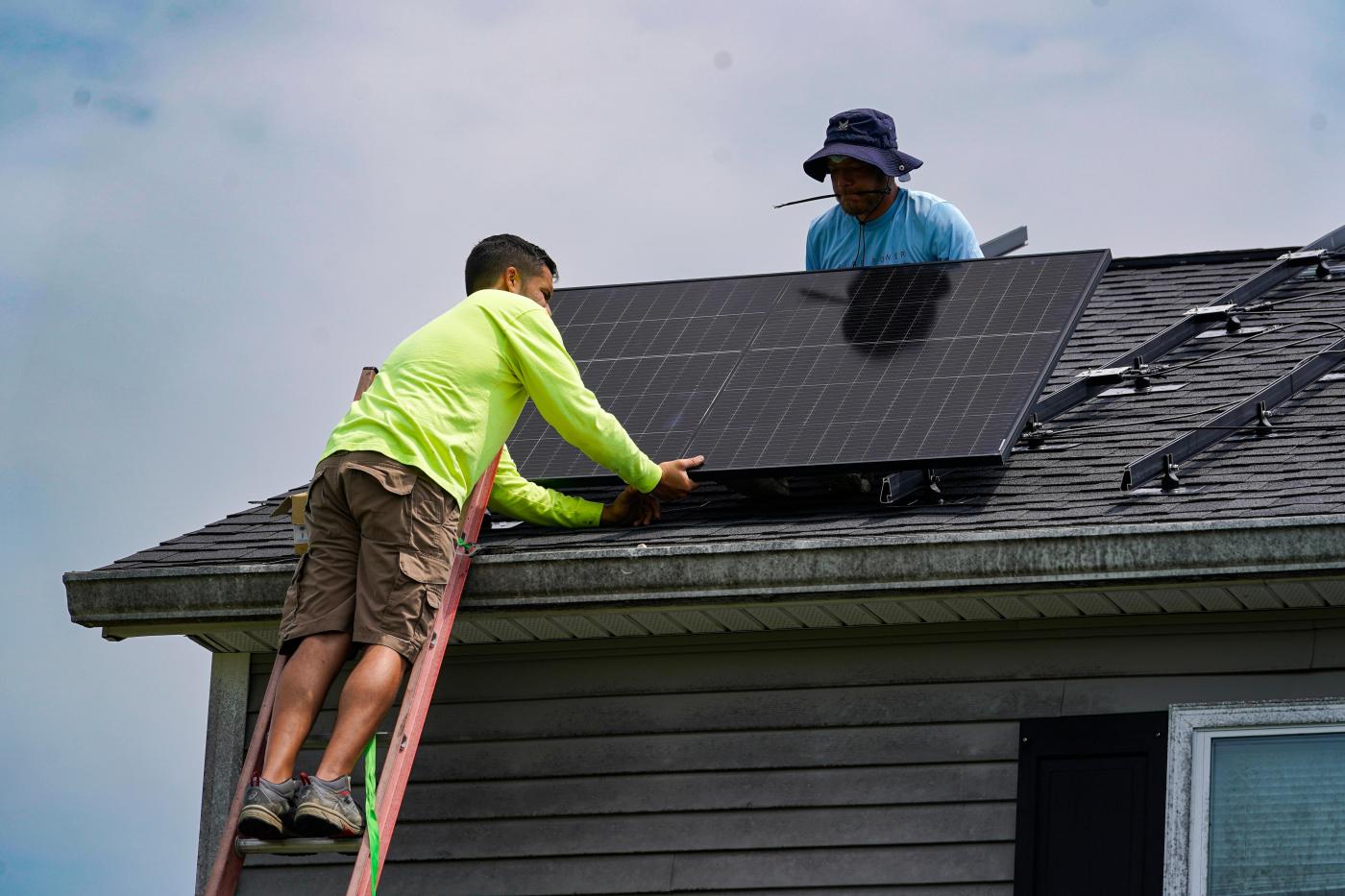
Virginia residents who have opted for rooftop solar energy systems could face significant changes to how they receive credits for energy produced. Dominion Energy has proposed new regulations that would reduce the financial benefits of net metering, a practice that allows homeowners to receive credits for excess electricity sent back to the grid. The utility’s plan could complicate energy savings for solar owners and deter potential new adopters.
Under the proposed changes, Dominion Energy aims to cut solar credits by one-third, altering how these credits are calculated. Currently, homeowners can balance their energy use over an entire year, allowing summer solar production to offset winter usage. The new system would instead reset calculations every 30 minutes, potentially penalizing families who are not home during peak sunlight hours. Critics argue this adjustment could significantly diminish the value of solar investments for many families.
Brandon Praileau, the Virginia program director for Solar United Neighbors and pastor of Wesley Union A.M.E. Zion Church in Norfolk, emphasizes the importance of maintaining a fair credit system. He describes the current framework as beneficial, allowing homeowners to size their solar systems according to their annual energy needs. “The math works because June surplus offsets January demand,” he explains, highlighting how annual netting helps families balance their energy costs throughout the year.
The proposed changes come at a time when energy costs are rising, making affordability a critical concern for many Virginians. By reducing solar credits and effectively discouraging solar installation, Dominion Energy could inadvertently keep electricity bills high for all customers. The current net metering system allows households to generate their own power and contribute to the grid, which can alleviate strain during peak usage times.
In August, the Virginia State Corporation Commission (SCC) provided a notable precedent when it rejected a similar proposal by Appalachian Power to eliminate the 1:1 retail credit for net metered households. The SCC emphasized that a 12-month netting period is essential for an effective solar program, sending a strong message about the importance of fair crediting practices in the state.
For those Virginians who do not own solar systems, the implications of these proposed changes could extend beyond individual households. Distributed energy generation decreases strain on the grid, which can defer costly infrastructure investments. When more families participate in solar energy production, it benefits all ratepayers by creating a more stable and less capital-intensive energy system.
As the January 20, 2024, public hearing approaches, community members are encouraged to voice their opinions on the proposed changes. Registration to speak at the hearing closes on January 13, 2024, providing a limited window for those interested in participating in the discussion.
With the current clarity and support for solar energy in Virginia, many families are considering making the investment in solar. The SCC’s previous ruling serves as a crucial point of reference as discussions continue about the future of net metering in the state.
Advocates argue that maintaining a 1:1 retail credit and a 12-month netting period is essential for fostering a sustainable energy environment that rewards contributions from solar users. As Virginia navigates its energy future, the focus remains on ensuring fair policies that benefit both solar owners and the wider community.