
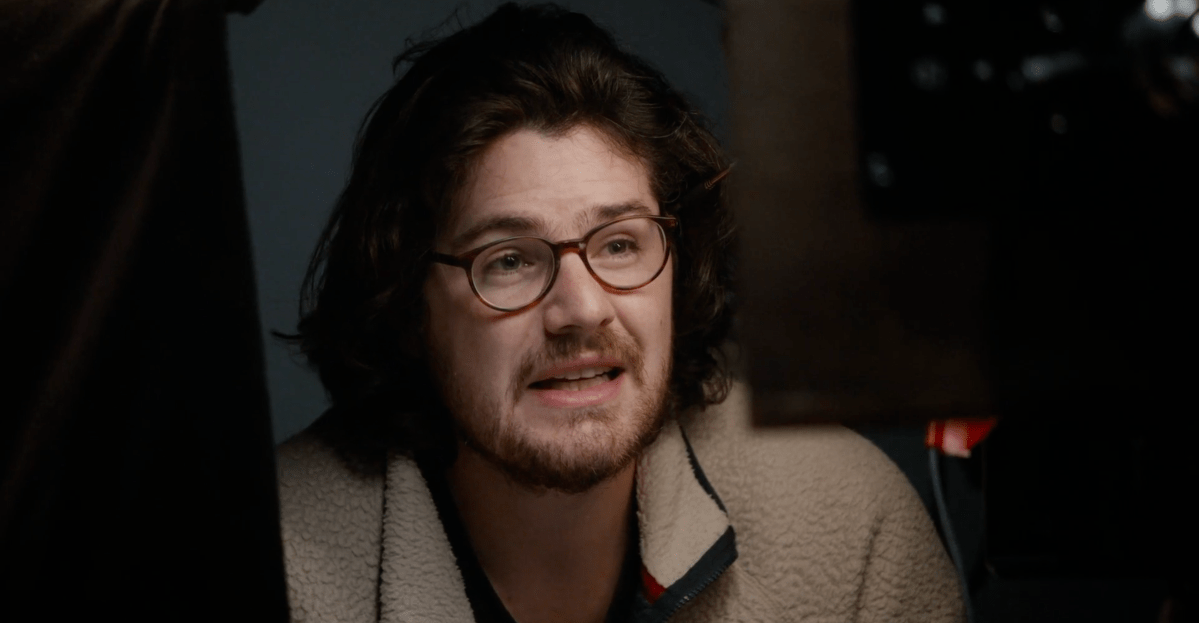
The documentary The AI Doc: Or How I Became an Apocaloptimist, directed by Daniel Roher and Charlie Tyrell, attempts to unravel the complexities of generative artificial intelligence (AI) as it continues to permeate various aspects of life. Scheduled for release in theaters on March 27, 2024, the film features insights from experts, researchers, and industry leaders, but its handling of the subject matter has drawn criticism for lacking depth and nuance.
The film opens with Roher expressing his anxieties about the implications of generative AI, particularly as he and his wife, Caroline Lindy, prepare to welcome a child. His personal narrative sets the tone for a documentary that oscillates between fear and optimism. Roher acknowledges his limited understanding of AI models like ChatGPT and Claude, yet he is deeply affected by alarming headlines suggesting that AI could pose existential threats to humanity.
Contrasting Perspectives on AI
The documentary is structured into four acts, each reflecting Roher’s evolving feelings as he interviews a range of voices from both sides of the AI debate. The film begins with prominent critics, including Tristan Harris and Aza Raskin, co-founders of the Center for Humane Technology, who frame generative AI as a potential catalyst for societal collapse. Their dire warnings are illustrated with clips from films like The Terminator and The Matrix, reinforcing the narrative of an impending apocalypse.
Yet, the documentary also provides a platform for optimists such as Daniela Amodei, president and co-founder of Anthropic, and Reid Hoffman, co-founder of LinkedIn. They argue that advancements in AI could lead to groundbreaking improvements in areas like healthcare, presenting a more hopeful vision for the future. Roher’s attempts to present a balanced overview, however, sometimes veer into sensationalism, making the film feel more like an advertisement for AI rather than a critical evaluation of its implications.
Missed Opportunities in AI Commentary
Despite its engaging visual style, the documentary falls short in addressing pressing questions about AI’s impact on industries, including filmmaking. Roher’s artistic background, illustrated through his hand-drawn sketches, could have added depth to discussions on how AI technologies are transforming creative professions. Yet, the film largely avoids this topic, which feels like a significant oversight given the reliance on animated sequences to convey complex ideas.
As the narrative progresses, Roher engages with journalists like Karen Hao and whistleblower Daniel Kokotajlo. Their insights shed light on the realities of AI development, emphasizing that many generative AI models are sophisticated tools built on massive datasets. This segment introduces a critical perspective on the ethical implications of AI’s rapid rise, touching on the underpaid labor often involved in data processing.
While the documentary offers glimpses of these crucial discussions, the brisk pacing prevents it from fully exploring the complexities of AI and its societal implications. Roher himself acknowledges the fast pace of AI advancements, noting that the insights shared in the film may quickly become outdated. This sentiment feels particularly relevant in light of recent controversies surrounding AI companies, including OpenAI and its CEO Sam Altman, who is currently under scrutiny for potential partnerships with the Department of Defense.
The film’s superficial engagement with industry leaders raises concerns about the need for more rigorous interrogation of AI technologies. As AI continues to integrate into everyday life, there is a pressing demand for well-informed discussions that clarify both its benefits and dangers. Unfortunately, The AI Doc does not fully meet this need, leaving viewers with more questions than answers about the technology shaping their futures.