
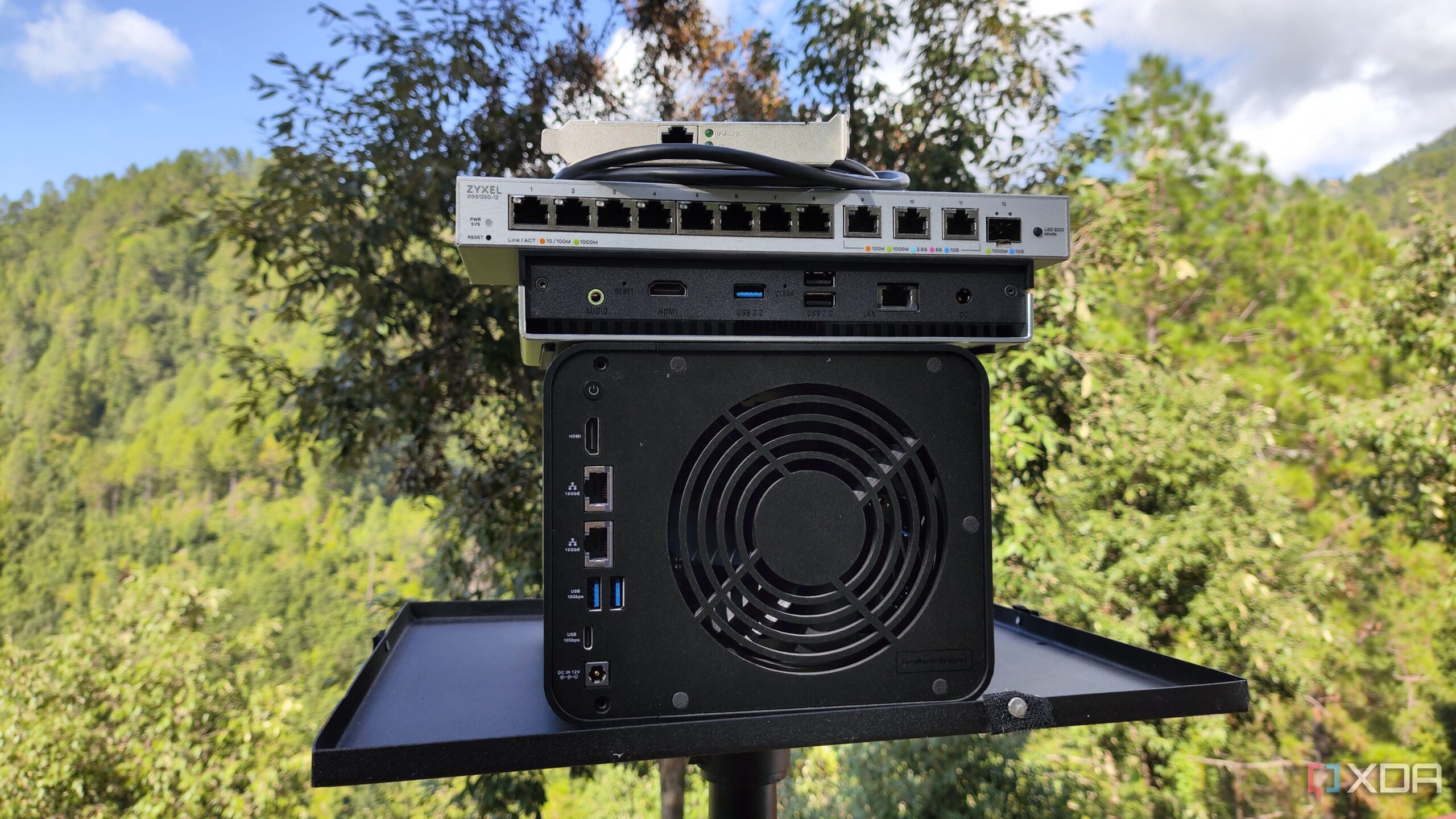
UPDATE: A new method for setting up real-time alerts on Network-Attached Storage (NAS) systems has just been revealed, enabling users to monitor their data integrity like never before. This compelling workflow ensures immediate notification of any issues, safeguarding critical information.
The urgency of data security cannot be overstated. With NAS devices vulnerable to hardware failures and software malfunctions, a proactive monitoring system is essential for anyone relying on these systems for file sharing and data archiving. This innovative setup utilizes self-hosted applications, allowing users to receive alerts directly from their NAS, significantly enhancing recovery efforts.
A key component of this robust monitoring solution is Gotify, a notification management server deployed on a Raspberry Pi as a container. This ensures that notifications are delivered even if the main server goes offline. The setup involves configuring the TrueNAS system to send alerts through a community-developed adapter. Users can seamlessly integrate http://ghcr.io/ztube/truenas-gotify-adapter into TrueNAS, enabling crucial notifications about pool degradation and S.M.A.R.T. test failures.
Moreover, the solution incorporates Uptime Kuma, monitoring the operational status of the TrueNAS server every minute. In the event of downtime, Uptime Kuma sends an alert to Gotify, ensuring users stay informed about their storage server’s status. This dual-layered approach significantly enhances the reliability of data management systems.
For those hesitant to self-host, traditional third-party options provide an alternative. Users can opt for email notifications, Slack alerts, or Telegram messages, with TrueNAS facilitating easy integration through its alert settings. Switching to Gmail’s OAuth streamlines the process, making data monitoring accessible for all skill levels.
Furthermore, the integration with Home Assistant adds an extra layer of sophistication. Users can visualize their NAS’s performance metrics, receiving alerts for critical issues like overheating drives or failed cloud synchronization. This integration opens new avenues for automation, ensuring that users can take swift action in the event of a failure.
The implications of this setup are profound. Users can now achieve a level of data security that was previously reserved for advanced tech enthusiasts. By implementing these real-time alerts, individuals can prevent catastrophic data loss and maintain the health of their home lab environments.
As of now, early adopters are already sharing their experiences, highlighting the emotional relief of having peace of mind regarding their data’s safety. This setup not only protects valuable information but also supports a community of users who are passionate about DIY solutions.
Stay tuned for more updates as this trend in NAS monitoring continues to evolve. The future of data management is here, and it’s more accessible than ever.