
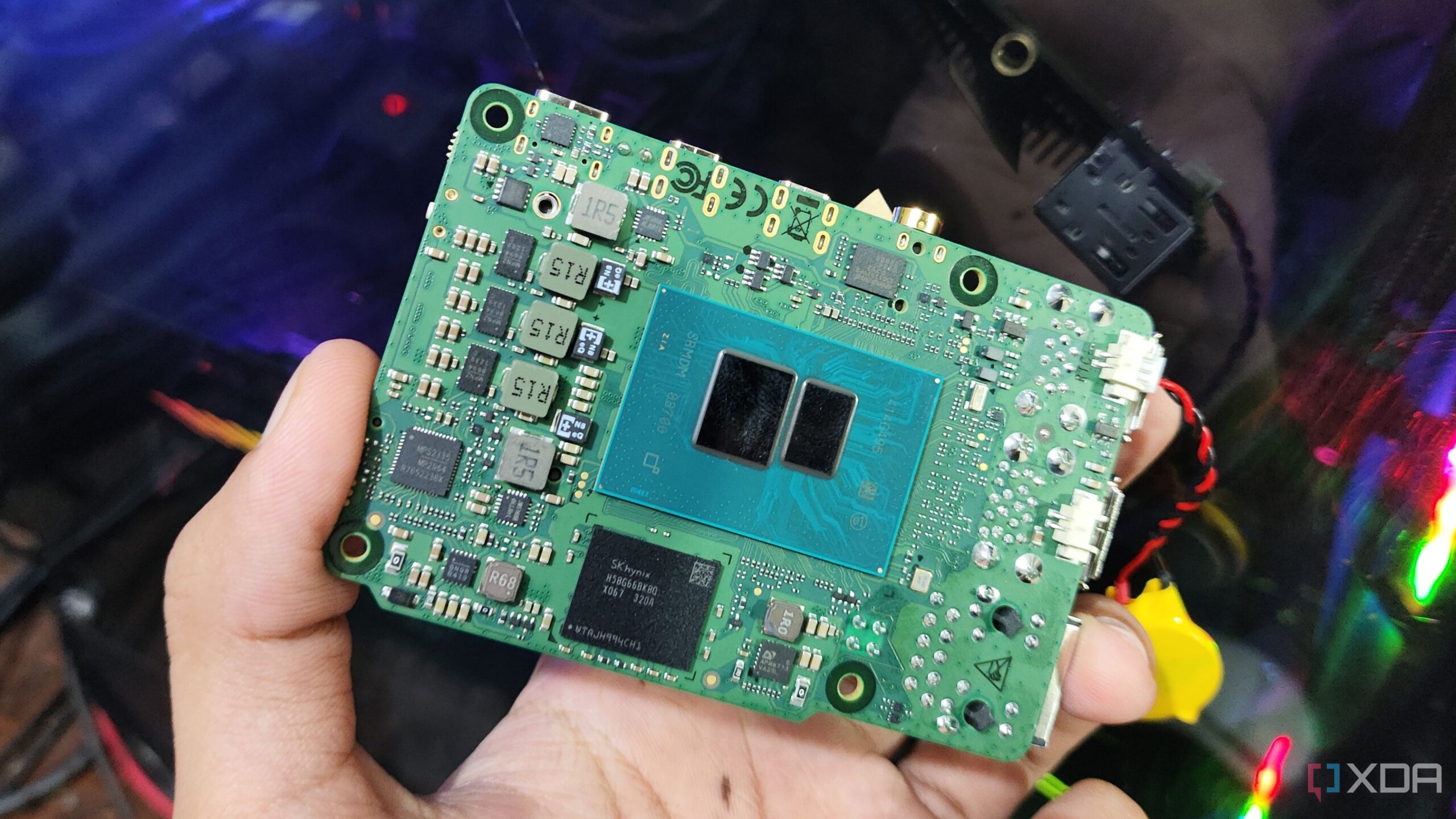
BREAKING NEWS: A tech enthusiast has successfully built a fully functional Proxmox home server for less than $150, showcasing that powerful DIY projects don’t require expensive hardware. This groundbreaking achievement highlights the potential of budget-friendly, consumer-grade systems, turning them into effective server nodes.
The creator, using a Radxa X4 Single-Board Computer (SBC) priced at approximately $88, has demonstrated that even low-end hardware can handle typical server workloads. The Radxa X4 features an Intel N100 quad-core CPU, which has proven to be robust enough for running multiple Linux Containers (LXCs) and virtual machines (VMs) without major performance issues.
This development is significant for tech enthusiasts and home lab hobbyists looking to optimize their setups without breaking the bank. Many users face compatibility challenges with conventional Arm SBCs; however, the x86 architecture of the Radxa X4 eliminates these problems, making it a prime choice for home server projects.
The server configuration includes 8GB of LPDDR5 RAM, allowing for efficient operation of LXCs and even a couple of VMs. The creator notes that while the SBC can handle demanding tasks, it is advisable to avoid running resource-intensive applications simultaneously to maintain performance.
“I’ve successfully run around a dozen LXCs and two CLI-based VMs—one with Ubuntu Server and another with Alpine Linux—on this budget-friendly server,” the creator stated. “The Intel UHD graphics also enable hardware transcoding for applications like Jellyfin, providing an excellent solution for media streaming.”
For those interested in building their own home server, alternatives exist. The 4GB variant of the Radxa X4 can be purchased for just $75, keeping the overall cost under $125. This affordability opens up new possibilities for tech-savvy individuals wanting to experiment without hefty investments.
The Radxa X4’s functionality extends beyond basic tasks; it can be configured for monitoring, notification, and management utilities. However, the creator advises against using it for more complex setups like a Ceph-based cluster due to limited connectivity options.
As technology enthusiasts look to stretch their budgets, this development is a reminder that innovation doesn’t always require high-end components. The success of this Proxmox server offers a beacon of hope for those eager to dive into home server projects without the financial burden.
Stay tuned for further updates as more users explore the capabilities of budget-friendly SBCs like the Radxa X4. This trend could transform the landscape of DIY home labs, making advanced computing accessible to a wider audience.
Share this news with fellow tech enthusiasts and inspire them to explore their own home server possibilities!