
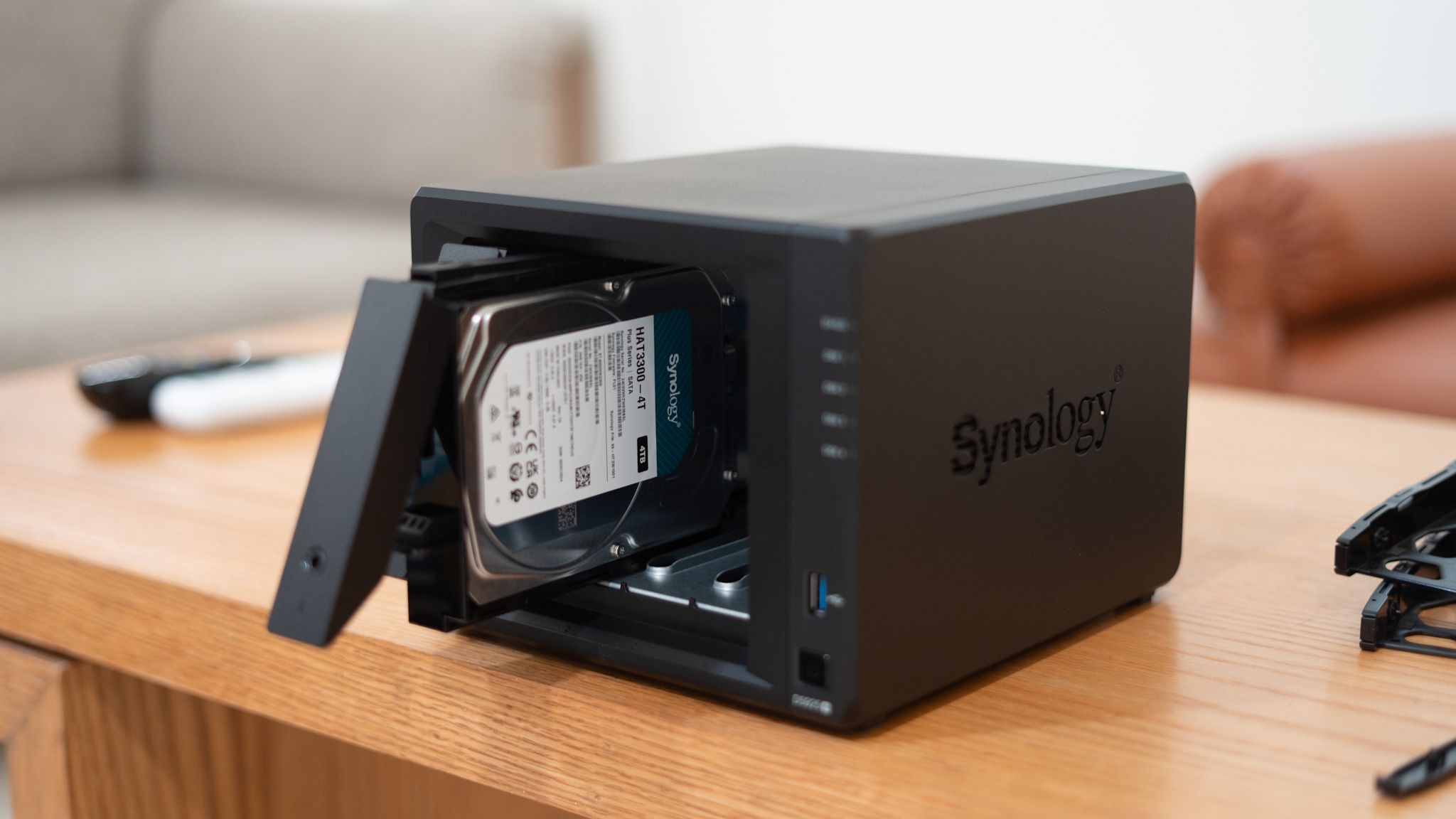
UPDATE: Tech enthusiasts are turning to DIY NAS solutions after one user revealed how they built a superior network-attached storage (NAS) system for less than half the price of a pre-built Synology model. This groundbreaking method is gaining traction just as consumers seek affordable technology alternatives in a tightening economy.
Many individuals entering the NAS market rely on established brands like Synology for their ease of setup and user-friendly interfaces. However, the convenience of these systems comes at a steep cost, often exceeding $600 before factoring in hard drive expenses. The recent revelation by a tech-savvy user highlights how a DIY approach can deliver the same functionality at a fraction of the price.
The heart of any NAS unit is not just its enclosure but the quality of the hard drives inside. The user discovered that they could purchase 12TB or even 16TB enterprise SATA drives for around a third of the cost of new consumer models. These drives are designed for 24/7 operation, making them a reliable choice for those wary of used hardware.
After rigorous testing, including burn-in tests and SMART checks, the user confirmed that these used drives still had ample life left, ensuring a dependable storage solution. With four of these drives purchased for just over the cost of a single NAS HDD, the user managed to kickstart their budget-friendly NAS project.
The user compared the costs and features of a Synology NAS against their DIY setup and decided to walk away from the expensive checkout page. They noted that the features offered by Synology could easily be replicated with third-party tools, which often perform as well or better than proprietary systems. This realization came as a relief, as the user could customize their NAS to meet specific needs without being locked into a closed system.
The DIY NAS setup involved repurposing an old PC equipped with an Intel processor, which was sufficient to handle all essential functions, including transcoding with Plex. Additional components like breakout cables and an HBA card required a minor investment but allowed the system to function seamlessly.
The user opted for TrueNAS as the operating system, leveraging the ZFS file system to ensure data integrity while configuring user permissions and Docker containers. While the setup process was complex, it was ultimately rewarding, as the user managed to create a fully functional NAS for significantly less than the retail price of a pre-built model.
This DIY revolution is not just about saving money; it represents a shift in how consumers approach tech solutions. With technology costs rising, individuals are exploring alternatives that not only fit their budget but also give them a sense of accomplishment.
Although this route demands time and technical know-how, it empowers users to customize their storage exactly to their liking. For those on a tight budget, this DIY approach is proving to be a viable and exciting alternative to standard pre-built NAS systems.
As more consumers learn about these methods, experts suggest that this trend could reshape the NAS market, encouraging manufacturers to rethink pricing and feature offerings.
What’s next? Tech enthusiasts are urged to share their own DIY NAS experiences and inspire others to explore this cost-effective solution. With the rising popularity of DIY technology, the message is clear: building your own NAS may just be the smart choice for today’s budget-conscious consumer.