
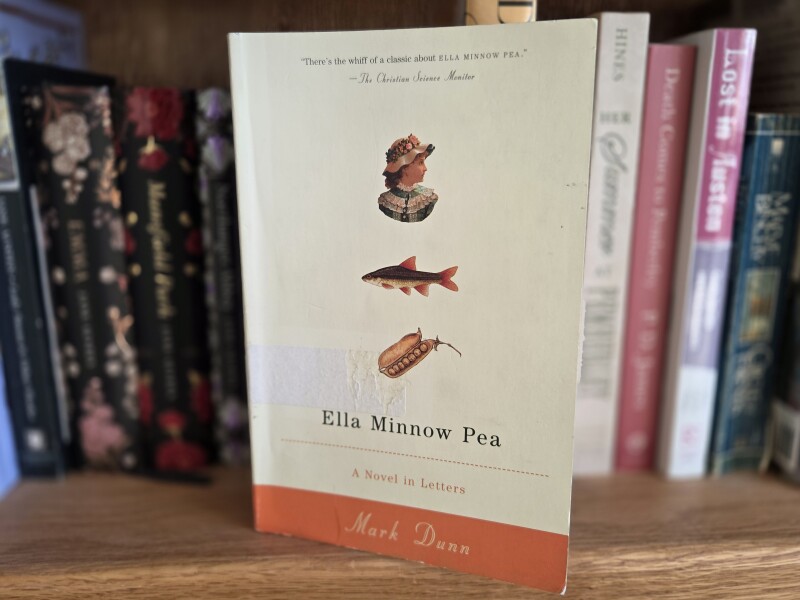
“Ella Minnow Pea,” a novel by Mark Dunn, offers readers a delightful journey into a whimsical world where language is both a treasure and a challenge. Set on the fictional Nollop Island off the coast of South Carolina, the story unfolds through a series of letters exchanged between characters, highlighting the beauty and complexity of the written word. With its unique format, the book serves as a quick, engaging escape for those seeking light-hearted entertainment.
Life on Nollop Island
Nollop Island is named for Nevin Nollop, a fictional figure credited with the creation of the well-known pangram, “The quick brown fox jumps over the lazy dog,” which showcases all 26 letters of the English alphabet. The island thrives on traditional communication methods, particularly letter writing, and is portrayed as a haven of intellect and slower-paced living, distinct from the mainland.
The tranquility of Nollop is disrupted when the letter “z” mysteriously falls from the monument that honors Nollop’s famous sentence. In their attempt to interpret this incident, the town council declares it a sign from Nollop, leading to a bizarre law that forbids the use of the letter “z.” Violators face severe consequences, including potential banishment from the island.
The Story of Ella
Eighteen-year-old Ella Minnow Pea initially dismisses the council’s decree. In her correspondence with her cousin Tassie, she even organizes a farewell party for the letter “z.” However, as more letters tumble from the monument, the council escalates its restrictions, outlawing additional letters and creating chaos in communication. As a result, residents face humiliation and exile for accidental infractions, leading to abandoned businesses and food shortages.
Despite these challenges, Ella remains resilient and becomes a symbol of hope for the islanders. She takes on the daunting task of creating a new pangram that is shorter than Nollop’s original. The council has promised to lift the oppressive mandates if anyone can achieve this feat, believing that no one can surpass Nollop’s cleverness.
As Ella battles against the dwindling resources and mounting pressure, the narrative cleverly illustrates the consequences of each missing letter. As letters fall from the monument, they also vanish from the text, resulting in humorous and creative storytelling. Readers are encouraged to pay attention to the evolving date formats used throughout the novel, which adds another layer of engagement.
“Ella Minnow Pea” is not just a story about language; it is a reflection on the importance of communication and the resilience of the human spirit. Dunn’s innovative writing style and engaging plot ensure that this book will resonate with readers long after they turn the final page.
For those interested in exploring a unique take on language and society, “Ella Minnow Pea” promises to be an unforgettable read.
For more recommendations and engaging content related to books and entertainment, consider following Bourke’s Bookshelf on social media.