
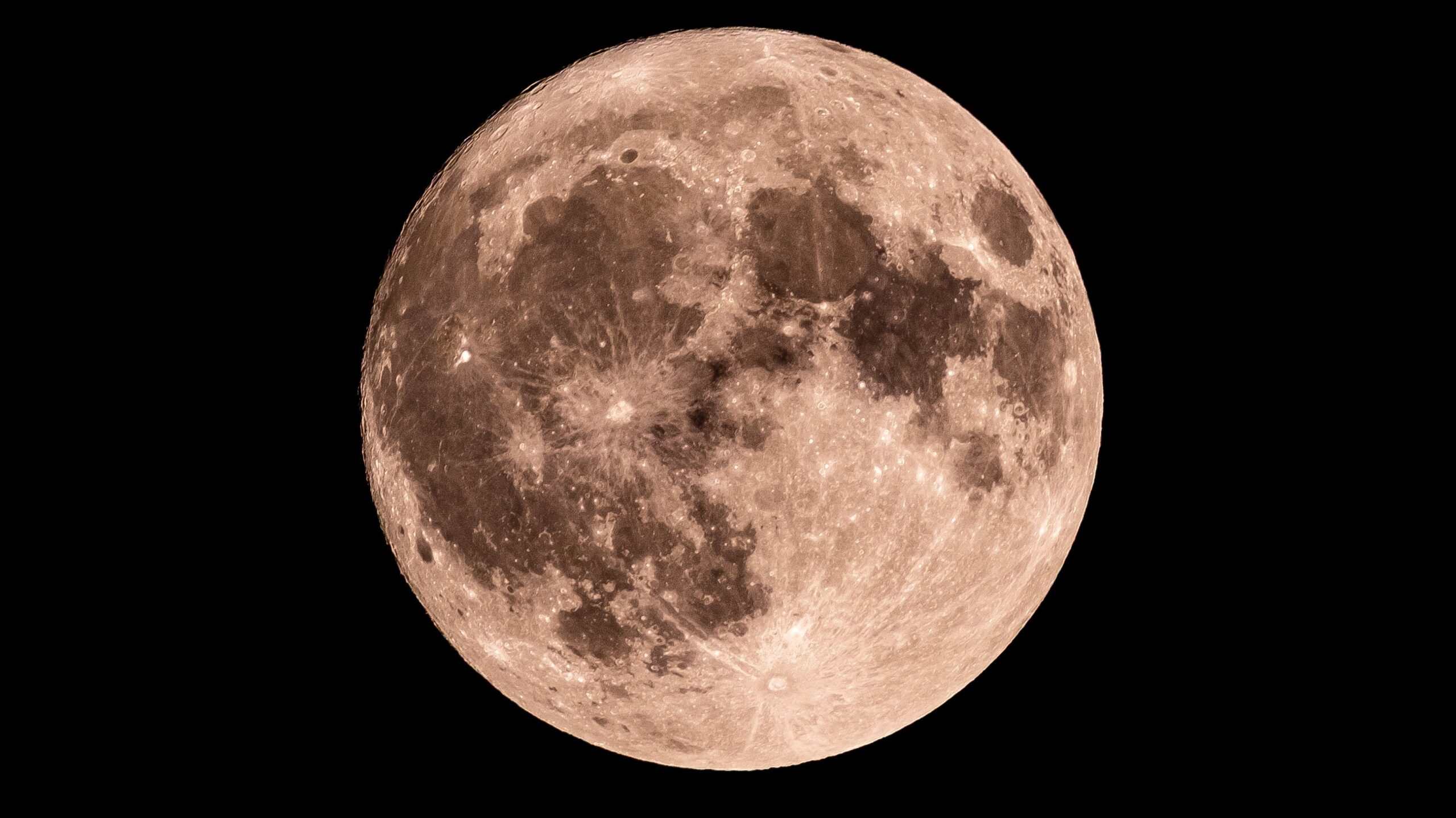
The Moon enters its waning phase following the recent Full Moon, which occurred a few days ago. As of January 4, 2024, the Moon is classified as a Waning Gibbous, with approximately 98.6% of its surface illuminated, according to data from The Sky Live. This phase signals a gradual decrease in visibility as the Moon transitions toward the next New Moon.
Understanding Moon Phases
Moon phases result from the changing positions of the Earth, Moon, and Sun. According to NASA, the entire lunar cycle takes about 29.5 days. During this time, the Moon progresses through a series of distinct phases as it orbits our planet. The same side of the Moon always faces Earth, but the amount of sunlight reflecting off its surface varies, creating the visual changes we observe.
The lunar cycle can be broken down into eight primary phases:
– **New Moon**: The Moon is positioned between the Earth and the Sun, making it invisible to the naked eye.
– **Waxing Crescent**: A small crescent of light appears on the right side of the Moon.
– **First Quarter**: Half of the Moon is illuminated on the right side, resembling a half-moon.
– **Waxing Gibbous**: More than half of the Moon is lit but not yet full.
– **Full Moon**: The entire face of the Moon is fully illuminated and visible.
– **Waning Gibbous**: The Moon begins to lose light from the right side.
– **Third Quarter (or Last Quarter)**: The left side of the Moon is illuminated, creating another half-moon.
– **Waning Crescent**: A thin sliver of light remains on the left side before the Moon disappears again.
The Next Full Moon
As the Moon continues its decline towards the New Moon, stargazers can anticipate the next Full Moon, which is scheduled for February 1, 2024. Each phase not only captivates observers but also influences various aspects of life on Earth, including tides and cultural practices.
Understanding the Moon’s phases enriches our appreciation of the natural world and invites enthusiasts to explore the night sky. With the Waning Gibbous shining brightly tonight, it is an excellent opportunity for viewers to observe and contemplate the beauty of our celestial neighbor.