
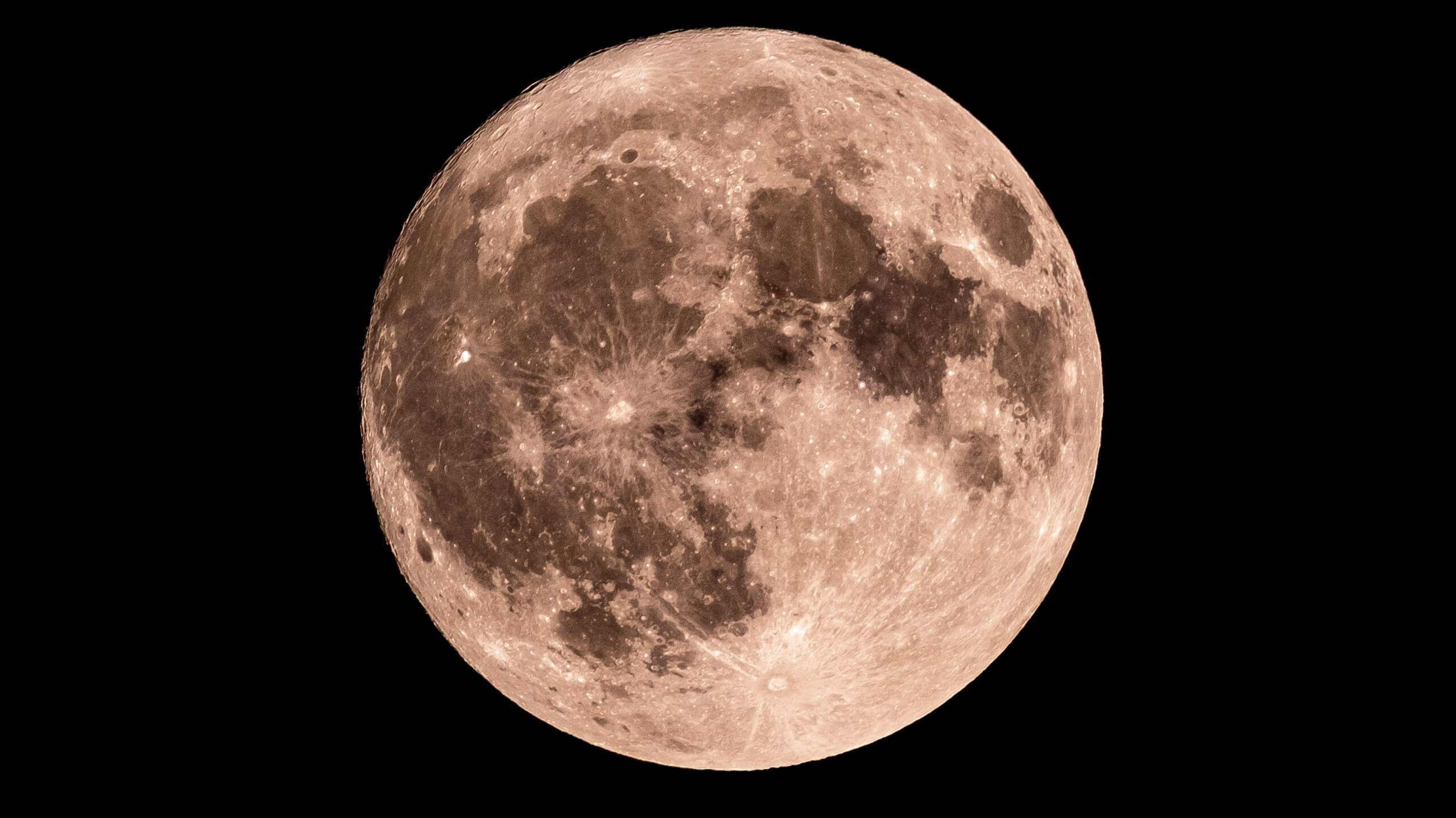
On January 11, the Moon will be in its Waning Crescent phase, marking the final stage before the upcoming New Moon. This phase signifies that approximately 42% of the lunar surface will be illuminated tonight, providing a unique opportunity for stargazers and astronomy enthusiasts to observe remarkable features on the Moon.
Those looking up at the night sky will be able to see prominent landmarks such as the Aristarchus Plateau, Kepler Crater, and Tycho Crater without the need for telescopes or binoculars. For those equipped with binoculars, the Grimaldi Basin, Clavius Crater, and the Mare Humorum will also be visible. A telescope could reveal even more details, including the historic landing site of Apollo 12 and the Schiller Crater.
The Lunar Cycle Explained
The Moon takes about 29.5 days to complete a full orbit around Earth, a period known as the lunar cycle. During this time, the Moon transitions through eight distinct phases, each characterized by varying amounts of sunlight reflecting off its surface. This phenomenon occurs because the same side of the Moon always faces Earth, while its position relative to the Sun changes.
The phases include:
– **New Moon**: The Moon is positioned between Earth and the Sun, making it invisible to observers on the ground.
– **Waxing Crescent**: A small sliver of light appears on the right side as the Moon begins to illuminate.
– **First Quarter**: Half of the Moon is lit, creating a recognizable half-Moon shape.
– **Waxing Gibbous**: More than half of the Moon is illuminated, nearing fullness.
– **Full Moon**: The entire face of the Moon is visible and fully illuminated.
– **Waning Gibbous**: The Moon starts to lose light, beginning on the right side.
– **Third Quarter**: Again, half of the Moon is visible, but now the left side is illuminated.
– **Waning Crescent**: A thin sliver of light remains on the left before the Moon transitions back to darkness.
Upcoming Lunar Events
The next significant lunar event will be the Full Moon, occurring on February 1, following the last Full Moon on January 3. These celestial occurrences provide valuable opportunities for scientific observation and public engagement with astronomy.
According to NASA’s Daily Moon Guide, tonight’s Waning Crescent phase will be an excellent time for both amateur and seasoned astronomers to explore the Moon’s surface in unprecedented detail. Whether using the naked eye or advanced equipment, the Moon continues to inspire curiosity and wonder among observers worldwide.