
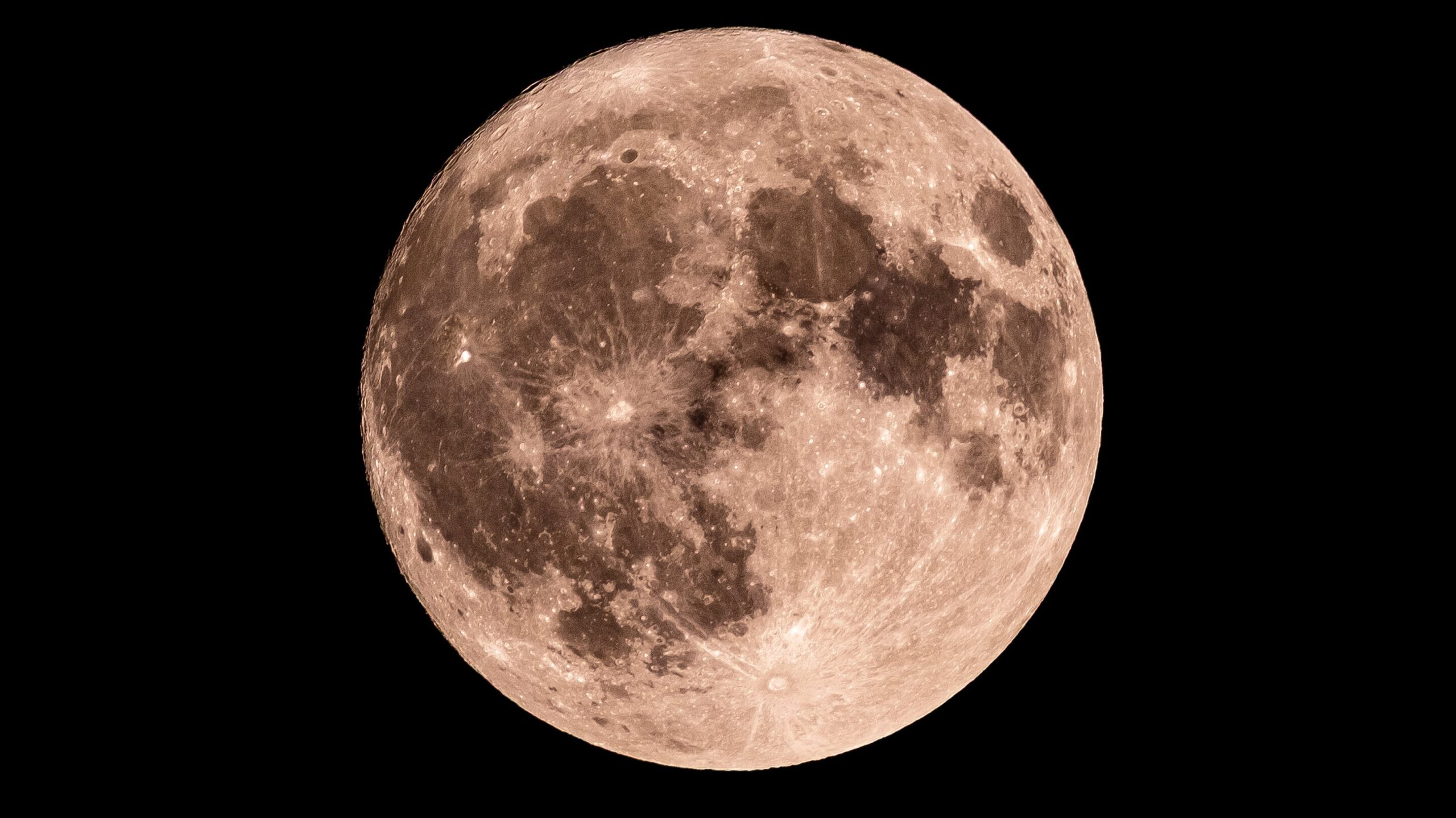
As of January 17, 2024, the Moon is in its Waning Crescent phase, offering a minimal view for stargazers. With only 2% of its surface illuminated, the Moon appears almost entirely dark, signaling the approach of the New Moon. Though many may expect a completely dark sky, a faint glimmer remains visible tonight.
The next significant lunar event will be the Full Moon on February 1, 2024, following the last Full Moon that occurred on January 3, 2024. Understanding the phases of the Moon can enhance appreciation for these celestial changes, especially as they influence tides and natural light.
Understanding Moon Phases
Moon phases are part of the lunar cycle, which lasts approximately 29.5 days as the Moon orbits Earth. During this cycle, the Moon transitions through eight distinct phases, affecting how much of its surface we can see illuminated from our planet.
The eight stages of the lunar cycle are as follows:
– **New Moon**: The Moon is positioned between Earth and the Sun, making it invisible.
– **Waxing Crescent**: A small sliver of light appears on the right side.
– **First Quarter**: Half of the Moon is illuminated on the right, resembling a half-Moon.
– **Waxing Gibbous**: More than half of the Moon is lit but it is not yet full.
– **Full Moon**: The entire face of the Moon is illuminated.
– **Waning Gibbous**: The light begins to decrease on the right side.
– **Third Quarter (Last Quarter)**: The left half of the Moon is now visible.
– **Waning Crescent**: A thin sliver of light remains on the left side before the Moon goes dark again.
Moon Visibility and Future Phases
As the Moon continues its journey, visibility will increase leading up to the Full Moon phase. The gradual change from a Waning Crescent to a Full Moon allows for varied viewing experiences.
Stargazers and lunar enthusiasts should mark their calendars for the next Full Moon on February 1. As always, these phases are not only a spectacle but also serve as a reminder of the natural rhythms of our solar system. Understanding these phases can enhance the experience of observing the night sky, making each glimpse of the Moon a moment of wonder.