
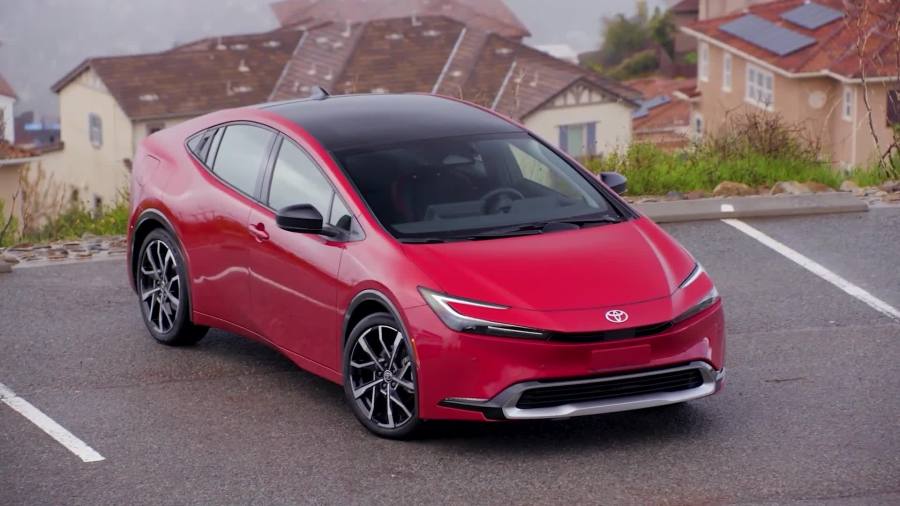
The market for plug-in hybrid vehicles is experiencing significant growth in 2025, as consumers seek alternatives amid the phase-out of federal electric vehicle (EV) tax credits. These vehicles offer a practical blend of electric range, fuel efficiency, and flexibility, making them an appealing choice for many drivers. The disappearance of consistent federal incentives, coupled with the varying state incentives, has shifted the focus toward plug-in hybrids, which provide a more accessible entry into the world of electric driving.
As full electric vehicle ownership often requires careful planning and patience, plug-in hybrids present an attractive option for those looking to transition to greener transportation without fully committing to an all-electric vehicle. The ability to charge at home while maintaining the convenience of a gasoline engine gives plug-in hybrids a unique advantage in today’s automotive landscape.
Top Choices for 2025
Several models stand out in the plug-in hybrid segment for 2025, each offering distinct features and advantages. These vehicles cater to a variety of needs, from everyday commuting to longer road trips.
The first notable option is the Toyota RAV4 Prime. This compact SUV combines a robust electric range of approximately 42 miles with the practicality of a spacious interior. Its fuel efficiency, rated at about 94 MPGe (miles per gallon equivalent), makes it an appealing choice for families and individuals alike.
Another strong contender is the Ford Escape Plug-In Hybrid, which boasts a comfortable ride and a commendable electric range of around 37 miles. With a total system output of 200 horsepower, the Escape provides a responsive driving experience while maintaining impressive fuel economy.
The Honda CR-V Hybrid also deserves mention. This well-rounded SUV offers a smooth ride, a spacious cabin, and a competitive electric range of 40 miles. Additionally, the CR-V Hybrid is known for its reliability and strong resale value, making it a sensible investment for eco-conscious consumers.
For those interested in a more luxurious option, the BMW X5 xDrive45e presents an upscale experience. This plug-in hybrid SUV delivers an electric range of about 30 miles and is equipped with advanced technology and premium materials. The X5’s performance-oriented design ensures a dynamic driving experience, appealing to those who prioritize both luxury and efficiency.
Lastly, the Chrysler Pacifica Hybrid stands out in the minivan category. Designed for families, this model offers an electric range of around 32 miles and the practicality of spacious seating for up to eight passengers. Its versatile interior and strong fuel efficiency make it an excellent choice for family outings and daily commutes.
Why Plug-In Hybrids Matter Now
The growing interest in plug-in hybrids can be attributed to various factors. As federal EV incentives are no longer available, potential buyers are increasingly looking for vehicles that strike a balance between electric driving and traditional combustion engines. The inconsistency of state incentives further complicates the decision for consumers considering fully electric vehicles.
Plug-in hybrids offer a practical solution. They allow drivers to benefit from electric driving for short trips while retaining the option of gasoline power for longer journeys. This flexibility is crucial in a time when charging infrastructure is still developing, and many consumers may not have access to home charging facilities.
As the automotive landscape evolves, the appeal of plug-in hybrid vehicles in 2025 is clear. With their combination of electric capabilities, fuel savings, and adaptability, these vehicles cater to a diverse range of drivers seeking to make environmentally conscious choices without sacrificing convenience.