
The wellness landscape is undergoing a transformation in 2026, with emerging trends that prioritize holistic health and well-being. Shifting away from restrictive diets and high-intensity workouts, individuals are now embracing nourishing foods and sustainable practices that foster balance and connection. As the focus on self-care intensifies, several key trends have surfaced, each offering unique benefits to enhance daily life.
Embracing Fibermaxxing and Matcha
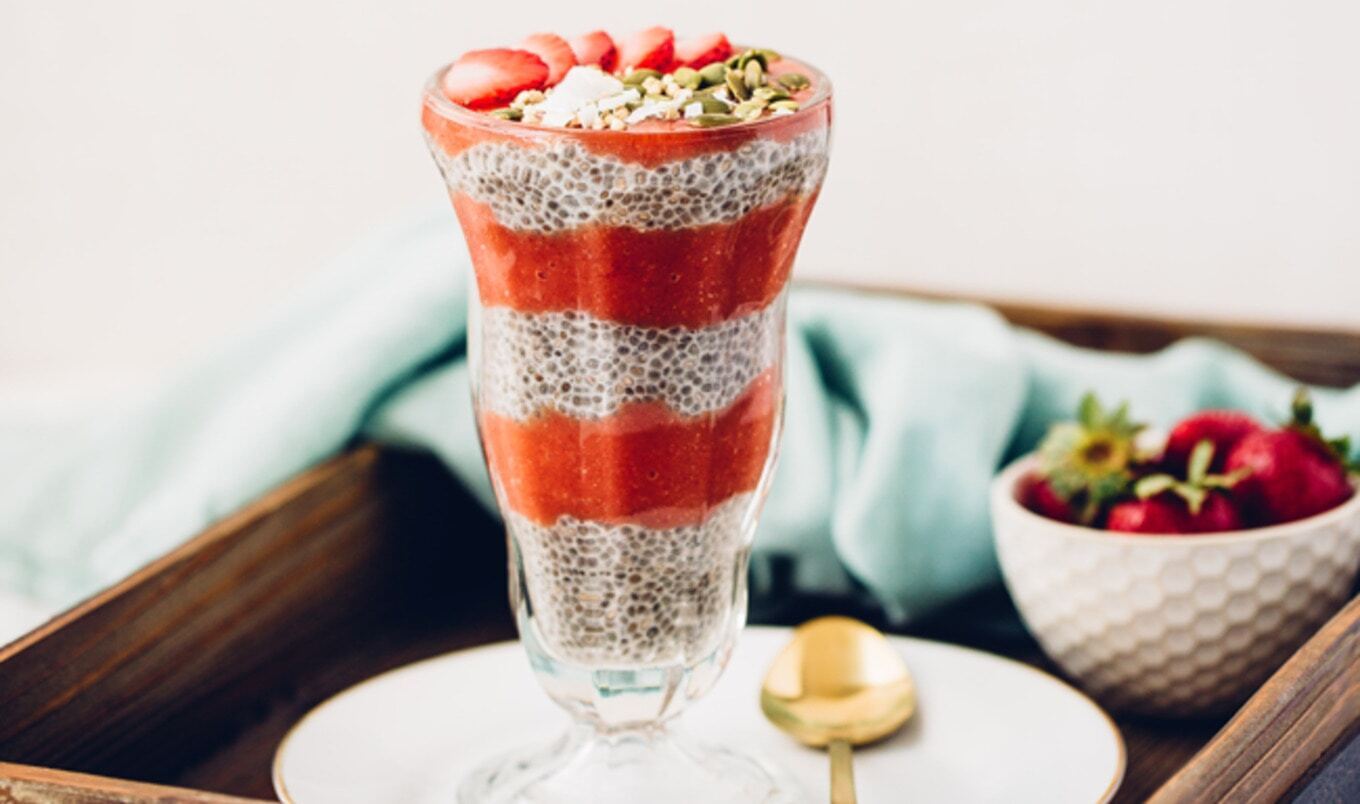
One notable trend is “Fibermaxxing,” which emphasizes maximizing daily fiber intake from whole, plant-based foods instead of relying on supplements. This approach supports digestion, blood sugar balance, and gut health. Nutritionists recommend aiming for at least 30 grams of fiber daily. Incorporating meals like chia pudding, lentil soups, or overnight oats with berries can help achieve this goal.
In the beverage realm, matcha is making a significant comeback as a preferred energy source, replacing traditional coffee for many. Known for its high antioxidant content and steady caffeine release, matcha provides a calm, focused alertness that is especially appealing during busy mornings. For a delightful experience, enthusiasts can try premium matcha sourced from Japan, served over ice with oat milk and a hint of vanilla.
Shifting Perspectives on Longevity and Technology
The concept of longevity wellness is gaining traction, emphasizing the importance of living well rather than merely resisting aging. This philosophy promotes strength, mental clarity, and energy across all ages, focusing on realistic health goals rather than an unattainable agelessness. Experts from the Physicians Committee for Responsible Medicine advocate for a plant-based diet and metabolic health as essential components of longevity.
Technology is also playing a crucial role in personal wellness, with AI-enhanced fitness and nutrition tools becoming increasingly popular. Applications like FitnessAI offer tailored workout adjustments while nutrition apps create personalized meal plans based on individual habits. This shift towards personalized health is seen as a way to leverage smart technology for better wellness outcomes.
Seasonal eating habits are rising in popularity, encouraging individuals to align their diets with local produce that is in season. This sustainable approach not only enhances nutrient diversity but also fosters a deeper connection to the environment. Visiting farmers’ markets and rotating seasonal produce, such as root vegetables in winter and berries in spring, can enrich one’s meals.
Design, Sound, and Beauty Innovations
A growing trend in interior design is “biophilic design,” which integrates natural elements into home spaces to promote emotional well-being. Features like natural wood textures and abundant greenery help create calming environments, particularly beneficial for those working remotely. Simple additions, such as statement plants or clay ceramics, can significantly enhance one’s home atmosphere.
Moreover, the way people wake up is changing with the introduction of sound-based alarm systems. Instead of jarring sounds, soothing melodies and nature-inspired chimes are becoming the norm, allowing for a more mindful start to the day. Apps like Headspace and curated playlists on platforms like Spotify provide calming soundscapes to ease individuals into their mornings.
As beauty standards evolve, ingestible vitamins for hair and skin are gaining traction. Products that include ingredients like collagen alternatives and adaptogens are increasingly popular, with brands such as HUM Nutrition leading the charge. These formulations focus on nourishing from within, offering a comprehensive approach to beauty.
The concept of a “dopamine menu” is also emerging, emphasizing the impact of food on mood. Meals rich in omega-3s, B vitamins, and tryptophan are believed to elevate serotonin and dopamine levels, potentially enhancing overall happiness. Starting the day with a vibrant breakfast, such as avocado toast topped with hemp seeds, can set a positive tone.
Finally, protein is being redefined as a daily essential rather than just a post-workout recovery tool. The focus is shifting towards consistent protein intake throughout the day, promoting energy and hormone health. Incorporating plant-based protein powders into smoothies or enjoying snacks like Aloha protein bars can help meet these nutritional needs.
As the wellness industry evolves, these trends reflect a growing understanding of personal health and well-being, encouraging individuals to adopt practices that foster a balanced and fulfilling life.