
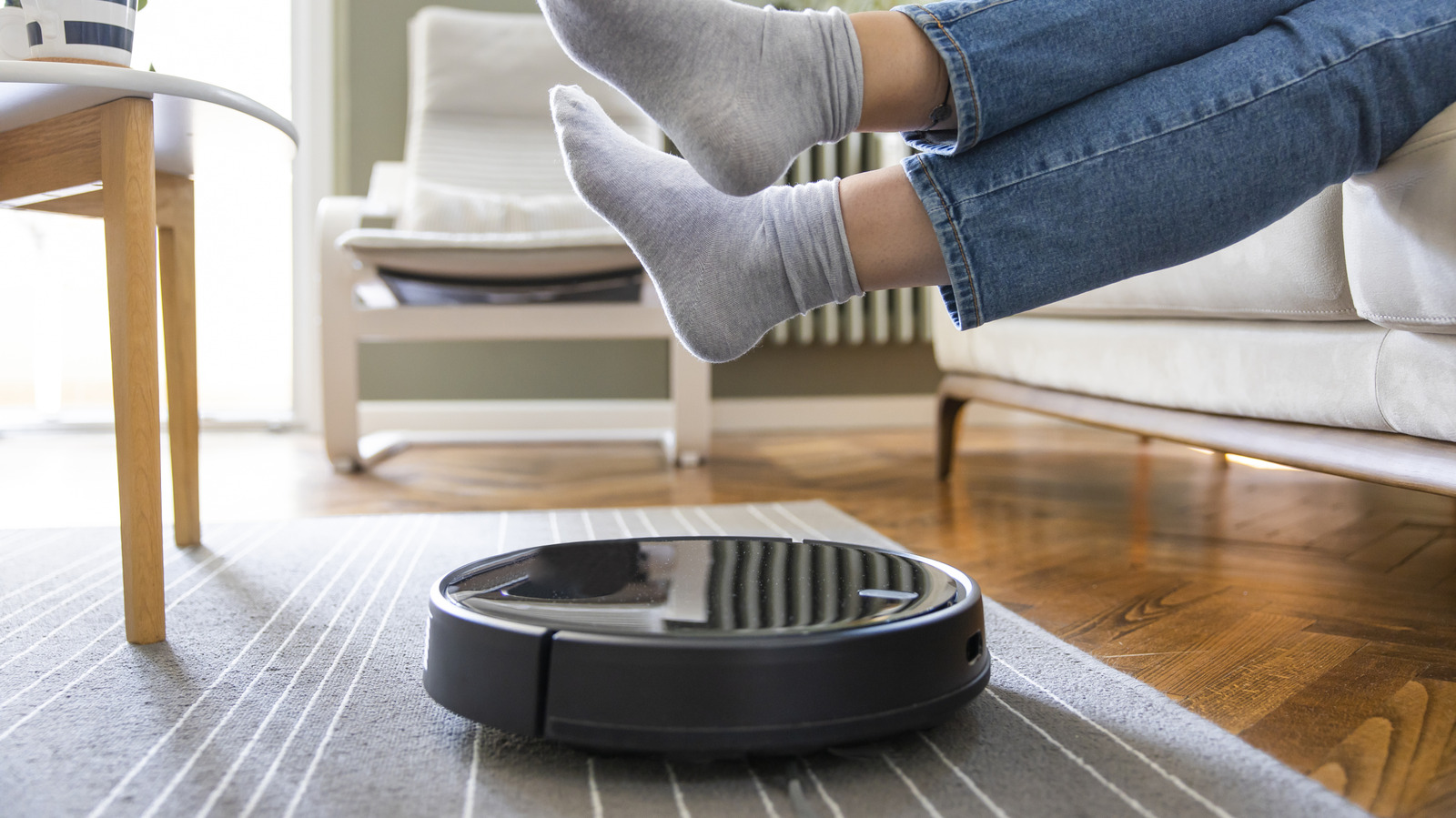
Robot vacuum cleaners have transitioned from imaginative concepts in science fiction to essential household devices, with global shipments increasing by 18.7% in the first three quarters of 2025, according to the International Data Corporation. This surge in popularity is driven by declining prices and advancements in technology that enhance performance. As these devices become more capable of handling various floor types and navigating household obstacles, selecting the right brand is crucial.
Choosing the wrong model could result in increased cleaning time or frequent disruptions. To guide consumers, this article highlights the top robot vacuum brands as evaluated by expert reviewers at Consumer Reports.
Leading Brands in Robot Vacuum Technology
**iRobot** is perhaps the most recognized name in the market, known primarily for its Roomba series. Despite filing for bankruptcy at the end of 2025, attributed to competitive pressures and increased tariffs, the quality of its products remains high. The Roomba Max 705 features dual rubber brushes to minimize hair tangles and utilizes advanced LiDAR technology for effective navigation. A standout feature is its AutoEmpty dock, allowing for up to 75 days of autonomous operation. The device also connects to the Roomba Home app for remote control and scheduling, reaffirming its status as a leader in household cleaning technology.
**Dyson**, a respected brand in the manual vacuum sector, has applied its innovative bagless cyclone technology to robot vacuums. The Dyson 360 Vis Nav boasts impressive suction power of 22,000 Pa and can clean a room in under an hour. Its unique D-shape design enhances corner cleaning. However, customer satisfaction has been mixed, likely due to its smaller dust bin and higher noise levels. Currently discounted to $399.99, this model typically retails for $999.99.
**Eureka’s** NERE10SW ranks third, featuring a bagless design and an auto-emptying base for extended cleaning sessions. With a suction power of 8,000 Pa, it performs well on both bare floors and carpets. Priced at $280, this model offers a budget-friendly option compared to competitors. While it has received accolades for its pet hair performance, some users report that its side brushes may occasionally scatter debris.
**OKP** is a lesser-known Chinese brand, yet its model, the OKP L1, has garnered attention for its strong performance, particularly on bare floors and with pet hair. Equipped with LiDAR technology, it efficiently navigates cleaning tasks. However, a noted vulnerability in data security has raised concerns regarding user privacy.
**Miele**, synonymous with quality and durability, offers the Miele RX3 Home Vision. This model allows users to monitor cleaning via live streaming and performs admirably on bare floors. It has a runtime of 170 minutes and is recognized as a “Green Choice” product, indicating a commitment to eco-friendliness. At present, it is available for $799.99 on Amazon.
**Samsung** leverages its strong brand reputation with the Jet Bot AI+, which excels in pet hair removal and ease of use. It has a compact design and can auto-empty into a larger bin, although it comes at a premium price starting at $1,299.99. Its environmental features, such as reusable filters, add to its appeal.
**Ionvac**, manufactured by Tzumi, offers the Ionvac 9048, which has received favorable reviews for its performance against pet hair and compact design. Retailing at just over $100, it provides an accessible option for budget-conscious consumers, though some users report issues with its random activation.
**Shark** has made waves in the market, with the Shark Navigator AV2110S earning accolades for its effectiveness on pet hair and bare floors. Priced around $320, it offers a balance of performance and affordability, despite some reports of noise during the self-emptying process.
Lastly, **Eufy**, known for its smart home products, offers the C10. Despite criticisms regarding data privacy, it is praised for its efficient navigation and competitive pricing of $270. However, its performance can be hindered by frequent entrapments under furniture.
Understanding Robot Vacuum Technologies
Many modern robot vacuums utilize LiDAR technology, which involves emitting light pulses to create a detailed 3D map of their environment. This allows for efficient navigation and coverage of cleaning areas. However, LiDAR has limitations, such as difficulty in recognizing flexible obstacles and issues with reflective surfaces that can confuse navigation.
Artificial intelligence (AI) enhances robot vacuum capabilities by allowing them to process sensor data in real time. This technology enables vacuums to adapt to changes in their environment, such as moving furniture, and adjust their cleaning paths accordingly. Advanced models, like the X11 Omnicyclone and the Roborock Saros Z70, employ machine learning to optimize their cleaning routines further.
Conclusion
The market for robot vacuums is robust, with numerous brands offering varying features and price points. As technology continues to advance, consumers can expect even more sophisticated cleaning solutions to emerge. By considering performance, user satisfaction, and price, individuals can make informed decisions that best suit their cleaning needs. For those seeking to invest in a robot vacuum, this guide serves as a valuable resource to navigate the top options available in 2025.