
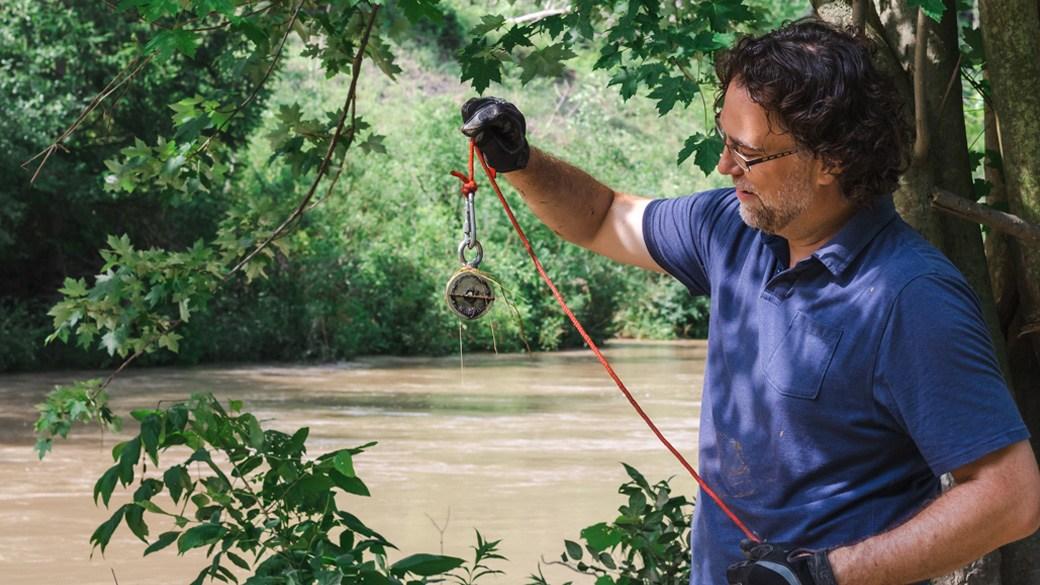
Magnet fishing, a unique outdoor activity, has gained popularity in recent years as enthusiasts search for metallic objects submerged in bodies of water. Unlike traditional fishing, where the goal is to catch aquatic life, magnet fishing involves using a strong magnet attached to a durable rope to retrieve items from lakes, rivers, and ponds. The practice can yield a variety of finds, from historical artifacts to everyday items, but it also comes with its own set of challenges and risks.
Understanding Magnet Fishing
At its core, magnet fishing is a straightforward process. Participants typically use a powerful magnet, designed for industrial purposes, rather than the small magnets found in household items. This specialized magnet can lift substantial weights, often several hundred pounds, making it suitable for retrieving heavy objects from underwater. Anglers can either cast their magnet from the shore or use a small boat to trawl the water, pulling up whatever is attached to the magnet once it snags an object.
The essential tools for magnet fishing include high-strength nylon rope and a robust magnet. The rope resembles rock climbing gear, with a high weight limit to accommodate potential finds. While the length of the rope can vary, it must be long enough to reach the bottom when fishing from a boat.
Potential Treasures and Risks
Magnet fishing often leads to exciting discoveries. Many enthusiasts have recovered items from historical sites, including weaponry from World War II, ancient coins, and valuable medals. Videos showcasing these finds have contributed to the activity’s growing appeal. However, it is crucial to approach magnet fishing with caution, as the powerful magnets can cause injuries, particularly to fingers.
Moreover, in areas with a history of conflict, such as those frequented by World War II battles, magnet fishers can inadvertently pull up dangerous items, including live grenades and loaded firearms. Safety is paramount, and individuals should be aware of their surroundings and the potential hazards involved.
While the allure of finding treasure is strong, participants should temper their expectations. Most common finds include mundane items such as nuts, bolts, tools, and occasionally discarded fishing tackle. It is unlikely that anyone will strike it rich during their first outing, as successful magnet fishing often requires knowledge of the best locations to search.
For those interested in trying magnet fishing, various kits are available to suit different experience levels. The AnglerMag Magnet Fishing Kit is ideal for beginners, featuring a 2.9-inch magnet with a pull force of 1,250 pounds and a 60-foot nylon rope. For more seasoned fishers, the Platinum Complete Magnet Fishing Kit offers a double-sided 3-inch magnet with a maximum pull force of 1,320 pounds and a 65-foot rope. Serious enthusiasts may opt for the FindMag Fishing Magnet Kit, which boasts a 4.5-inch magnet capable of lifting 2,625 pounds.
For those who already possess a magnet but require a longer rope, the Loreso Strong Magnet Fishing Rope provides a 65-foot heavy-duty line that can handle up to 1,200 pounds.
As this trend continues to grow, magnet fishing offers a blend of adventure and history. Enthusiasts engage with their local waterways in a unique way, turning the mundane act of retrieving lost items into an exciting treasure hunt. Those considering taking up this activity should prioritize safety and research the best locations to enhance their chances of finding something truly remarkable.