
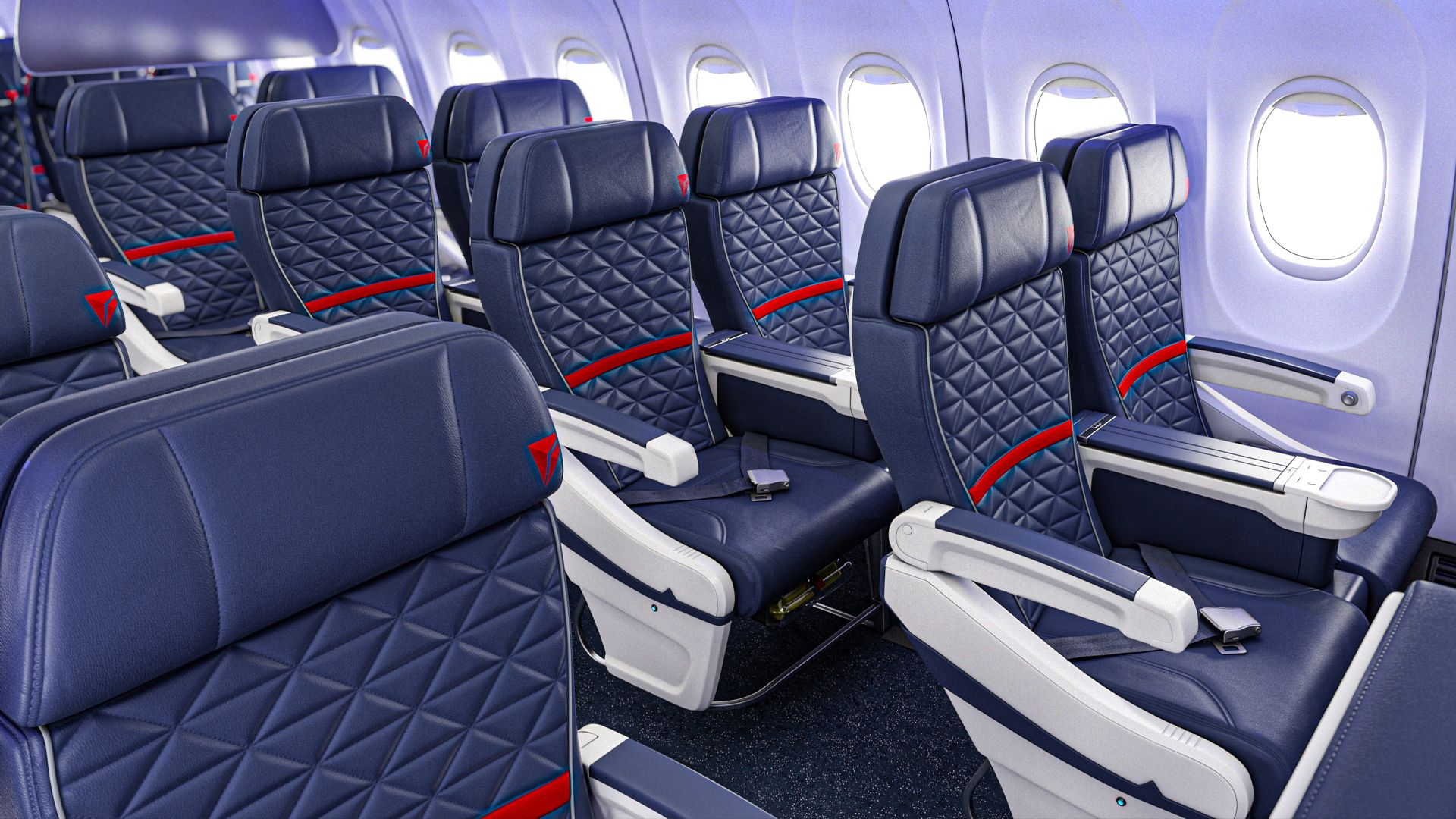
Selecting the best seat on Delta Air Lines’ Boeing 737 fleet in 2026 can significantly enhance the travel experience, particularly on domestic flights. The airline’s 737-800 and 737-900ER aircraft operate a range of flights from short regional hops to longer transcontinental routes. Understanding the seating configurations and choosing wisely can ensure a more comfortable journey.
Understanding Aircraft Configurations
Delta’s 737 fleet has evolved over the years, focusing on modernizing its aircraft while phasing out older models. The 737-800 typically features a standard configuration of 16 first class seats and 144 seats in the main cabin. In contrast, the 737-900ER presents a more complex landscape, with several different seating arrangements depending on the specific aircraft variant. This variability means that the best seat choice can differ dramatically from one flight to another.
In the standard layout of the 737-900ER, there are 20 first class seats and 21 Delta Comfort+ seats, while some variants, such as those previously operated by Lion Air, may offer only 12 first class seats and as few as 6 Comfort+ seats. This fragmentation makes it essential for travelers to verify the specific seat map in the Delta app before their flight.
Choosing the Right Seat
For the most comfortable experience on Delta’s Boeing 737, passengers should consider several factors. In first class, the bulkhead seats in row one are ideal, as they provide privacy without the concern of other passengers reclining into personal space. In the main cabin, the over-wing exit rows, particularly rows 20 and 21 on the 737-900ER, offer exceptional legroom that can rival premium seating.
Delta Comfort+ seats provide a pitch of up to 34 inches, significantly more than the 30 to 31 inches in standard main cabin seats. However, the first row of Comfort+ is often a bulkhead, meaning under-seat storage is not available, and all carry-on luggage must be stored in overhead bins during takeoff and landing.
The interior of Delta’s 737s has undergone numerous updates, shifting from the padded recliner seats of the early 2010s to the more modern slimline designs prevalent today. While these new seats maximize cabin density and efficiency, they can feel firmer on longer flights. Opting for seats with greater pitch or strategically placed windows becomes crucial for overall comfort.
Frequent travelers on Delta’s 737 fleet often share that while personal preferences vary, certain rows, such as row one in first class or the exit rows of the main cabin, provide a superior experience. However, some seats should be avoided due to specific drawbacks. For instance, row 15 on many aircraft is known for having a misaligned window, while row 20 on the 737-900ER lacks recline due to its position in front of an exit path.
Ultimately, understanding the various layouts and seat configurations available on Delta’s 737 fleet is essential for making informed seating choices. As Delta continues to update its narrowbody aircraft and enhance passenger experience, travelers should remain vigilant and regularly check their flight details to ensure they secure the most suitable seat for their journey.