
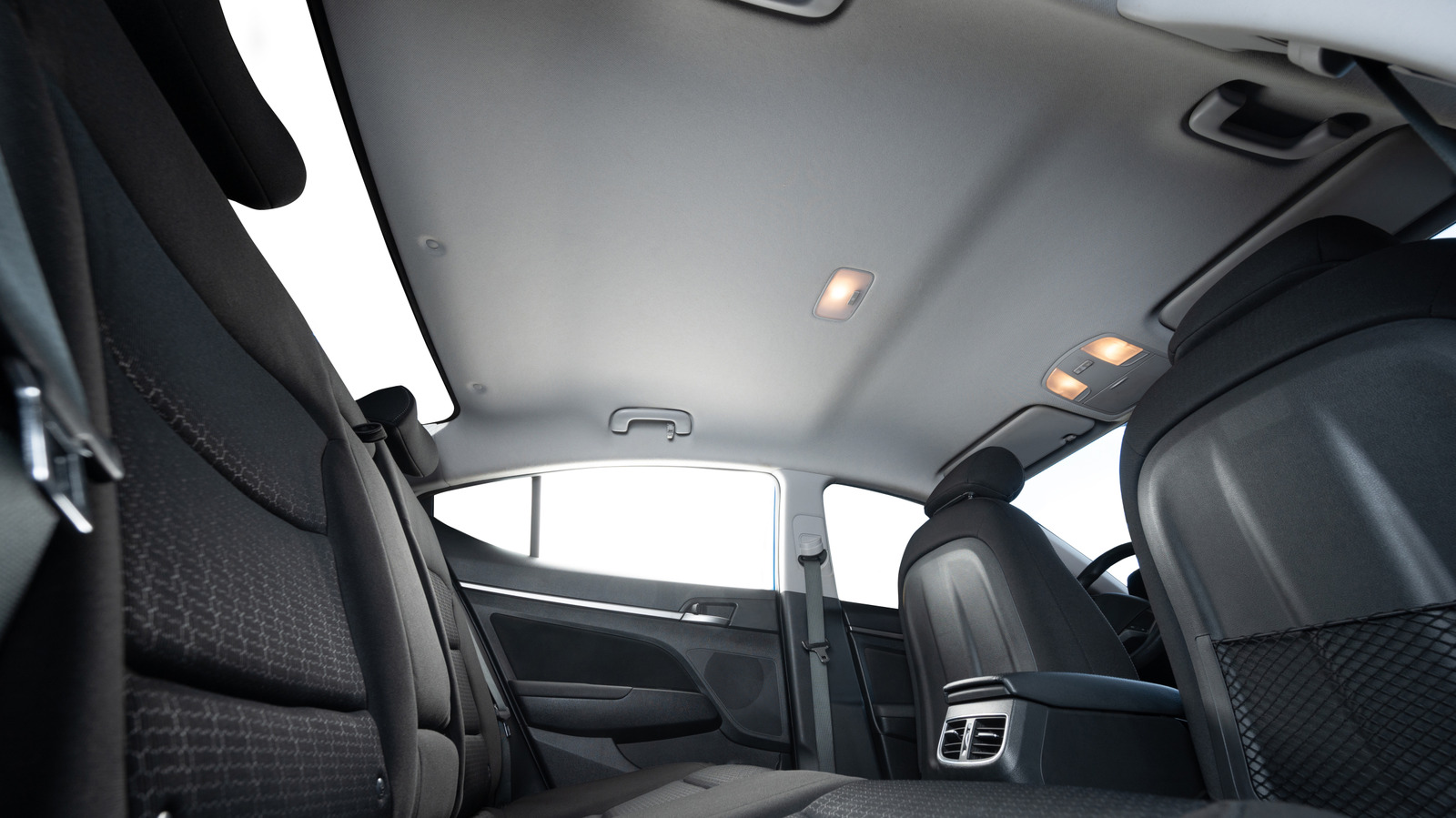
Modern car design has evolved significantly, with minimalism, ambient lighting, and sustainable materials becoming increasingly popular. While many owners focus on upgrading seats and trim pieces, the headliner—often overlooked—can dramatically enhance the overall feel of a vehicle’s interior. According to AutoZone, the best all-around material for a car’s headliner is foam-backed fabric, known for its affordability and ease of installation.
Choosing the right headliner material involves considering various factors, including budget, personal preferences, and climate conditions. This article explores the most common types of headliner materials, their advantages and disadvantages, and maintenance tips to keep them looking their best.
Common Headliner Materials: Pros and Cons
Foam-backed fabric, typically composed of a laminated layer glued to the vehicle’s roof, is lightweight and stretchable, helping to avoid wrinkles. Most factory-installed headliners utilize this material due to its durability. However, exposure to excess heat can weaken the adhesive, leading to sagging over time. Despite this potential drawback, foam-backed fabric remains a popular choice among car manufacturers.
For those in humid climates or who use their vehicles extensively, a vinyl headliner may be a more suitable option. Vinyl is exceptionally durable, easy to clean, and less likely to deform due to environmental factors. This makes it an ideal choice for convertibles and other vehicles designed for outdoor use. The trade-offs include a firmer feel, reduced sound dampening, and more challenging repairs compared to fabric or suede.
Suede and microsuede offer a luxurious texture, making them popular in high-end applications. While true suede tends to be the most expensive option, microsuede is more affordable. Both materials pose installation challenges, as they can be difficult to stretch, and their rich textures complicate cleaning.
Alternatively, polyester provides a balance of durability, affordability, and stain resistance. Being entirely synthetic, it offers a wider range of colors and textures compared to other materials. However, polyester headliners may not deliver the same premium feel as fabric or suede.
Maintaining Your Headliner
To ensure longevity, regular maintenance of your headliner is essential. Begin by vacuuming to remove loose dirt, followed by a dry cleaning using a microfiber towel. Selecting cleaning solutions specifically designed for the chosen material is crucial to avoid damage. After applying the cleaner, gently brush it into the headliner and allow it to dry before tackling more stubborn stains.
Periodic cleaning can help prevent the need for costly replacements later. Using a steamer is another effective cleaning method, but it requires careful handling to avoid potential damage. Regardless of the material, keeping your vehicle out of direct sunlight is advised, as UV rays can deteriorate the headliner over time.
Addressing leaks from windows, sunroofs, or windshields promptly is vital, as moisture accumulation can lead to mold growth. Small issues, such as partial sagging, should be resolved before they escalate. Regular vacuuming and limiting contact with the headliner, alongside the use of dehumidifiers, can also extend its lifespan. For light-colored headliners, seasonal deep cleaning is especially recommended to maintain a fresh appearance.
Ultimately, selecting the right headliner material and committing to proper care can significantly enhance your vehicle’s interior experience. With a variety of choices available, understanding the unique attributes of each material can help drivers make informed decisions that align with their specific needs and preferences.